Beverly and Jennifer Acierno Special Education Scholarship

Veterans' Day 2013 062In 2010 my sister Beverly Acierno passed away unexpectedly. She had recently retired from the Escambia County Public School District where she served as a Learning Disabilities teacher (the county’s first) and later helped develop and manage the program. For so many years we heard about her students, about her advocacy for students and their families in court, and the trips and presentations she made on behalf of the ECPSD. My family and I met many colleagues at her funeral and listened as they remembered Beverly’s passion for kids. One said, “It’s an end of an era; they just don’t make them that way anymore.”

My Niece, Jennifer Acierno Theisen, spent many of her schools days in the same school building as her mother. They were a pair. Jenny was an excellent student, eventually graduating from Washington High School. She earned a scholarship to Florida State University to study performance art, and later transferred to the University of West Florida, graduating in 1998 with a degree in Interdisciplinary Humanities.

Her mother’s passing was very difficult for Jenny. She decided to “dive” into life. Jenny married and was soon pregnant with twins–born in June of 2012. Then in July of 2013 Jenny passed away suddenly from heart problems. We were left in a state of great loss and bereavement after both mother and daughter left us so unexpectedly.

To honor them my family and I have set up a scholarship at The University of West Florida: the Beverly and Jennifer Acierno Special Education Scholarship. (Scroll down page.) This scholarship will support one or more students in the school of education who meet academic requirements. When possible it will support students studying to work with autistic children.

If you feel inclined to donate something to this scholarship my family thanks you. As little as $5 to $10 can make a huge difference in the lives of deserving students and children they will serve. Please send this link to anyone you know whose was a friend of Jenny or Beverly or who is concerned about children with disabilities, especially the many children diagnosed with autism spectrum disorder.

Thanks for helping create a little rainbow for Bev and Jenny. With your help we can build this fund as a legacy to Beverly’s work for kids with disabilities and to Jenny and Robert’s beautiful children.

The Little Things

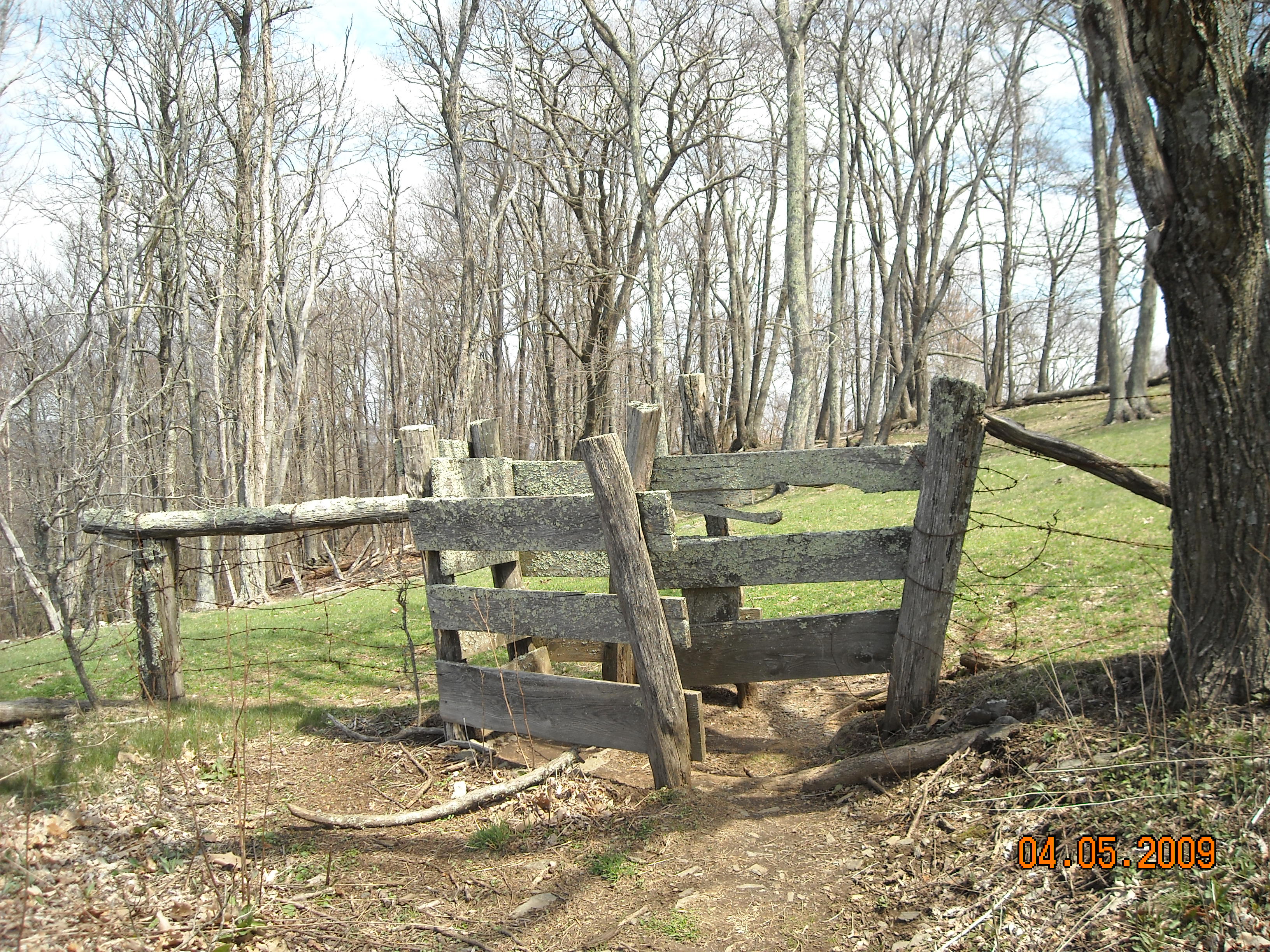
Meadow GateWhen I was a child there was a special place I sat in a mindless state. I felt the sun on my skin warming it like toast, felt the gentlest breeze play in my golden hair. Often I heard the buzz of gossamer wings as a sturdy blue dragonfly hovered above the quiet surface of “my” pond. My grandmother had created it from an upturned lid she placed under a dripping spigot. Water seeped evenly over its round edges moistening the ground where spearmint thrived. The heavenly scent was respite for a child who spent her childhood on gray military bases where metal, oil, and booming sounds crowded out life generating forces.

The pond sat below a rolling shoulder of red earth and green grasses. It was mowed neatly by my grandfather who maintained his farm with rigor and pride.  It pitched toward a view of a valley, far down to Aunt Kate’s white house and red barn. Around the edge of the valley, rolling emerald hills met a steel track that brought the howling sound of a steam engine several times a day.

Each year my parents brought us back to my grandparents small farm in Tennessee, in the foothills of the Smoky Mountains. Each year my sisters and I filled up with life forces and then flew off to places far and wide inflated by the little things that nourished us on that sacred ground.

Don’t Forget Florida’s Forgotten Coastline

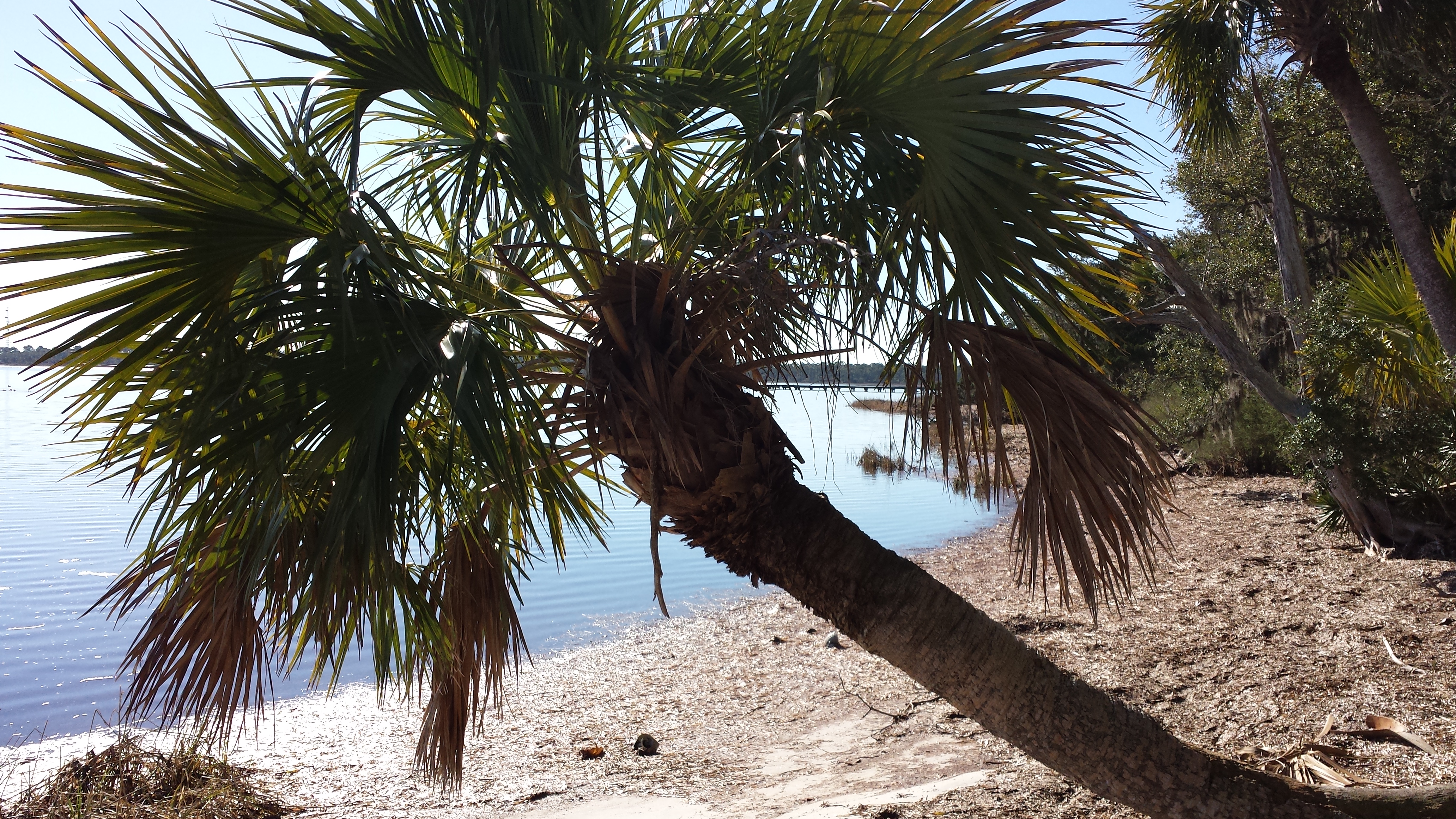
20140217_100305The Forgotten Coast of Florida near Port St. Joe, on the St. Joseph’s Bay, is one of the remaining intact ecosystems in the state and well worth a visit. This photo is near an Indian midden where you can view layer upon layer of broken shells left behind by Indian communities that shelled and fished on the productive bay.

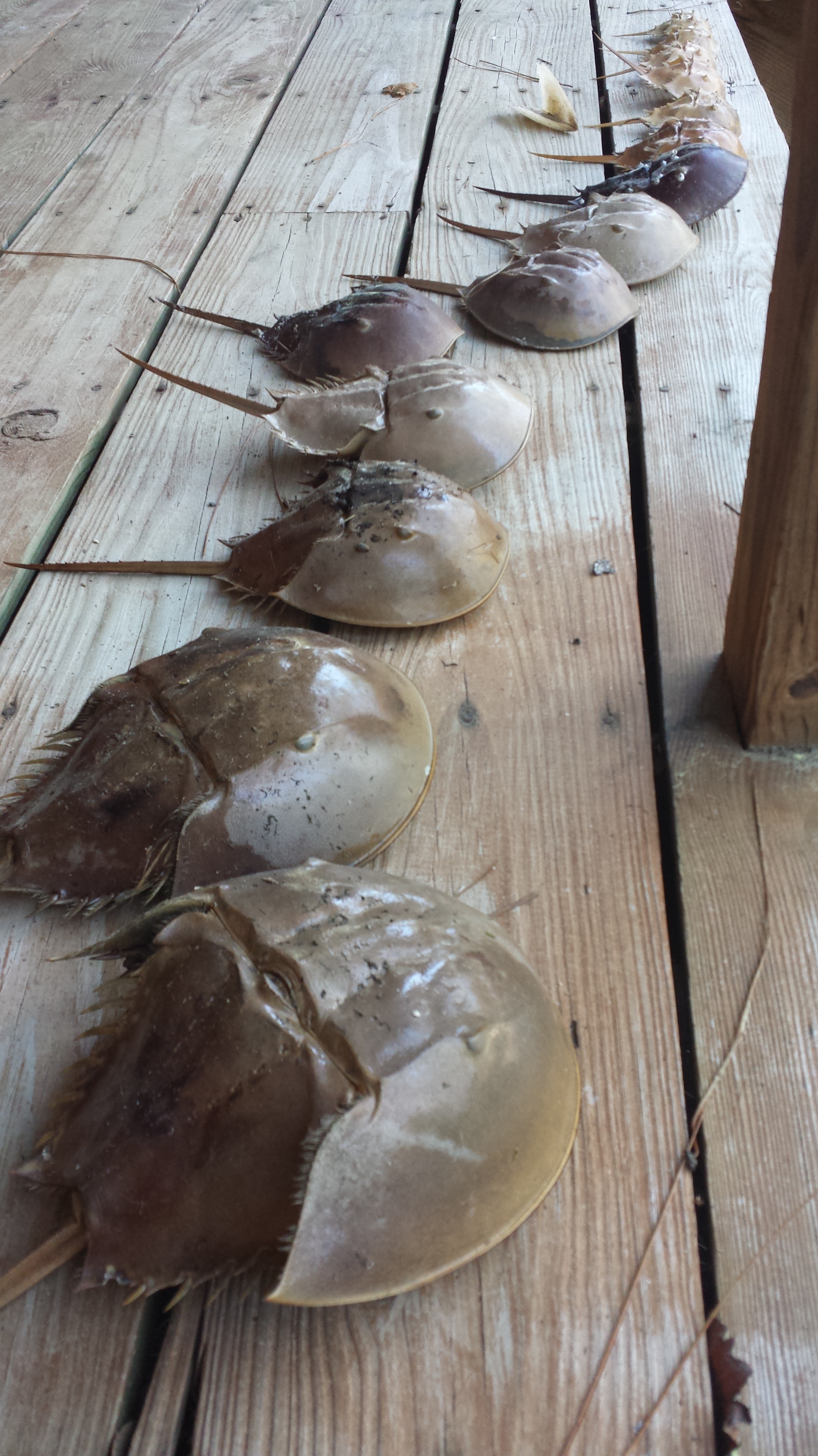
Near the Old Salt Works Cabins on highway 30E, the bay is accessible down long weathered boardwalks. Visitors walk out into the muddy recesses or shallow waters where they can see urchins, tunicates, fiddler crabs, and juvenile fish that use the area as a nursery. 20140216_095052_4_bestshotPeppered through the sea grass beds we found the casts of horseshoe crabs from molting seasons before. My friend, Barbara, is an ecologist who spent the four days of our trip collecting casts and abandoned urchin shells. She described the sea grass beds along the bay as a treasure of Florida’s natural environments because they function as a nursery for numerous species of crustaceans and fish that are important economic species for the Gulf region and primary filters of pollutants that keep the water quality high.

We met a young family from the Atlanta area who were putting together a small catamaran to sail around an enclosed area of the bay on the St. Joe’s Peninsula that arcs like a curved arm protecting the shoreline from storms. Their young sons were busy seining for fish and other sea life. My friend joined them to teach a little ecology in the best environment in the world where children can see the ecosystem at work.

IMG_7142Earlier we had visited the Gulf Specimen Marine Laboratory and Education Center founded by Jack and Anne Rudloe, two of Florida’s important writers and educators about Florida’s marine wildlife. Priceless Florida, The Living Dock, In Search of the Great Turtle Mother, and Shrimp are just several of their many books. The lab and education center are filled with touch tanks and aquarium where families can learn about many species not easily seen from shore such as loggerhead turtles, and octopuses.

20140217_115901Later we visited the St. Andrews Marina which is a working marina where you can observe a variety of fishing vessels. The one pictured here has turtle-excluder devices (TEDs) that allow fast escape of turtles when they are caught up in the netting. Before this apparatus was invented, sea turtle deaths were much more numerous.

St. Joseph’s Peninsula State Park is a wonderful place to snorkel, kayak, fish, camp, and bike. Carl, Barbara’s partner in life and biking enthusiast, enjoyed the 27-mile round trip on a newly completed bike path from the Old Salt Works Cabins to the entrance of the wildlife refuge. The refuge on the last seven miles of the peninsula is a terrific walk where you can observe thirty foot dunes – how much of Florida’s coastline once looked before massive storms and human activities have diminished their size and capacity to shelter the coastline.

Autobiography of Values: Charles Lindbergh

charles-lindbergh-t12762This Christmas my son, Tom, gave me Winston Groom’s terrific new book, The Aviators. Groom paints a detailed portrait of Eddie Rickenbacker, Jimmy Doolittle, and Charles Lindbergh.

Each was an extraordinary person. Besides their enormous personal courage , they displayed a generosity of spirit in their willingness to improve aviation, make better airplanes and instruments, test pilot experimental designs, and play key roles in aviation and space after the war – all for love of country.

Groom writes with the easy rhythm of a old storyteller about the historical events of the 20th century’s technological transformation, and studies the influences in the development of boy to man, and the personal struggles and triumphs of each  of these iconic American heroes.

In exploring the inner lives of his subjects the author exhibits a good dose of fairness. This was never more true than how he handled the complex life of Charles Lindbergh.

Lindbergh, like Rickenbaker and Doolittle, began with the belief that aviation would change the world for the better. But as Lindberg’s life unfolded he experienced a series of blows that caused him to change his values nearly 180 degrees from where he started.

The first blow came not from his young son’s kidnapping and death (though personally traumatic), but from the American public’s relentless thirst for tabloid sensationalism. Haunted day and night, even suspected of murdering his own son, Charles and his wife Anne Morrow Lindbergh, fled America to Europe for personal peace.

Groom then follows a complex series of invitations to the Lindberghs by heads of state – including Nazi leaders like Goering who asked him to fly various new planes Germany was turning out by the thousands.

Due to a series of events including a medal from Hitler in honor of his courage and accomplishments, Americans and especially FDR accused him of being a traitor to his own country – which only served to drive the Lindberghs into further isolation from the press.

Lindbergh opposed America’s participation in WWII because he observed first hand the superior technological capabilities of Germany in aviation. He believed America would suffer great losses. This opposition led to Lindbergh plummeting from national hero to villain in the minds of many Americans.

But Lindbergh joined in helping America after Pearl Harbor, even though the President would not let him reenlist (Lindbergh gave up his commission when he fled to Europe). Lindbergh worked for aircraft companies in the states and engineered improvements in aircraft that saved thousands of aviators’ lives and increased the capabilities of the US military.

After the war he was invited to reenlist, and during a top secret mission for the U.S. military, Lindbergh observed the terrible destruction of Europe. of the land, and was among the first eye witnesses to Nazi death camps. These experiences shook him to his core.

While reading Grooms’ magnificent book, I learned that Lindbergh asked the publisher William Jovanovich (a friend and publisher at Harcourt, Brace, and Janvanovich) to edit and publish essays and journal notes from across his life in a book after his death. Lindbergh had just learned he was dying from lymphoma.

The book chronicles the evolution of his ideas about technology and the environment. Lindbergh had become an advocate for wild lands and wildlife. The book that was published is Autobiography of Values. Lindbergh had spent years traveling the world learning cultural values from indigenous tribes.

He noted that in each culture the relationship with the land and with wildlife was very different than in the so-called civilized nations. He concluded that man’s pursuit of science must be guided by other, deeper values – values that relate to our responsibility to the land, wildlife, and each other. He described his journey as one of finding true values. (Read a perceptive book review in the New York Times from 1978.)

Visit the Lindbergh Foundation to see how Reeve Lindbergh – Charles and Anne’s youngest daughter – with notables like Neil Armstrong – has carried the traditions of her parents into the 21st century by establishing awards and collaborations supporting, among many exciting initiatives, development of an electric plane. The intent is to fly a plane from NY to Paris but with no gas! Explore the website to learn about many visionaries carrying the flame of innovation but with a new, informed set of values.

Thanks, Tommy. This gift given to honor your grandfather (a WWII bomber pilot) will always hold an important place in my heart. Its also a great read that I know I will return to again and again.
Carl Sandburg, Come Back!

When I was 18-21 I studied American Literature and Poetry at East Tennessee State University. Poems like Chicago, The People, Yes and others still reverberate in my memory for their raw American soulfulness.

PBS has aired a wonderful, insightful biography about his life and work and how each reflected American history. He created out of the clay of the common people and the earthiness of American landscapes poetry that has more dimensions than any I have encountered since.

Sandburg’s people and places show how we came to be who we are, how we shape the land, and it shapes us; how we love, work and struggle. Here is a site with many of his works in audio.

Turn off the Tube. Enjoy a Sandburg feast! It will do your soul good. I did mine.

Ann Patchett – This is the Story of a Happy Marriage

For those of you who are Ann Patchett fans, I highly recommend her new book of published essays: The Story of a Happy Marriage. First, for writers she gives invaluable advice by showing readers her own path and the teachers along the way. The essays themselves are small masterworks from which writers can learn much about voice and economy of word. Some are just plain fun (Winnebago) and others heart warming (Rose, a love story about Ann and her dog).

The Ann Patchett universe – the writer and her works – is new to me although I have read State of Wonder and The Patron Saint of Liars. Perhaps the way to know her best is to read This is the Story of a Happy Marriage because it describes many important times and relationships in her life as a person, friend and writer. The second way to know Ann is to visit Parnassus Books in Nashville. The quality of books, the gestalt of the place with all its fans, friends, staff, and occasionally Ann, speaks volumes about what is important to Ann.

Last summer I spent my birthday in Parnassus, loading up on Patchett books and other authors. IMG_1257The store is in a shopping district so be sure to take your GPS or cell phone to find it. Afterward I went downtown town to the Vanderbilt neighborhood and found a lovely restaurant, and later found a gelato shop where I enjoyed a double scoop of Pistachio to celebrate my 68th year on this fine planet. Writers like Ann Patchett make your Earth Walk a soulful journey. Try her new book of essays!

P.S. I highly recommend the audio book read by the author. Well done.

Is Climate Change Causing the Weather Snafu?

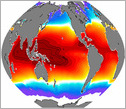
Thetemperature-moyenne-annuelle-de-surface-de-l-ocean-global1_r National Science Foundation announced a current research initiative to study the West Pacific ocean’s “chimney.”  This article describes how heating in the  ocean interplays with atmosphere to cause havoc in weather and climate. Its known as the global chimney:


Next week, scientists will head to the region to better understand its influence on the atmosphere–including how that influence may change in coming decades if storms over the Pacific become more powerful with rising global temperatures.

Read article here.

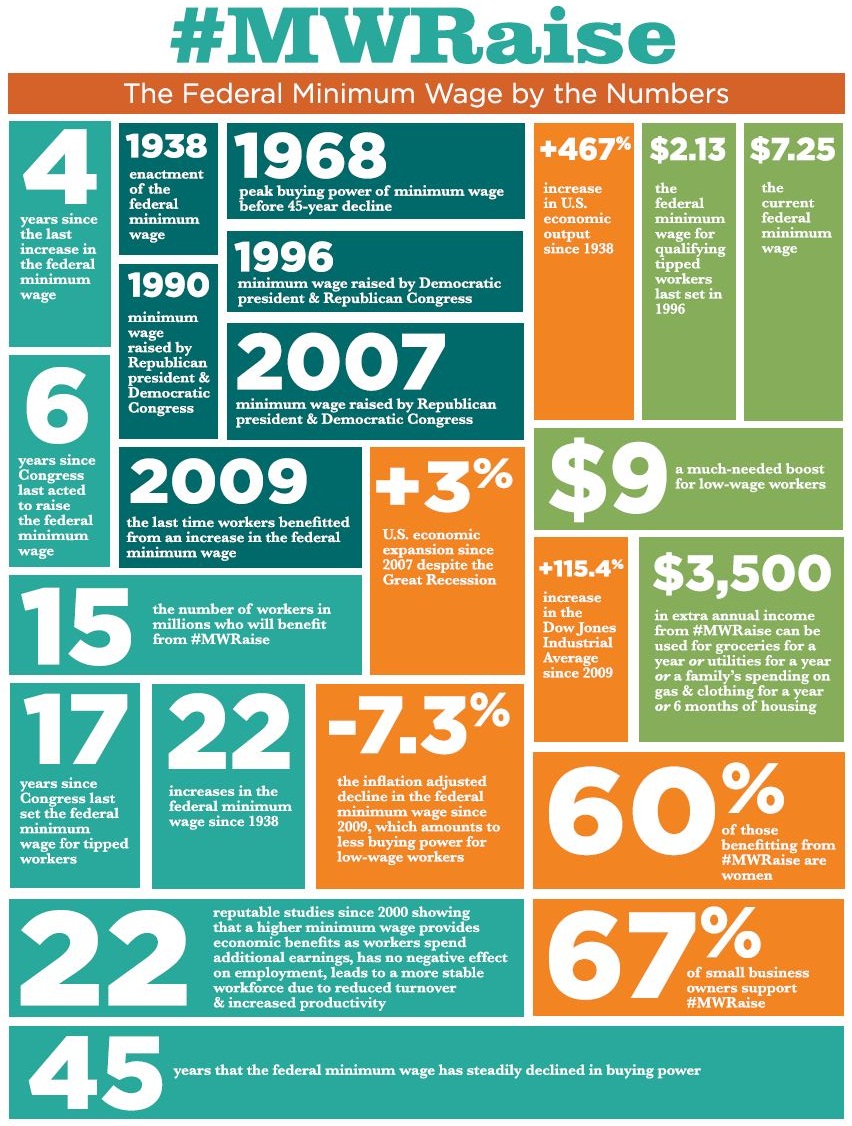
Stop Digging a Hole: Reaffirm Long-Term Unemployment Benefits!

The Department of Labor Secretary addressed the importance to extending long term unemployment benefits at this point in the recovery of the national economy. Read below:

What’s New

Reaffirming the Importance of Long-Term Unemployment Benefits

In a Dec. 24 interview with the Baltimore Sun, and on a conference call three days later with two-dozen reporters from across the country, Secretary of Labor Thomas E. Perez said “it would be literally unprecedented” if Congress fails to renew the Emergency Unemployment Compensation program that provides benefits to long-term jobless Americans. Perez said that Congress approved the program with broad bipartisan support in 2008, when the U.S. unemployment rate was 5.6 percent. The current unemployment rate is 7 percent. He added, “The hole that this Administration inherited in the Great Recession was a deep one. And when you’re in a hole, you stop digging. We must maintain these emergency benefits in order to continue climbing our way back to a fully healthy economy.” Perez also noted that when Congress reconvenes on Jan. 6, Senate Majority Leader Harry Reid will bring up legislation to extend unemployment insurance and move it toward a vote. “Congress can do the right thing in the new year and renew this program,” said Perez. “It will help people who want to be employed. It will help families keep going. It will help create economic growth for the nation.”

Read the Interview
Listen to the Press Conference Call
Read the Blog Post

To subscribe to the official blog of the U.S. Department of Labor Click Here.