Hope and Memory

This morning I recalled William Butler Yeats‘ tribute to Art.

Hope and Memory have one daughter and her name is Art, and she has built her dwelling far from the desperate field where men hang out their garments upon forked boughs to be banners of battle.  O beloved daughter of Hope and Memory, be with me for a little.

~Williams Butler Yeats, The Celtic Twilight

This week Emergence Magazine published a new essay and sound experience by David G. Haskell. This is an artful reminder of the extraordinary Earth song as it developed over the history of the Earth. Emergence Magazine frequently invites Art to remind us of our deepest roots and the community of life in which we are but one sound maker.

When the Earth Started to Sing:

https://emergencemagazine.org/audio-story/when-the-earth-started-to-sing/

Painting by Heather Williams Hufton

Right will win, wrong will lose …

Whenever the cry for freedom rises in the world, we are called to consider just how much our own freedom means to us – whether a similar collective action such as we witness in Ukraine might happen here in America.

We are witness to free states coming together, at great sacrifice to some, to crush an outright seizure of a sovereign people and country.

Collectively, the western democratic societies and alliances have answered the wrong doings of Vladimir Putin with crippling sanctions on the Russian economy. The Russian people will suffer the brunt of Putin’s actions.

A wave of Ukrainians have spanned away from the war zone but are welcomed by allied countries in another outpouring of solidarity among nations and people who uphold the principles of democratic societies.

The period unfolding before us I name, “A Pulse Toward Right Over Wrong.”

The bravery of the Ukrainian people reflects the actions required of citizens to keep a democratic society. It reflects back on the soft stance of a previous president toward Putin and the autocratic elements of the current republican party that seeks to squelch the voice of democratically motivated leaders.

A common misunderstanding about peace agreements is that they finalize a new state of relationships. Experts studying peace agreements show the in fact it is AFTER a peace agreement that an average of 50+ smaller agreements take place in order to maintain the agreement. See the Peace Agreement Database.

Dr. Christine Bell at Edinburgh University leads the study of international peace agreements. Born and raised in Belfast, Dr. Bell has studied the difficult, prolonged process necessary to achieve final elements of peace that can last. Once this level of peace is achieved vigilance is required to maintain it. Trust is fundamental to making peace.

Dr. Bell explains how Brexit potentially threatens the Belfast Agreement between the Republic of Ireland and Northern Ireland. Listen to an excellent discussion about peace agreements on Corrymeela Podcast.

This example shows that peace is not a static process. The peace agreements we make, such as those at the end of WWII, are dynamic. The invasion of Ukraine is a demonstration of that principle also.

The continuous process of peace-making, dependent on trust between peace makers and peoples – is what we are all involved in across the world. This process is incremental, as Dr. Bell points out.

Will Americans stick to this principle and be willing to negotiate across our differences, to take the hard and small steps together to maintain our democracy? I don’t know but Ukrainians are showing us they are willing to give their lives to live in a democratic nation. Can we discern that we are on the edge of possibly losing our democratic way of life?

Perhaps we need to convene a peace conference among democrats and republicans to renegotiate how we want to govern our society.

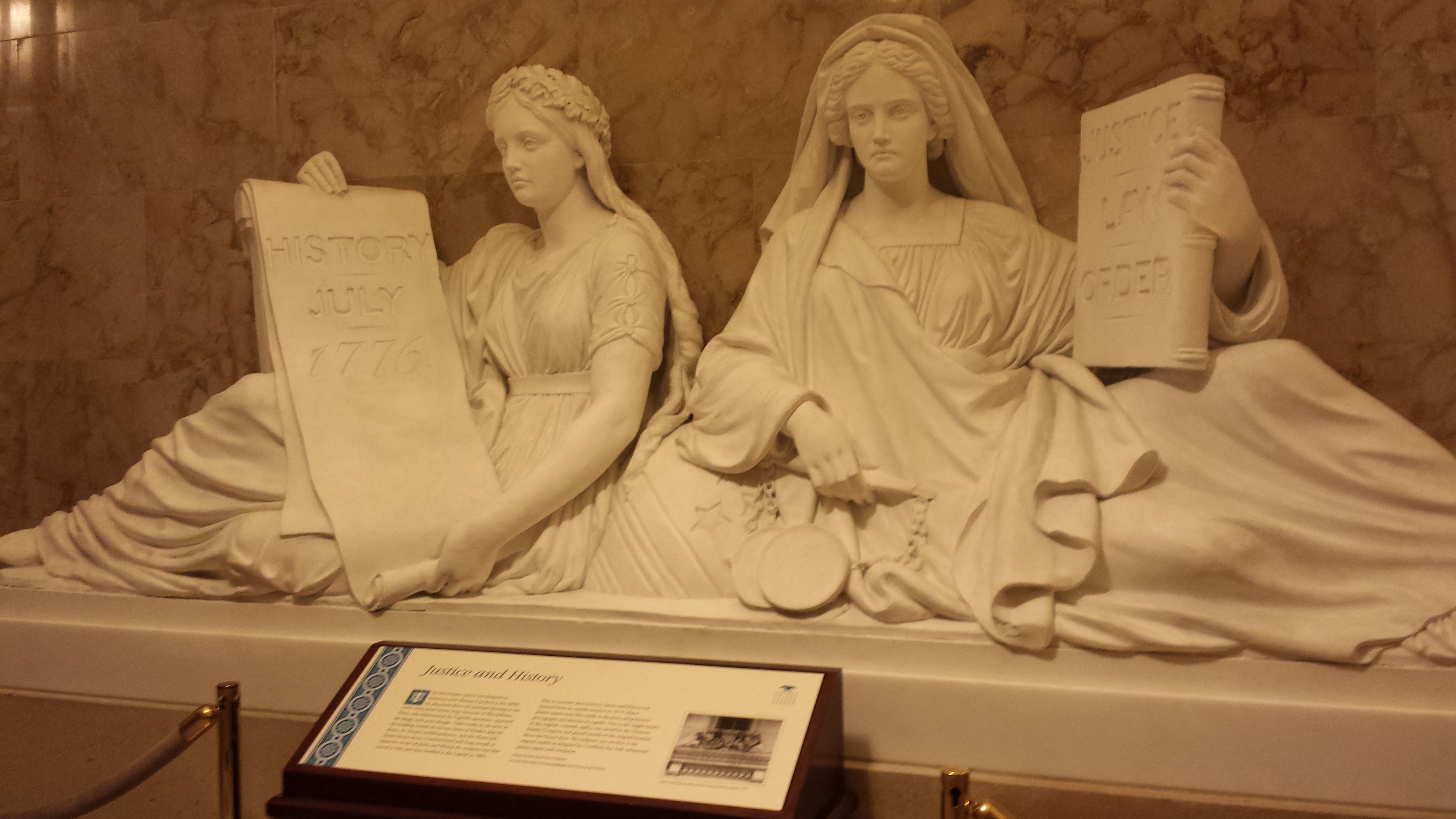
History and Justice, Photograph by Susan Feathers

In all the hidden spaces

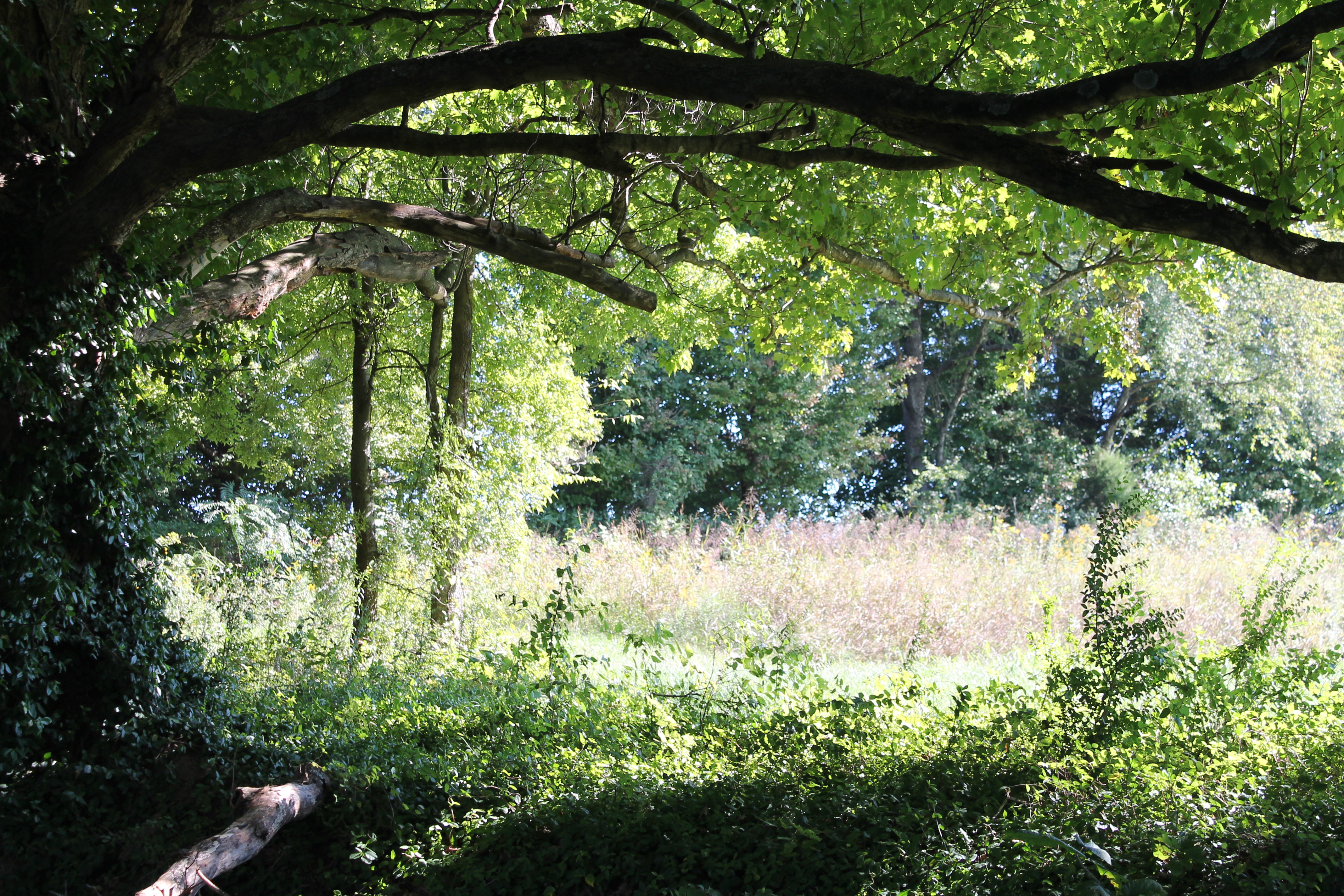
Sugar Maple and Grove, Bowling Green, Kentucky 2021 Photo by Susan Feathers

The beauty of the land near my apartment complex, tucked among sprawling medical buildings and a new bank, can still be found if you look with an eye for the lone tree and all it nourishes. The sugar maple above is a mother tree, probably in the dying phase of life, but none the less still harboring many forms of life in its canopy and beneath its graceful limbs.

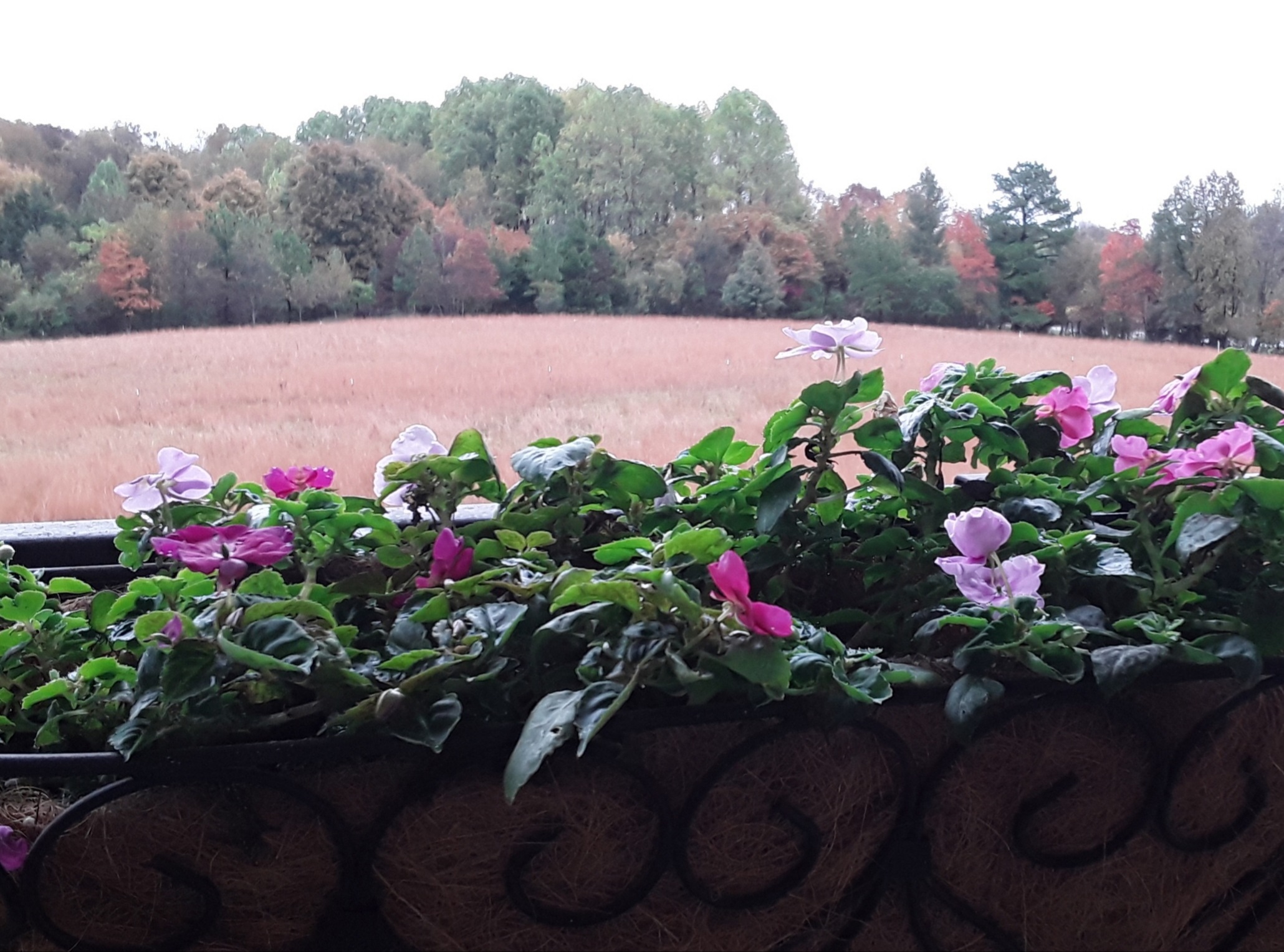
Dream Meadows Farm, Lover’s Lane, Bowling Green, Kentucky photo by Susan Feathers

One side of my apartment looks out onto Dream Meadows Farm, a 17-acre remnant of once large farms along what is known as Lover’s Lane, or 880. Steadily, development has destroyed the farmland and wild areas to make way for rapid growth. The cooling provided by mature trees, deep grass roots that percolate heavy rain and prevent flooding, and deposits of fertilizer by cattle and sheep are all illustrative on this small farm — the last working farm on the lane. It inspired the draft of a new novel which I am finishing now. It tells the story of a young woman, Belle, who dreams of becoming a regenerative farmer. She learns how to replant native trees in field rows and create orchards. Only 19, her roots on the family farm reach back centuries. She has the long view.

Mature Sugar Maple near I-65, behind Social Services, in Mt. Victor Development, Photo by Susan Feathers: “A Mighty Fortress”

Go out and you will see the beauty of nature between buildings, in back lots, rising under sidewalks and streets, and animal life following these islands of life–navigators in a perilous time.

What have we forgotten? The Dream of the Earth. Reawakening this dream in you is a step toward sustaining life for all.

The Crystal Beads, Lalka’s Journey

A book of rare beauty, perfect for our time.

Susan Feathers's avatarSusan Feathers

A mother and child in 1939 Poland are talking. This is the way into a new children’s book—The Crystal Beads, Lalka’s Journey written by Pat Black-Gould and illustrated by Katya Royz.

The time and place alert adults immediately to the context but for children they are gently led into the experience. A mother has found a way to gently guide her seven-year-old daughter on a safe path while terror stalks right outside their door. She guides her daughter to make a trade: crystal beads for the Star of David. Why?

The author guides readers along with the illustrations giving the narrative texture. Tension builds as the story unfolds, with a terrifying encounter with Nazi interrogators. We do not know what might happen. We think the worst. The horrible men leave, and we breathe again. Lalka asks a question of the Mother Superior. It is not just any question:…

View original post 135 more words

War and Peace: A Book for Now

Coincidence is something I no longer question.

Just a few days ago I was searching for a video with a story that persists from generation to generation for its universal truths. I had just reviewed a children’s book for a fellow writer in which I compared it to a children’s book written by Leo Tolstoy for school children (The Bear). It got me thinking about a time in my life when Tolstoy’s War and Peace led me to read many of his stories, essays and children’s books.

War and Peace, I like the 1956 film version, is a story anchored in the Napoleonic war in Russia. I watched it again this weekend on Amazon Prime. It was gorgeous, expansive, and thrilling even after all these years. I “heard” Tolstoy’s voice, powerful and clear, as he shows the truth about war, love and the meaning of life through his wonderful yet flawed characters.

The shadow of nationalism passed over Europe and Russia; war looms as once shared values diverge. Dialogue fails. Conflict looms. Tolstoy describes the battles outside and inside each character along the arc of their personal discoveries.

Coincidentally, I scanned C-Span Books today for an interesting book review. The first book presented was a 2014 review with Andrew Kaufman’s book Give War and Peace a Chance: Tolstoyan Wisdom for Troubled Times. It took place at the Politics and Prose bookstore in D.C. Dr. Kaufman delivers an engaging rationale for why Tolstoy’s classic story is perfect for our time.

Biden and Climate Progress

Join the discussion on Biden’s progress on Climate Change at Living on Earth podcast.

Read a new fiction book which many consider non-fiction for the exact fit to this moment in human history and the state of the planet’s function. Kim Stanley Robinson’s book review on this site may be of interest as well.

Dream Meadows Farm – Susan Feathers Photography

Capitalism and Climate

For decades I have traced the connection between capitalist organization of society and denial of the living universe as possessing rights equal to a small segment of human society that dominates the Earth and us.

Giving voice to “inanimate” beings such as mountains, rivers, forests, and the non-human life that keeps us alive and healthy is the work of storytellers: artists such as writers, poets, musicians, and the myriad creative visionaries among us. Add birds and every living creature that vocalizes or lays a chemical language on leaves and on trails on any part of the creation.

As humans we must tell the truth of the moment: a destructive way of thinking and operating a society has caused climate change. Extractive technologies are a good example of how a way of thinking about the living Earth as inanimate, a “resource,” allows and even promotes the destruction of the living pith that keep us alive. It is hacking away at the very ground on which our lives depend.

I can think of no other magazine and group of visionaries than Emergence Magazine that is bringing essential truths and astute visionaries to these discussions. Here listen to an interview with Amitav Ghosh, scholar and writer which explores the ways in which capitalism creates an ecological crisis. For people living in countries dependent upon capitalist economies, i.e. the developed world, this is a clear, fresh voice for the unseen and unheard. He discusses his new book: The Nutmeg’s Curse: Parables for a Planet in Crisis.

Listen to an interview with Amitav Ghosh at Emergence Magazine.

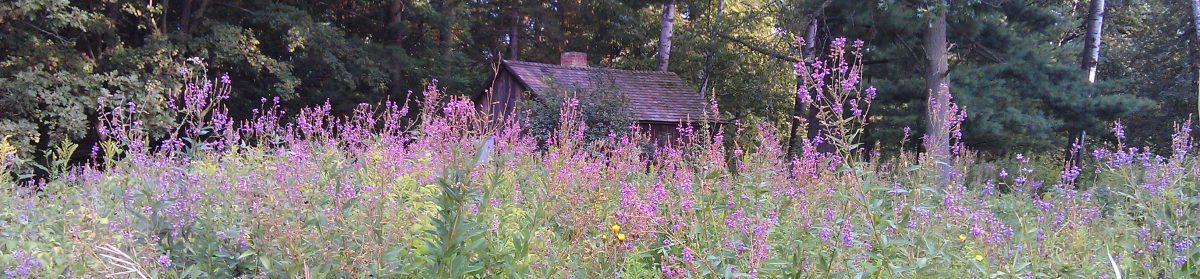
Leopold Cabin at the Aldo Leopold Foundation: Photo by Susan Feathers

The Alive-ness of Everything

David Abrams describes his journey to understanding that everything is alive, and remembering this is a fundamental step toward addressing climate change. Listen on Emergence Magazine Podcast. Abrams sees our times as imbued with great possibility for fundamental change in how we live by recognizing how everything we perceive, everyone and everything – the “others” – are part of us.

Mountain Spirit – Blue Ridge Mountains Photo by Susan Feathers

Support Youth Climate Movements

UPDATE January 20, 2021: The Interfaith Power and Light movement has developed a climate action week educational kit that you can use to support youth climate actions that are challenging our culture through legal means. Click here to learn more.

Young people acting for a safe climate and their futures are growing. Our Children’s Trust is an example. This youth movement utilizes the law to seek justice for a right to a safe climate. Youth Climate Finance Alliance approaches climate injustice by focusing on the rapid devolution of the fossil fuel industry to achieve climate decarbonization.

The Sunrise Movement takes a direct approach by helping elect “green” candidates working for faster adaptation and mitigation of climate change. They provide political action structures such as phone calling banks, and regular demonstrations on issues that takes place at legislators offices to draw attention to elected officials who are accepting support from the fossil fuel industry.

SustainUS is a youth coalition that works across borders to unite youth to transform the colonialist policies (especially extractive industries) that continue to exacerbate postive action on climate and human rights. Here is a quote from the website that illustrates the razor-sharp understanding of the social and political roots of the climate crisis:

The pandemic is an extreme symptom of the climate crisis. Our collective response must also address the inequities at the root of the climate crisis, which include our health as a sacrifice zone. Just solutions to the pandemic go hand in hand with just climate solutions. Now, it is abundantly clear that the coronavirus has decimated communities across the globe, unearthing the complex and harsh circumstances of the most marginalized. The same migrant farmworkers, Indigenous communities, and low-income people without access to the internet or the privilege to stay at home are impacted first and worst by the climate crisis. Even worse, we know that the damage we continue to make on this planet will pave the way for worse pandemics to happen down the line.

https://sustainus.org/covid-19-statement/