
A Land Ethic®. expands the definition of “community” to include not only humans, but all of the other parts of the Earth, as well: soils, waters, plants, and animals – “the land”. In a Land Ethic®, the relationships between people and land are intertwined; care for people cannot be separated from care for the land. Thus, a Land Ethic® is a moral code of conduct that stems from these interconnected caring relationships. from The Land Ethic by Aldo Leopold.
Reports of failed grain crops and rising costs are more common in this time of climate change. Further, war has destabilized transport of grain for export by as much as half as seen in Ukraine’s struggle to transport wheat to worldwide markets due to destruction of ports and ships.
Virginia Governor Declares Emergency to Help Farmers.
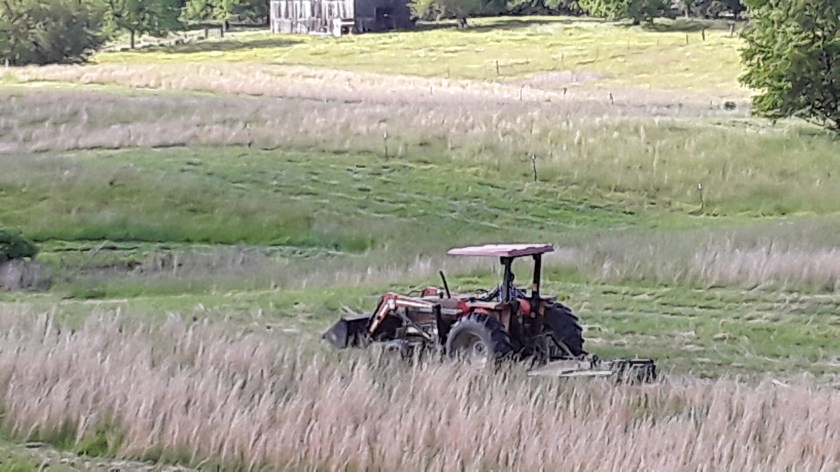
The Virginia Mercury published an article on 9/16/2006 about Governor Spanberger declaring a state of emergency as drought has reduced the ability of farmers to access enough hay for their cattle.
Although drought conditions have improved in some parts of the state since earlier this year, some regions have experienced losses of up to 70% losses in hay yields. Southern Virginia along the North Carolina border remains under emergency drought conditions, according to the Department of Environmental Quality. ~ Shannon Heckt, VA Mercury reporter.
US Wheat Farmers Struggle in Drought
The Guardian recently published an article about the rising costs for wheat farmers in the U.S. and the worldwide challenges to provide sufficient grains of all kinds to meet the nutritional needs of the global community. See the link below to a comprehensive view into a growing food security problem.
https://www.theguardian.com/business/2026/sep/18/wheat-farmers-drought-geopolitics?CMP=share_btn_url
The article cites rising cost of diesel fuel and fertilizer as two factors that diminish farmers profits from sale of wheat. Farmers may reduce the amount of wheat they plant at a time when the world need for grain production has never been higher. U.S. farmers raise more soy and corn on average because profit is higher. But after the recent tariffs of the Trump administration, the largest purchaser of U.S. soy – China – found other market sources for soy.
The Guardian article also describes the interference of exports of grain from Ukraine after a recent attack on key ports, forecasted to reduce the amount of grain available for markets by as much as half. Further, the UN Food and Agriculture Organization reported the food price index showed a 2.5% increase. The impacts of drought and political conflicts, the Guardian article reports will have far greater impacts worldwide. The need for all grains worldwide will continue to grow.
The values that Also Leopold described in his now widely read essay, The Land Ethic, resonate loudly as all countries and leaders must determine how to feed the world adequately under new and worsening climate and market conditions. What values will underlie our decisions? Leopold provides a roadmap.
 Susan Feathers