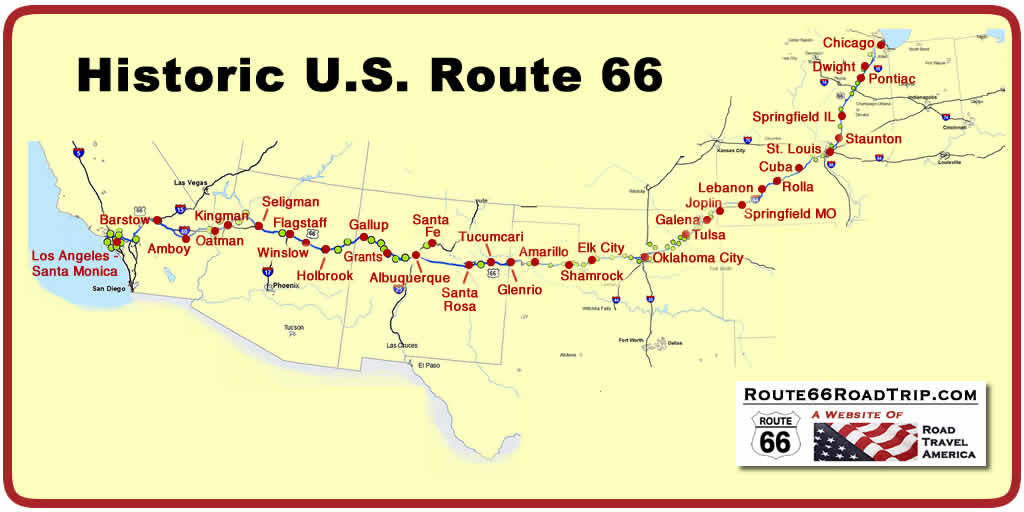
I grew up on Route 66.
For all practical purposes I was a gypsy girl traveling with my clan: parents, sisters, dogs and cats. Daughter of a career military officer in the United States Air Force, my gyroscope was set to travel over hill and dale. Before I graduated from high school, I had moved 21 times.
What kind of person can live in motion, on the road, always knowing each place is just for now, not knowing where the road turns until my Dad walks into the kitchen one night and announces, “Take down the wallpaper! We’ve got orders!”
Breathless, petrified, happy and sad, my sisters and I rush to the bookcase for the maps. Plattsburgh? Near the Canadian border, wow! Lake Placid and the Olympic village, skiing and skating! Subzero winters…far from Kansas…and my newfound friends…hmmm.
You either go with it or you resist fiercely. I went with it transforming like a chameleon, blending in wherever I went. Try-on the cultural mores, see how they fit!
Somewhere on those dark winding roads, with my arms propped up on the dashboard while all the clan snored, hacked, and wheezed through the cool night, listening to my father drone about his boyhood in rural Tennessee – a theater of stars, hum of the tires on the asphalt, dad’s baritone voice and gift for storytelling, I fell in love with America.
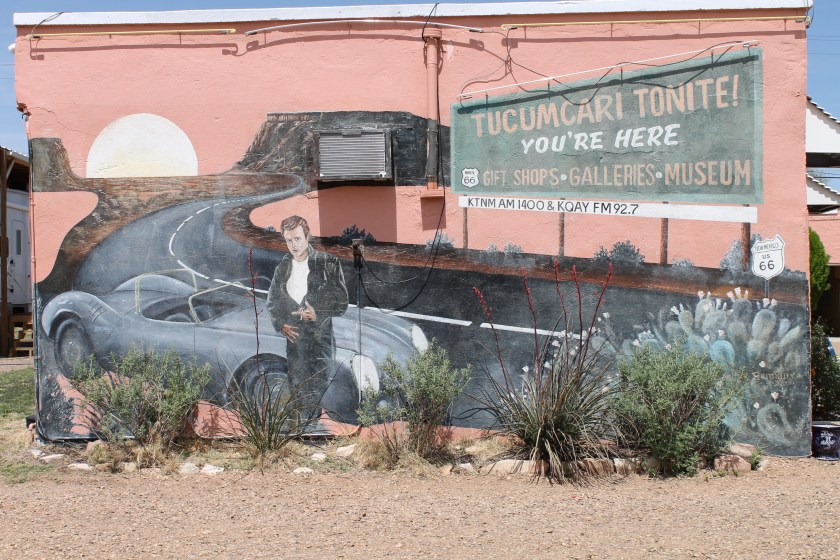
This big land over which we continued to crisscross became my homeland. It included everybody – Southerners, Yankees, Midwesterners, Californians, Hawaiians, Native Americans, Emigrees, sophisticated New Yorkers, hillbillies and coalminers, and many religions, sects, and points of view. Places on Rt. 66 became points of navigation on my life’s map.
In my first 18 years on Earth I came to know the people we call Americans. And they all influenced me in some way, truly the melting pot. Yet it left me in search of myself. I was a gypsy girl who knew a lot about other people and little about myself. How did I feel, what was my way, my rhythm? I hardly knew. So, I began to search for “me.” That, in part, is what this story is about. It required that I sort out what I cared deeply about and to do so in an ever-changing landscape.
Here then is one citizen’s story cast in the larger American odyssey – offered to the reader as a unique reflection of the great diversity and sometimes hilarious incongruities of American life.
I did not always appreciate the great gift of being an American. As much as people say they hate us, still people flood our shores. Yes, it’s to get a better paying job, no doubt, or to expand into the open space of freedom to pursue happiness. But for me it is about the landscape. This is Turtle Island of the First Americans, imbued with spirit and liberty. Even with the huge impacts of our consumer driven society, it is still a country that takes your breath away.
Come with me on a sweeping journey from coast to coast, a journey that took me into unseen realities behind the foreground of contemporary life. There, I found the America that drew me to her breast as a child. It was in a dusty western town in an American desert that I learned the true nature of Liberty when I reached back in history to the arrival of the first Europeans on the North American continent.
To be continued ….

 Susan Feathers