Continued…meeting Earth and Sky

And then I had an experience lifted out of time and space in a rundown, dusty thrift shop in Winterhaven, Arizona when Sundance suddenly asked to visit it.

There among stacks of old books and magazines, a cacophony of throw away objects from locals, Sundance found several volumes of the Stockholder’s Board of the Hudson’s Bay Company founded in 1670 primarily for the fur trading business and colonization of North America by the British.

Gabe Sharp served nearby at the Quechan Indian Reservation as a social worker fulfilling his dream of helping his people – the Colorado River Indian Tribes – to return to health and wellbeing someday.  In the little dusty town of Winterhaven, in a disheveled second-hand store, we touched back in time through historical records that graphically outlined plots to seize native lands, and the purposeful use of alcohol to facilitate the process.

At times like those I often felt as if I entered another reality where my teacher and I traveled time channels to the past.  There we sat together, carefully reading these documents out loud, and making runs to a local library or consulting texts from her wonderful library, to learn more about the history of colonization in North America.  There it was in black and white and without any reservation – the blatant conniving of grown men who recorded their reservations, knowing it was wrong to outright seize land from people who had done nothing other than welcome them to their country. 

European culture would introduce a world view so different and with grave consequences on the natural world and a way of life that would later inspire our fledgling republic. The shaking of the Earth is still felt. Today in Canada, native people continue to resist the forces of progress and its underlying economic values.

We were shocked by the recorded discussions between original board members who felt some tinge of guilt about seizing ownership in the name of the King.  In fact, they feared he would not go along with it, so they planned a scheme to get Prince Rupert to make the declarations.  We laughed to read the names of these men including one Richard Nixon.  Though both of us, my teacher and I, knew about the facts of this early colonial period in what is now Canada and northern New York State, we were incredulous to read the actual discussions and plans by a small group of men who would crush nations to get at trees and animal fur. Another evil evident in these meeting notes was the discussion about use of alcohol to manipulate tribal leaders.

The Doctrine of Discovery and the policy of Manifest Destiny derive from these forays by powerful nations to justify taking other nation’s freedom and resources. This has been justified based on power and dominance, and a profound misunderstanding about human’s relationship to Nature. The stockholders utilized religion and power as their rational for violating the natural rights of nations and the Earth Herself.

These then were the ways in which over the four years of study I lived near my teachers so we could do research together. I spent days out and about in the Yuma area with my teachers when I could observe how white culture treated them and explore my own assumptions and automatic thinking about culture and race.

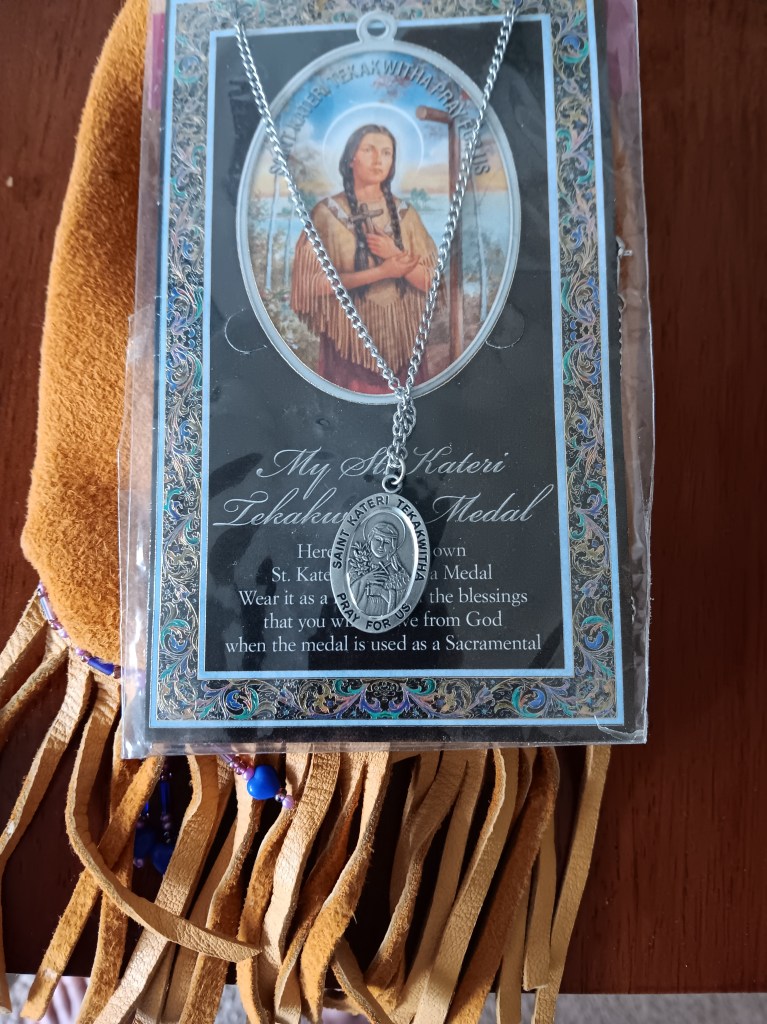
While studying with Sundance, she introduced me to her Catholic faith through the life of Blessed Kateri who subsequently became Saint Kateri Tekakwitha. Kateri was known as the Lily of the Mohawks. I learned to pray the Rosary and made an altar in my bedroom. When I joined the Kateri Society based in Fonda, N.Y. they sent me several Kateri objects such as a necklace, a history and prayer card. I added these to my altar along with a small statue of her. She is beloved among Catholics and native peoples. This may seem like a profound contradiction, but you’ll understand why when I post the next insights I made about the fluidity of Spirit.

To be continued …

Resources:

National Constitution Center

Hudson’s Bay Company

Mohawk History

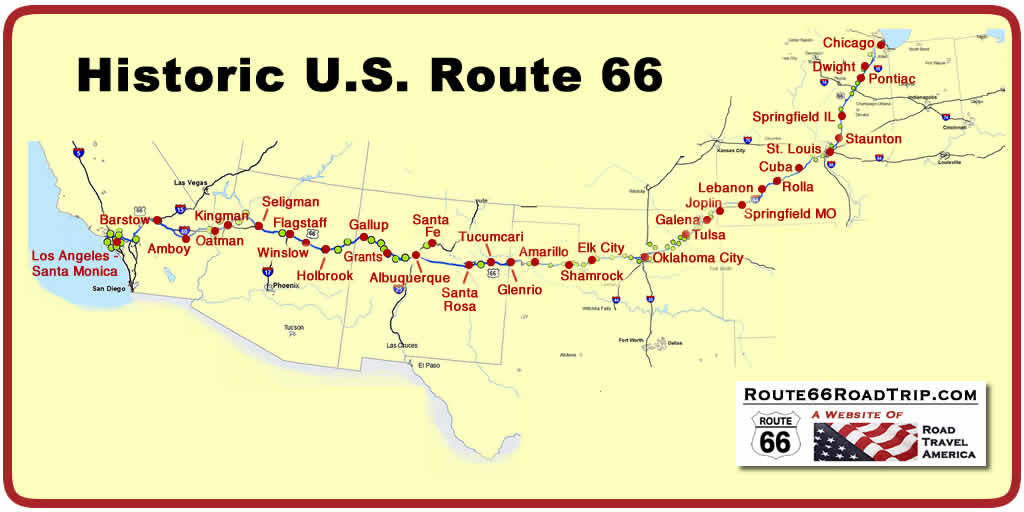
Route 66: America’s Highway

I grew up on Route 66.

For all practical purposes I was a gypsy girl traveling with my clan: parents, sisters, dogs and cats. Daughter of a career military officer in the United States Air Force, my gyroscope was set to travel over hill and dale. Before I graduated from high school, I had moved 21 times.

What kind of person can live in motion, on the road, always knowing each place is just for now, not knowing where the road turns until my Dad walks into the kitchen one night and announces, “Take down the wallpaper! We’ve got orders!”

Breathless, petrified, happy and sad, my sisters and I rush to the bookcase for the maps. Plattsburgh? Near the Canadian border, wow! Lake Placid and the Olympic village, skiing and skating! Subzero winters…far from Kansas…and my newfound friends…hmmm.

You either go with it or you resist fiercely. I went with it transforming like a chameleon, blending in wherever I went. Try-on the cultural mores, see how they fit!

Somewhere on those dark winding roads, with my arms propped up on the dashboard while all the clan snored, hacked, and wheezed through the cool night, listening to my father drone about his boyhood in rural Tennessee – a theater of stars,  hum of the tires on the asphalt, dad’s baritone voice and gift for storytelling, I fell in love with America.

This big land over which we continued to crisscross became my homeland. It included everybody – Southerners, Yankees, Midwesterners, Californians, Hawaiians, Native Americans, Emigrees, sophisticated New Yorkers, hillbillies and coalminers, and many religions, sects, and points of view. Places on Rt. 66 became points of navigation on my life’s map.

In my first 18 years on Earth I came to know the people we call Americans. And they all influenced me in some way, truly the melting pot. Yet it left me in search of myself. I was a gypsy girl who knew a lot about other people and little about myself. How did I feel, what was my way, my rhythm? I hardly knew. So, I began to search for “me.” That, in part, is what this story is about. It required that I sort out what I cared deeply about and to do so in an ever-changing landscape.

Here then is one citizen’s story cast in the larger American odyssey – offered to the reader as a unique reflection of the great diversity and sometimes hilarious incongruities of American life.

I did not always appreciate the great gift of being an American. As much as people say they hate us, still people flood our shores. Yes, it’s to get a better paying job, no doubt, or to expand into the open space of freedom to pursue happiness. But for me it is about the landscape. This is Turtle Island of the First Americans, imbued with spirit and liberty. Even with the huge impacts of our consumer driven society, it is still a country that takes your breath away.

Come with me on a sweeping journey from coast to coast, a journey that took me into unseen realities behind the foreground of contemporary life. There, I found the America that drew me to her breast as a child. It was in a dusty western town in an American desert that I learned the true nature of Liberty when I reached back in history to the arrival of the first Europeans on the North American continent.

To be continued ….

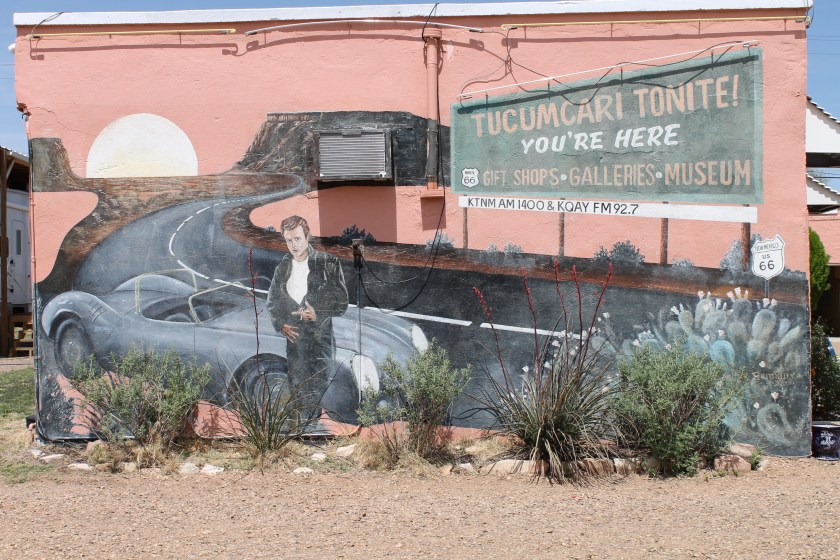
Jimmy Dean’s Spirit Lives on On Historic Rt. 66

How We See Each Other

“The hierarchy of caste is not about feelings or morality,” Wilkerson writes. “It is about power — which groups have it and which do not.” ~ Caste, by Isabel Wilkerson

America is beset with a wound of spirit. Slavery, or the subjugation of others based on skin color, origin – or any other arbitrary distinction -is an ongoing contradiction in our Constitutional lives yet to be resolved. Today, Black Americans are still struggling for equal representation. Now, with the striking down of Section 2 of the Voting Rights Act, are we back at the basic question: Do Black Americans have a right to equal representation in voting districts? We are at another make or break moment. Is the Supreme Court right that there is no longer a need for federal oversight of district maps in southern states which have historically worked to suppress the vote of African Americans?

Human beings can be vicious, murderous, and also kind and loving…and everything in between. We are a complex species with potential for good or bad. Our canon of law traces all the clever ways we try to obtain power.

For millennia, humans have sought distinctions that give them a false rationale, stemming their sense of guilt when taking what is not rightfully theirs. More advanced cultures are more tolerant, making judgements based on how people act in various situations.

Much of this wisdom of the ages was on the minds of our founders when we set out to establish a new kind of government based on equality. Yet, most of them owned slaves and denied poor whites privileges who did not own land. Over our history as a nation, Americans have subjugated and disparaged African Americans, Irish, German, Slavic, Italian and Chinese immigrants, and Native Americans. The Constitution and Bill of Rights, and ongoing adjudication in our courts, continues to refine how we live together and who gets a “slice of the pie.”

Listen to a scholarly discussion about the impact of the Civil Rights Act from the National Constitution Center.

Isabel Wilkerson explains in her landmark book, Caste (2020) that she set out to discover the origins of our discontent. In her lengthy study, interviewing thousands of people, the things that divide us the most are not so much color or gender but rather about who’s got power.

In a 2023 interview with Oprah Daily, she was asked about the banning of Caste from libraries across America. She responded, “In writing Caste, I had to do a tremendous amount of research into India and Germany during the Nazi era. The Nazis studied the United States’ Jim Crow laws in creating the Nuremberg laws. We are coming perilously close to the spirit of what they were doing in another century with the banning of books. It’s revisiting a past that we should never want to experience again.”

It seems to me that we are at a new juncture in determining whether a redistricting map achieves the goals of the party submitting it for review: to determine whether it serves to weaken the moral principles of a Republic to achieve a new form of government, i.e. an autocracy based on white male supremacy and Christian Nationalist ideology. Yes, it is a grab for power, but much more, right? It seeks to tamp down the voices of Black Americans who are seen as opposing white power and privilege which for centuries enslaved generations. Sound familiar? I think we are right back at Reconstruction.

What do you think? Please submit comments.

Resources:

National Constitution Center Civil Rights Town Halls on YouTube:

Civil Rights Division, Department of Justice: Section 2 of the Voting Rights Act

Scotus Blog

Brennan Center for Justice

The Rights of Nature

For too long, the dominant culture has cleaved humans from the web of life, insisting upon human separation from and superiority to the larger living world. That assumption has been translated into law, governance, and other realms of practice, justifying the treatment of nonhumans and nature as treasure troves for endless exploitation. However, the grip of this mode of thinking is beginning to ease, leaving space for new ideas and actions to sprout through. MOTH – More Than Human Life Program, https://mothrights.org/about/

Among thoughtful people across disciplines, the understanding that human beings are woven into the fabric of Nature – animal, plant, river, ocean – all is part of a whole that is interconnected beyond the human imagination. Recent research on trees, for example, demonstrate how certain trees “mother” others and pass on their knowledge to new generations. We’ve learned how fungi are a living glue and generative structure that is ubiquitous in nature and microbes in human beings are a living brain in the gut lining. The more we learn, the more we are humbled before the whole of life on earth.

Now, as great harm is evident through the combined activities of human beings which weakens and disappears species, robs whole forests or rivers of its life sustaining powers, we are called to reconsider whether the Earth is for human taking. What of the rights of all beings who make human life possible?

Emergence Magazine Podcast my readers will note is a well I return to frequently to gain new perspectives on the nature of our relationship to the whole of life. Western philosophy separates humans from nature, thereby providing rationale for extraction and overharvesting for economic gain and for power over others. Ironically for America, present at the time of exploration were millions of Americans with intricate knowledge of how to live on a piece of land without ruining it (Aldo Leopold) and a conceptual understanding of the web of life and its spiritual nature. To me this is one of our nation’s greatest sins. Yes, I consider it a sin because a thinking person through observation alone can observe how life is wildly interconnected and sacred.

Two links for readers to explore:

Emergence Magazine Podcast: Song of the Cedars. https://emergencemagazine.org/podcast/

Robert Macfarlane and the MOTH project https://mothlife.org/staff/robert-macfarlane/?fetch=single-staff and https://mothrights.org/about/

In Song of the Cedars listeners experience the oneness of life with an exceptional group of humans interwoven in the panoply of a healthy rain forest.

Consider whether the exploitation of a mineral from the earth should come with a cost paid back to that mountain based on the legal rights of nature. While listening to this podcast, I thought, “Wow. to think there are people who are engaged in integration in the web of life. I thought these are our most important people, guides and wisdom keepers.”

Let me know what you think about this movement. What is your experience with the rights of nature if any.

Robert Macfarlane Books

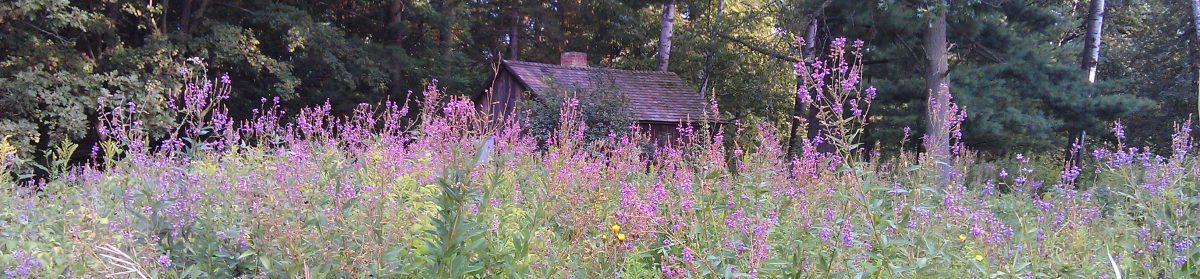
Photo from Kentucky Native Plant Society: Purple Coneflower

The Tree in My Windows

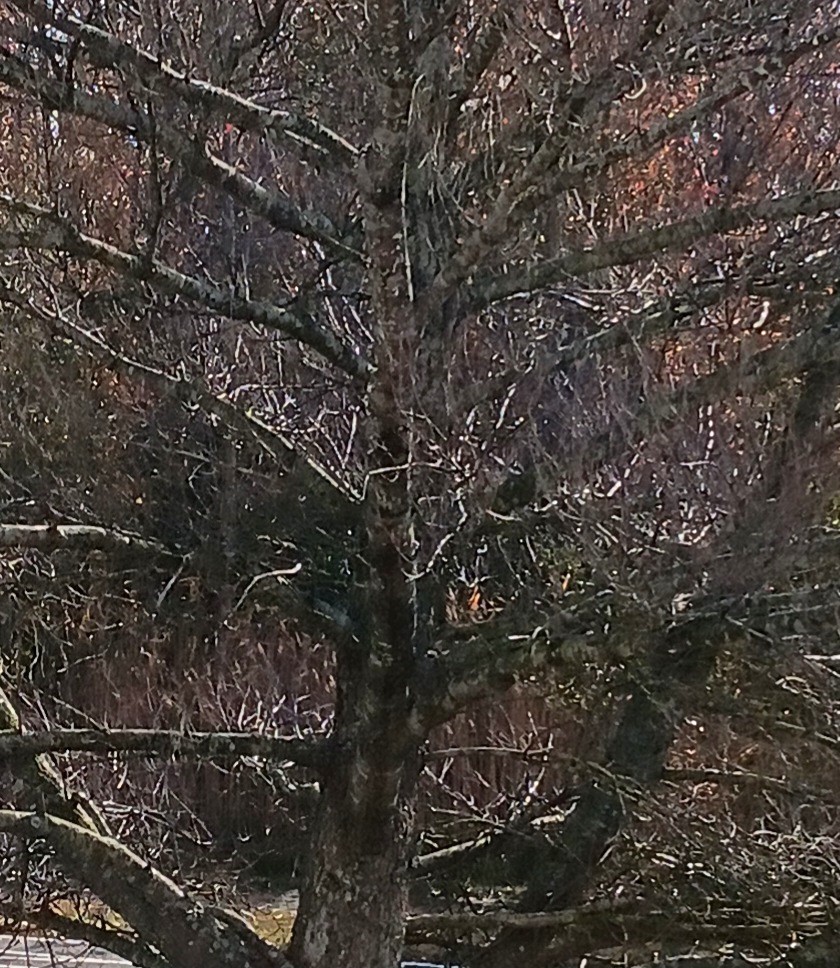
She died last Spring. Had probably been dying for some time. Her mantle of green needles slowly turned to orange, then brown.

The landscape company – a hack and mow down outfit – has left her there for some reason. Slowly a blanket of pale blue lichens is engulfing her skin and bones. The tree’s brain of underground mycelia may yet be conscious.

I do not know, but I feel her presence. Her gray limbs fill my living room windows. We’ve been together for 3.5 years. I am grateful to her enduring presence. Oh, dear Virginia Pine!

How lovely you remain in your shroud of blue lichens like flowers on a gravestone. I will sorely miss you when at last you depart. Even when they come to remove your dead limbs and trunk, you will continue to bring me refreshment and grace.

Goodbye is a long process when I do not wish to let you go.

My Virginia Pine.

Dreaming a New World

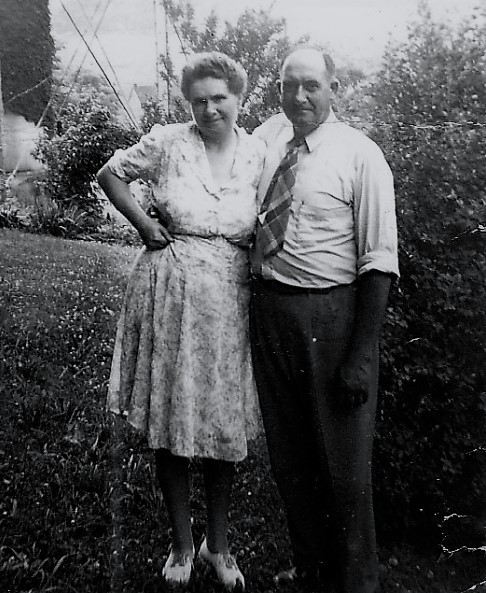
Below is the dedication of my first novel, Threshold, in which I give credit to my grandparents for sparking the idea to write a novel of hope and possibilities.

Steinbeck and Erdrich

For man, unlike any other thing organic or inorganic in the universe, grows beyond his work, walks up the stairs of his concepts, emerges ahead of his accomplishments. ~ The Grapes of Wrath by John Steinbeck. Goodreads.

John Steinbeck’s conviction that latent capacities lie in wait of the challenges we may face is the power of his stories. Steinbeck was a man with his boots set firmly in his homeland: the San Joaquin Valley. He wrote about migrant labor, loss of natural landscapes to industrial scale farming, and poverty created by the concentration of wealth by a few. He sought to understand ecology when he sailed with his biologist friend, Ed Ricketts, to study the Sea of Cortez (Gulf of California). In The Log of the Sea of Cortez, he and Ricketts articulate how life works in linked communities which predated more contemporary scientific understanding of ecology by decades. I highly recommend this book to Steinbeck readers to understand his curiosity and breadth of knowledge.

In recalling The Log’s philosophy, I am struck with how Louise Erdrich not only comprehends the interrelatedness of all life, but she also found her understanding in the places she grew up: the Red River Valley where the Red River flows north toward Winnipeg from Fargo, North Dakota. Today it is a highly engineered river to meet human and industry needs, but once it ran free, annually flooding its banks in the spring runoff to nourish the valley’s soil into rich black loam yards deep. The story that Louise tells in her recent acclaimed novel, The Mighty Red, is centered in this valley among families beginning in 2008 when an economic collapse stressed working families many of whom lost property and/or became homeless overnight.. Some work in the industrial beet operations, others are rich landowners who have bought out small family farms. Another family is working to improve their land in the old way, come what way may. They preserve native “weeds” and regenerate soil.

Something Louise Erdrich has mastered is THE WEAVE – my concept for threading people’s stories in the geography of place. Louise’s mother is an Ojibwe elder in the Turtle Mountain Band of the Chippewa Tribe. Her grandfather, Patrick Gourneau, saved their reservation from the U.S. government’s veiled attempt to take land designated to their tribe by treaties to allow wholesale taking of forests and minerals (Termination under the guise of Emancipation). She told this story in her novel The Night Watchman which won the Pulitzer Prize in 2020. Storytelling is in her blood as this was a primary method of recording history and imparting values, and cultural and spiritual practices among her people.

Louise Erdrich inhabits a pantheon of great writers who possess piercing insight into contemporary American culture and politics. For Louise, her ready access to indigenous ways of knowing lends the power of truth unadorned but artful. It’s a combination that has drawn a worldwide readership.

Like Steinbeck, she builds stories from decades of lived experience in a particular geography – what Gary Nabhan termed the geography of childhood.

Erdrich is imbued with a wicked humor, gift of elders in her tribe voiced through her unforgettable characters with names like Happy Freshette and Father Flirty. But don’t be fooled that her writing is entertaining in the normal way we might think of a western cowboy genre. Erdrich’s gift is alchemy. The impact is more than its elements. At the end of every book I am better than I began. She has gently led me to reconsider the human condition through her characters, to see it in fine definition, beautiful and tragic, heroic and funny.

I’ve laughed and cried my way through the lives of her characters and come to love the places where their destinies unfold. In The Mighty Red, Crystal and Kismet, Hugo and Gary, are caught up in a teenage love triangle and a mother’s quest to protect her daughter. The geography of place includes the beet farms producing sugar (a poison) while “weeds” are eradicated by an unrelenting war on native plants some of which are highly nutritious, she shows readers the profound irony of modern culture’s misunderstanding of the land under its feet. She brilliantly shows readers the interconnectedness of life, artfully described as the “joinery of nature.”

As she approaches 70, Erdrich is more powerful a writer than a decade ago. Winner of the Pulitzer, the National Book Award (twice) and hundreds of other awards and nominations, she has left America and the world a treasure of stories that speak the truth while encouraging us all about our frailty in the face of uncontrollable forces. Yet, even then, like her grandfather, we ‘grow beyond our work, walk up the stairs of our concepts, and come out ahead of our accomplishments.’

I await her nomination for the Nobel Prize for Literature.

Voices for Mother Earth

“Even a wounded world is feeding us. Even a wounded world holds us, giving us moments of wonder and joy. I choose joy over despair. Not because I have my head in the sand, but because joy is what the earth gives me daily and I must return the gift.”
― Robin Wall Kimmerer, Braiding Sweetgrass: Indigenous Wisdom, Scientific Knowledge, and the Teachings of Plants (from goodreads)

“Our challenge is to create a new language, even a new sense of what it is to be human. It is to transcend not only national limitations, but even our species isolation, to enter into the larger community of living species. This brings about a completely new sense of reality and value.” (Thomas Berry, “The Ecological Age,” in The Dream of the Earth, 42). https://thomasberry.org/quotes/

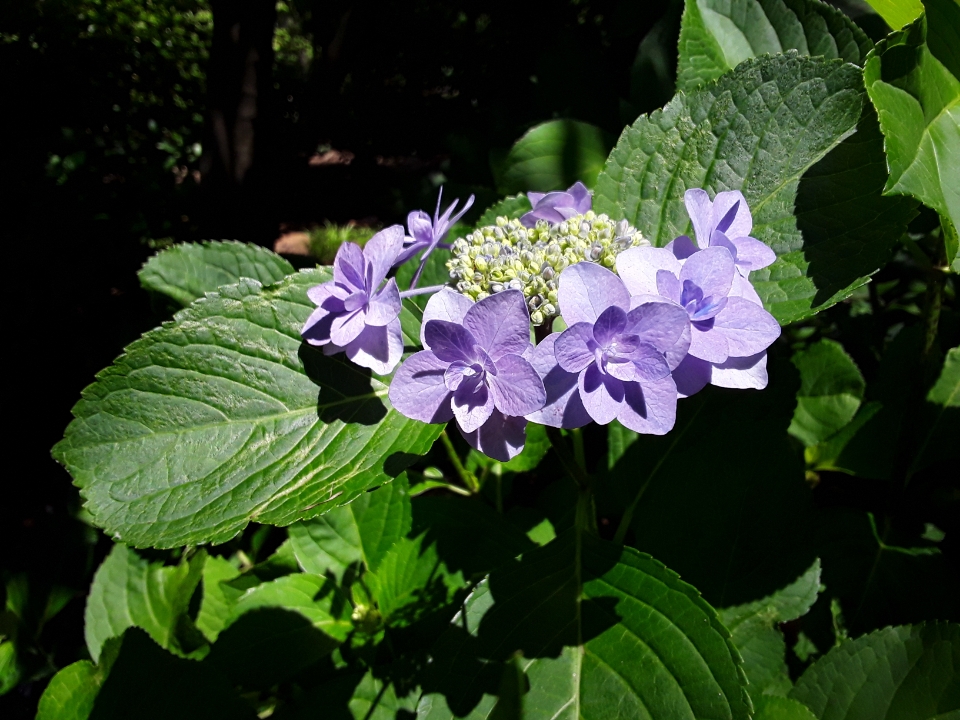
Photo by Susan Feathers at Virginia Beach Botanical Garden Hydrangea Park

M. Scott Momaday, reading his poetry, A Man Made of Words.

Scott’s understanding of language arises from his deep conversation with the land of the Kiowa. He received the Pulitzer Prize with his first novel, The House Made of Dawn.

To read or listen to powerful voices of people who have devoted their lives to celebrating the Earth is to heal and to find our way home. Each offers us solace and a direction for our lives as we anticipate times of destruction in America and around the world. Earth teaches us to live in community, to know each other and to be in reciprocal relationship with each other and all of life around us. I highly recommend these great teachers, each of whom has helped me understand a way forward in uncertain times. They offer hope and a longer point of view than ephemeral politics. They are an antidote to avarice. We need this deep resonance now to stabalize our spirits and our collective wish for unity, equality and peace.

Listening

Here is a brilliant conversation between Robin Wall Kimmerer and Emanuel Vaughn Lee of Emergence Magazine. Robin describes the wonderful serviceberry tree and what she has learned from its generosity. I also recommend Emergence Magazine for its films from artists and thought leaders across our great planet. I go there frequently to keep the balance.

The Serviceberry: Abundance and Reciprocity in the Natural World by Robin Wall Kimerer. I am awaiting my copy!

Creating a Character: It’s a Wild Ride

A friend recently asked me how I created the characters for Threshold, my first novel. As all new writers do, I took classes, read books about character development, and read great character writers. Yet, nothing prepared me for what happened as I began to write the story.

Carla takes over!
Carla takes over!

In Threshold, Dr. Carla Connor took over. She did not follow the path I had planned for her. She emerged as a person who changes considerably over the course of the story, finding new parts of herself not even in her own plan for her life. She impacted other characters so that I had to reshape them as well. Yet Carla was perfect for my intent.

Nobody tells you about this phenomena. Just Google “How to Develop Character” and see what comes up. There is nothing about the character coming alive and driving the narrative.

Louise Erdrich, whose characters pop from the page, explained this phenomenon recently with the release of her National Book Award novel, The Round House. Listen to this interview. If you do not want to listen to all of it, advance  to 4 minutes where she explains how a 13-yr old boy took over her story, how she lived his experience, and even how she misses him now that the book is “out there”

So go be kidnapped by characters; let them show you the way to the end. Just a warning: the process also comes with mile-high drafts, buckets of sweat and tears, emotional ups and downs, and slings and arrows.

Wonder who I will meet in my next book?