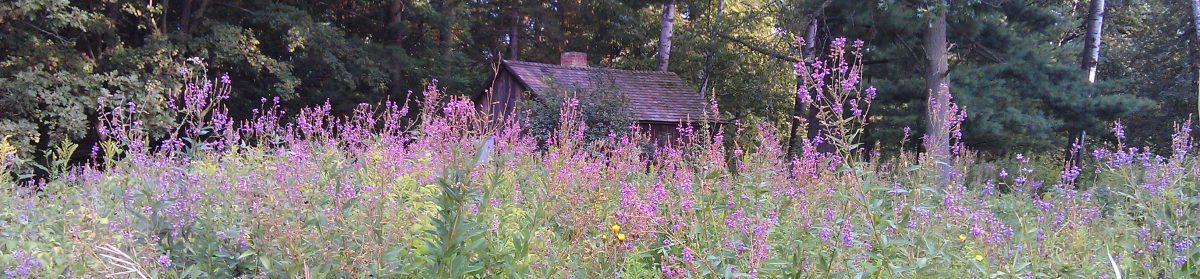
For too long, the dominant culture has cleaved humans from the web of life, insisting upon human separation from and superiority to the larger living world. That assumption has been translated into law, governance, and other realms of practice, justifying the treatment of nonhumans and nature as treasure troves for endless exploitation. However, the grip of this mode of thinking is beginning to ease, leaving space for new ideas and actions to sprout through. MOTH – More Than Human Life Program, https://mothrights.org/about/
Among thoughtful people across disciplines, the understanding that human beings are woven into the fabric of Nature – animal, plant, river, ocean – all is part of a whole that is interconnected beyond the human imagination. Recent research on trees, for example, demonstrate how certain trees “mother” others and pass on their knowledge to new generations. We’ve learned how fungi are a living glue and generative structure that is ubiquitous in nature and microbes in human beings are a living brain in the gut lining. The more we learn, the more we are humbled before the whole of life on earth.
Now, as great harm is evident through the combined activities of human beings which weakens and disappears species, robs whole forests or rivers of its life sustaining powers, we are called to reconsider whether the Earth is for human taking. What of the rights of all beings who make human life possible?
Emergence Magazine Podcast my readers will note is a well I return to frequently to gain new perspectives on the nature of our relationship to the whole of life. Western philosophy separates humans from nature, thereby providing rationale for extraction and overharvesting for economic gain and for power over others. Ironically for America, present at the time of exploration were millions of Americans with intricate knowledge of how to live on a piece of land without ruining it (Aldo Leopold) and a conceptual understanding of the web of life and its spiritual nature. To me this is one of our nation’s greatest sins. Yes, I consider it a sin because a thinking person through observation alone can observe how life is wildly interconnected and sacred.
Two links for readers to explore:
Emergence Magazine Podcast: Song of the Cedars. https://emergencemagazine.org/podcast/
Robert Macfarlane and the MOTH project https://mothlife.org/staff/robert-macfarlane/?fetch=single-staff and https://mothrights.org/about/
In Song of the Cedars listeners experience the oneness of life with an exceptional group of humans interwoven in the panoply of a healthy rain forest.
Consider whether the exploitation of a mineral from the earth should come with a cost paid back to that mountain based on the legal rights of nature. While listening to this podcast, I thought, “Wow. to think there are people who are engaged in integration in the web of life. I thought these are our most important people, guides and wisdom keepers.”
Let me know what you think about this movement. What is your experience with the rights of nature if any.

 Susan Feathers