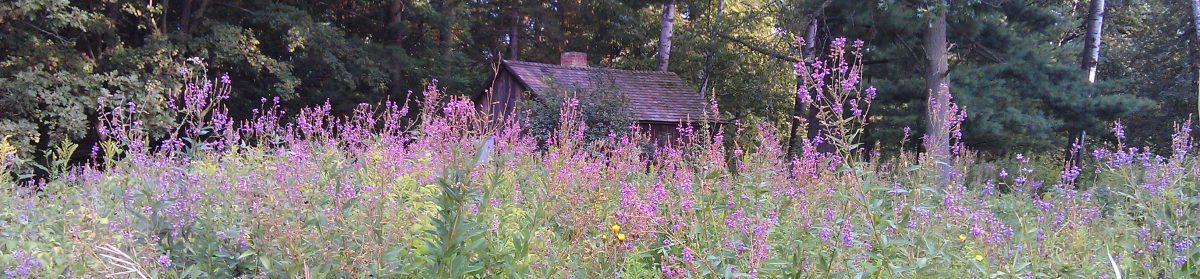
The Peace of Wild Things
Wendell Berry
When despair for the world grows in me
and I wake in the night at the least sound
in fear of what my life and my children’s lives may be,
I go and lie down where the wood drake
rests in his beauty on the water, and the great heron feeds.
I come into the peace of wild things
who do not tax their lives with forethought
of grief. I come into the presence of still water.
And I feel above me the day-blind stars
waiting with their light. For a time
I rest in the grace of the world, and am free. ~ The Poetry Foundation
My spiritual center, i.e. the physical and psychological tether of my soul on this planet is the ancestral home of my grandparents in Watauga, Tennessee. The Hilltop Farm they inhabited and farmed, and welcomed their children and grandchildren is the place where I felt Mother Earth’s presence as a child. I have written that I’m tethered there, grounded there psychologically and spiritually. For my entire life it hovers in my imagination and pulls me toward it.
America was first an agrarian nation with millions of family farms by the time I was born in 1945. But during my life up to now (81 years and counting) we have lost millions of small family farmers and their lands to industrial scale one crop operations owned by corporations with no human face. With that theft the soil of our geographical home has been robbed of its biological wealth and resilience. Young farmers today – our pioneering youth – face insurmountable barriers to small farm, biodiverse farming. The American Farmland Trust reports that we lose 2,000 acres of farmland every year. Most of these are farms where the farmer ages out. Sons and daughters do not carry on the farming business because its almost impossible to make a living growing wholesome food for Americans in their local communities. The farm is sold. American is sold out for some corporatized replacement that drains the community of its wealth.
Wendell Berry, whose poem has always resonated with me as a fellow guardian of the sacred nature of the Earth. If we cannot learn to live on Earth without ruining it, we are doomed. This is everywhere apparent across the planet.
Why have corporations come to rule over us? Why is capitalism a no-win system? Get a tea or coffee, or a clear glass of that sacred beverage – agua pura – and listen to Wendell Berry discuss America’s un-settling by greed.
I promise you this interview with the late great Kentucky farmer-poet, writer and philosopher – at a Sustainable Agriculture conference – will settle you with his eagle vision of a way forward in an uncertain time.

 Susan Feathers