The River People – Chapter 9

Ancient Songs

I learned more about David Tejano on this trip. We met again at The Crossing restaurant. David brought his wife, Sharon, and their three children who were 8, 10 and 14. I learned that David worked a 14-hour day as one of three social workers. I observed some friction between David and his wife in their exchanges about his busy life. Sharon explained that David was a spiritual leader as well, a Bird Singer, and he participated on several committees.

The kids were quiet but lively. I told Sharon about my job at the university as an environmental educator, and how I hoped that we could organize an interesting project for youth. The older boys made suggestions, mostly about sports, and the youngest, a girl, wanted to do an art project. I was glad to see that at least children thought it was a good idea.

We ordered. David went for the fried foods again for which Sharon admonished him and patted his round stomach. Later he slathered butter on his corn tortillas as Sharon looked on and he laughed.

“So, I managed to get a small grant for whatever project the River People may wish to do,” I said, changing the subject.

David nodded approval and said that would be good for the meeting with the elders, to show we had some skin in the game. I marveled at his use of language and how he seamlessly managed the two worlds he navigated with apparent ease.

“Do you know what the elders have in mind?” I asked.

“Not a clue. They don’t share much with me either.”

I laughed. “That makes me feel better.” Sharon smiled in recognition of my position. David had filled her in on the Tribal Chairperson’s welcome.

“That was brave,” she said.

“Self-defense, I believe!” I said.

“You were honest. That goes a long way among our people.”

David filled me in on where to meet him as we parted ways. I took a carton of flan back to the hotel. That had to be the best dessert in the world. A caramel custard to rival my mother’s egg custard. I was feeling more comfortable in Yuma and with the idea that I might be able to establish a lasting relationship with this amazing nation of people. They were still present, and they were reviving their cultural traditions. But much had been lost.

~~~

I met David at his office. It was the first time I noticed how many people, mostly men, were in wheelchairs . . . amputees from advanced diabetes. They stared right through me or did not look anywhere at all. I felt very uncomfortable there in the waiting room of his building. The weight of what has happened here is manifest in these people, sick and depressed about their conditions.

David greeted me about ten minutes late and apologized. By my demeanor, it must have registered how difficult that time had been for me. I could not shake a profound sense of guilt.

“Don’t go down taking the sins of the fathers upon you,” he said as we walked down a long hallway into the sunlight at the back entrance.

“I can’t help it. Our policies, our theft . . . I am struggling with it.”

“Well, then do something about it. It’s not like it’s over,” he bluntly stated. I looked up at him and saw that he was smiling.

“I guess that’s why I am here, though I am not sure how a little environmental education program can make a difference.”

“You might be surprised. Some things get done by just continuing to show up.” David was wise beyond his years.

~~~

I was pleasantly surprised to join the museum director and elders at the new cultural center. It was small but beautiful, featuring the art of the River People and their history and material culture: clothing, fishing and hunting implements, war clubs, and many other everyday objects from times past. The director was a tall stately woman dressed impeccably in a long flowing skirt and jacket top, with dramatic makeup and jewelry. Her long dark hair was pulled back on both sides with beaded hairpins. She looked almost Asian, with very pale skin and watery grey eyes. Her assistants, though younger, presented themselves as grandly as their director. A breakfast buffet with coffee and juice had been prepared. Compared to my last meeting with the elders, this felt closer to how I greet guests at our offices in Tempe. However, later I was told by the director that the cultural center and museum always prepare a lavish spread for the elders. That was a reality check. This was for them, not me.

David left me there to mingle in the all-women gathering. He said he would return at noon. I would miss his supporting presence. I gulped and joined the group. I felt too casually dressed compared with the museum crew. My culture’s ways of relating were varied, and my workplace had gone casual. For a moment, I wondered if I should upgrade how we do things in the almost all male Southwest Center. As a daughter of a military officer, my mother had taught her girls how to dress to show respect, but then the women’s liberation movement shattered that tradition. The culture of casual dress at the University sealed the deal. I made a mental note to clean up my act on the next visit.

Marion, the director, introduced me to her assistants and then invited the elders to the table, suggesting her assistant could also bring them a plate if they preferred. I waited with her as the elders were served; then she indicated I should go next. After we all had our plates and beverages and returned to our seats, which were arranged in a circle, we simply ate in silence with an occasional comment from someone about the food, or an observation about the beautiful morning, and so on. It was an old fashioned social meeting among women. I had not been in on a scene like that since sorority days in college with tiny sandwiches, frosted demi-cakes, and punch.

After everyone finished and the plates were collected, we began a formal meeting with the elders. Marion led the way.

“The elders have discussed the idea of a project for youth. They think it might work well if the children learn something about gardening in the old way and then learn the names of the traditional plants and farming practices. It could also be a way to add to the language recovery efforts.” She paused and looked among the elders to make sure she was communicating what they intended. “Do any of our elders wish to comment?” she asked.

A woman named Georgina spoke up. She had wavy, graying hair, shoulder length, fleshy cheeks with many wrinkles, and dark merry eyes. She was rotund and wore a flowing rose-patterned dress over her large bosom and belly. She was wearing support hose and heavy black orthopedic shoes. Her ears were adorned with long shimmering pink and white beaded earrings.

“Back when I was a little girl, we still farmed in the mud of the river after the flood was finished. The seeds we planted are the old ones, the ones that grow well here.” She pointed toward the landscape visible through the large glass windows in the meeting space. “Most of our kids today have neither seen nor tasted the native melons, beans, and greens that were all we had to eat back then. I think that kids could grow some of these old ones in a garden near the museum.” She looked over at Marion.

Marion was quiet for a while. Another elder spoke up. “It will be a challenge to interest the teens; they are too far into the modern culture to care. But the little guys might want to do it.”

We sat in silence while thinking about this idea, to start with much younger members of the nation.

Another elder spoke. “Teens are lost, you know. Many are already showing negative attitudes.” She was a little younger than the other elders, slim by comparison, with beautiful hands, Vicky noticed. “I am thinking we should ask them to help the little guys. Give them a leadership role. They will learn along with the kids. Saves face.”

That made the women giggle.

“Miss Greenway, do you think the university would support such a project?” Marion asked.

“Yes. I think it fits very well with the intent of the center,” I said. “Learning the native plants is directly connected to land and water and will be a wonderful, fun . . . a delicious way for children to learn at the same time.” Then I decided to announce that the center had agreed to invest $5,000 in this project. “That should be enough to buy whatever you may need and have some money left over to support the ideas the kids may come up with.”

There were murmured comments among the elders. Marion cautioned it would only be successful if kids wanted to do it. She suggested that the project be based in the museum programs and that the museum staff manage the money. The elders and Marion had already determined a place for a garden in their original blueprints for the museum.

That seemed to be a good way to implement it, so I agreed.

Writing the Landscape – Updated

Kentucky

Kentucky is a land of dozens of tribal nations. Once densely populated with virgin forests, the people cleared some of these wooded areas to create meadowlands. Game inhabited these areas to graze on the wild grasses. Good hunting. The people kept the meadows productive with a light firing each season, creating the meadows seen today, a gentle impression on the land. See Native Americans of Clay County and Kentucky pdf below.

When I walk around the countryside in Southcentral Kentucky, I am aware of trees and farms and rivers and lakes and sandstone or limestone outcrops–a porous land on and through which waters flow. Karst landscape it is called. Carved by water, there are caverns, caves and blue holes where springs surface like eyes peering up at us terrestrial beings.

I am writing a new novel based in Kentucky in Bowling Green. The frame of the novel is the land. Its presence permeates the story about a young girl whose family has deep roots in the land, five generations of farming on what was indigenous land. She is a new generation with dreams in her eyes about regenerating her family’s land, back to what it might have been when reciprocity between human and soil was natural and both thrived.

She wonders, “What would reparations look like? What could I do to make it right?” See the PDF below about how many tribal nations originally inhabited the land on which the hunted and lived for thousands of years.

Remembering Origins

More conversation with Amitav Ghosh, author of The Nutmeg’s Curse on Emergence Magazine brings up similar themes incorporated into Threshold, a novel about climate change in the Southwest. In it, I layered the rich cultural endowment of the Tucson area, with ancient Indigenous and current day Native Nations wisdom, and Mexican American land and agricultural practices that have and continue to shape the local zeitgeist. But, like most communities in the Southwest, capitalistic systems drive commerce rendering the living Earth mute. All these ways of living mix together yet one has dominated the political and economic forces, imperiling Tucsonans to climate emergencies.

Listen to a chapter from Threshold as a major character of Mexican descent, Delores Olivarez, takes a hike up “A” mountain observing the changes in the Tucson valley that trace all these cultural ways of knowing. Thanks to Terrain.org for publishing this chapter of Threshold.

Threshold at the Tucson Festival of Books

FOR IMMEDIATE RELEASE

February 4, 2023 | Tucson, Arizona

Visit Threshold for more details.

Southwestern Novel From Fireship Press—A fictional novel exploring the dramatic affects of climate change in the desert community of Tucson, Arizona

A Love Story in a Time of Climate Change

Susan Feathers will be present to sign and sell copies of Threshold during the Indie Authors Pavilion at the Tucson Festival of Books on March 5, Saturday from 10 a.m. to 1 p.m.

Confronted by crisis in their own world—climate scientists, politicians, and desert museum curators face the biggest challenge man can encounter—no water, anywhere. In the barrios, families and community leaders, band together as they face unbearable heat and the crushing weight of the gangs that intimidate them. Amidst the turmoil, three teens navigate adolescence to become leaders in a new world. With shifting sand underfoot, characters follow their intuition and learn new skills as they chart a way into a viable future. Threshold will make you think while it celebrates the enduring nature of communities as they search for what is lasting and true. Threshold is a powerful new western novel in the best of its tradition. Appropriate for high school classes.

“In a riveting, multi-stranded plot, Threshold translates the conceptual worry over climate change into immediate, interpersonal dramas.” –Mary Lawlor, Muhlenberg College

“Such a well-written and thoughtfully conceived novel regarding very poignant issues of the day; THRESHOLD is a valuable contribution. The author continues a tradition in Southwestern Literature of social and environmental consciousness –Mark Rossi, Frank Waters Foundation.

About the Author

Susan Feathers is a writer and educator with 30 years of experience communicating science to the public. She served as the Director of Education at the Sonora-Arizona Desert Museum. Her writing focuses on the importance of place in forming character and destiny. Susan is an excellent speaker with years of experience delivering programs to the public. Her blog, WalkEarth.org, now in its 14th year, has an active following.

Fireship Press

P.O. BOX 68412 • Tucson, AZ 85737

520-360-6228 • fireshipinfo@gmail.com

http://www.fireshippress.com

Fiction: General, Action and Adventure, Urban

Trade paperback: 978-1-61179-369-7 / $19.95 • ePub & Mobi: 978-1-61179-370-3 / $7.95

Available through: Amazon, Barnes and Noble, iBooks and Kobo, and at Antigone’s and Barnes and Nobel (Wilmot) in Tucson.

-###-

In all the hidden spaces

Sugar Maple and Grove, Bowling Green, Kentucky 2021 Photo by Susan Feathers

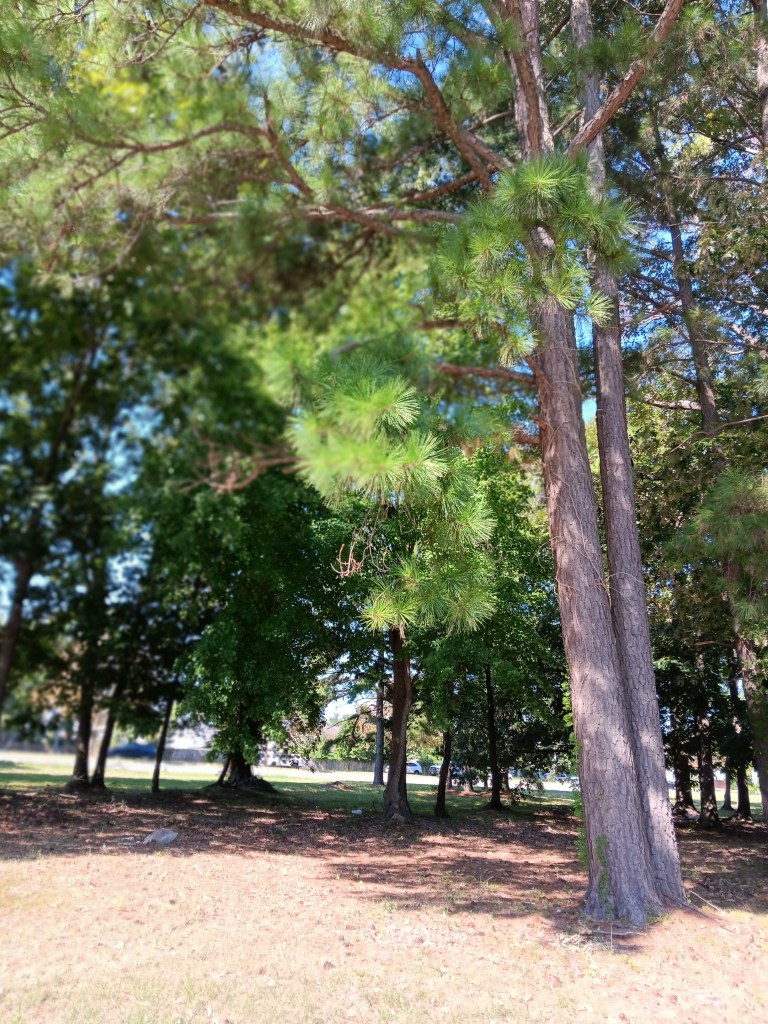
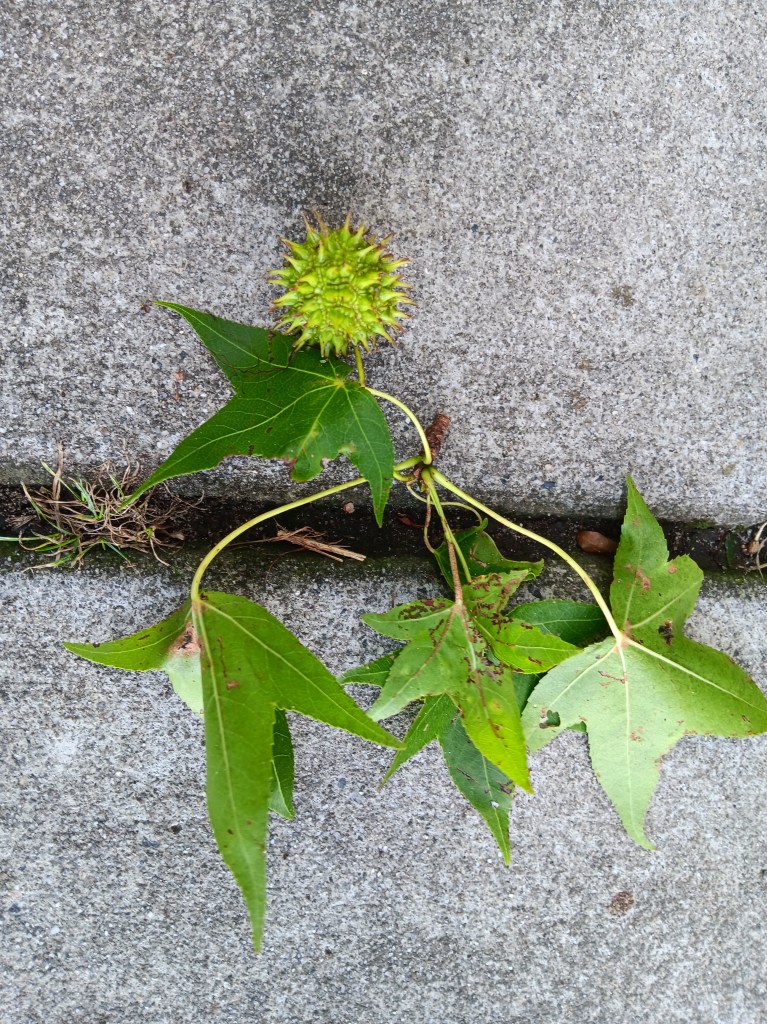
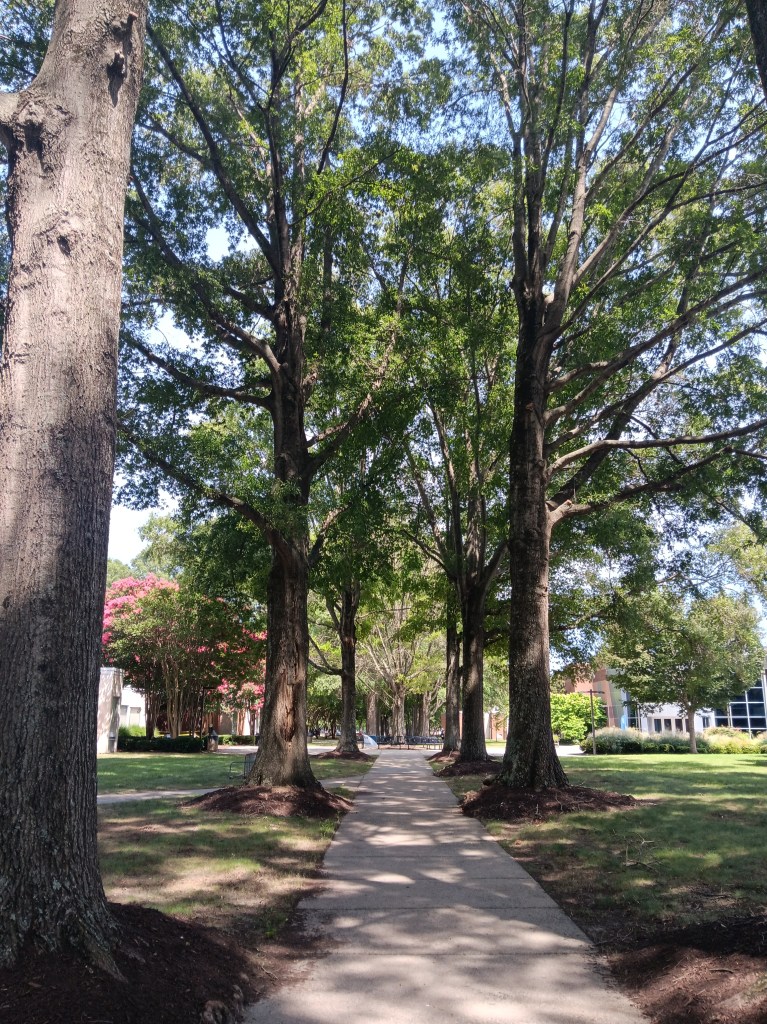
The beauty of the land near my apartment complex, tucked among sprawling medical buildings and a new bank, can still be found if you look with an eye for the lone tree and all it nourishes. The sugar maple above is a mother tree, probably in the dying phase of life, but none the less still harboring many forms of life in its canopy and beneath its graceful limbs.

Dream Meadows Farm, Lover’s Lane, Bowling Green, Kentucky photo by Susan Feathers

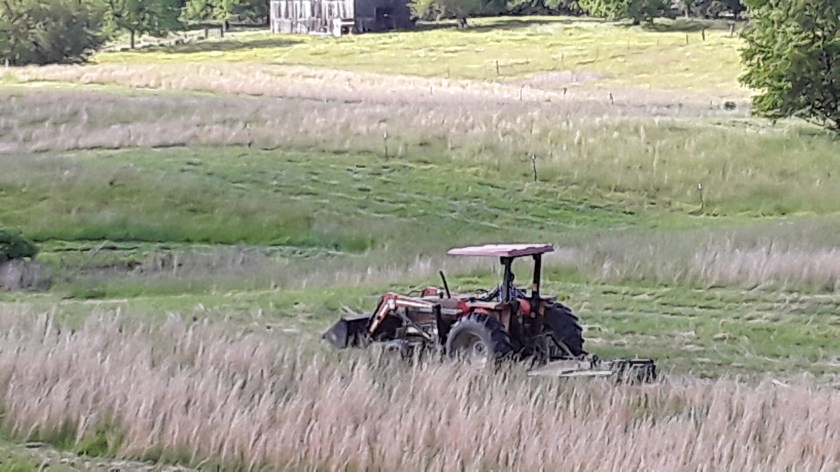
One side of my apartment looks out onto Dream Meadows Farm, a 17-acre remnant of once large farms along what is known as Lover’s Lane, or 880. Steadily, development has destroyed the farmland and wild areas to make way for rapid growth. The cooling provided by mature trees, deep grass roots that percolate heavy rain and prevent flooding, and deposits of fertilizer by cattle and sheep are all illustrative on this small farm — the last working farm on the lane. It inspired the draft of a new novel which I am finishing now. It tells the story of a young woman, Belle, who dreams of becoming a regenerative farmer. She learns how to replant native trees in field rows and create orchards. Only 19, her roots on the family farm reach back centuries. She has the long view.

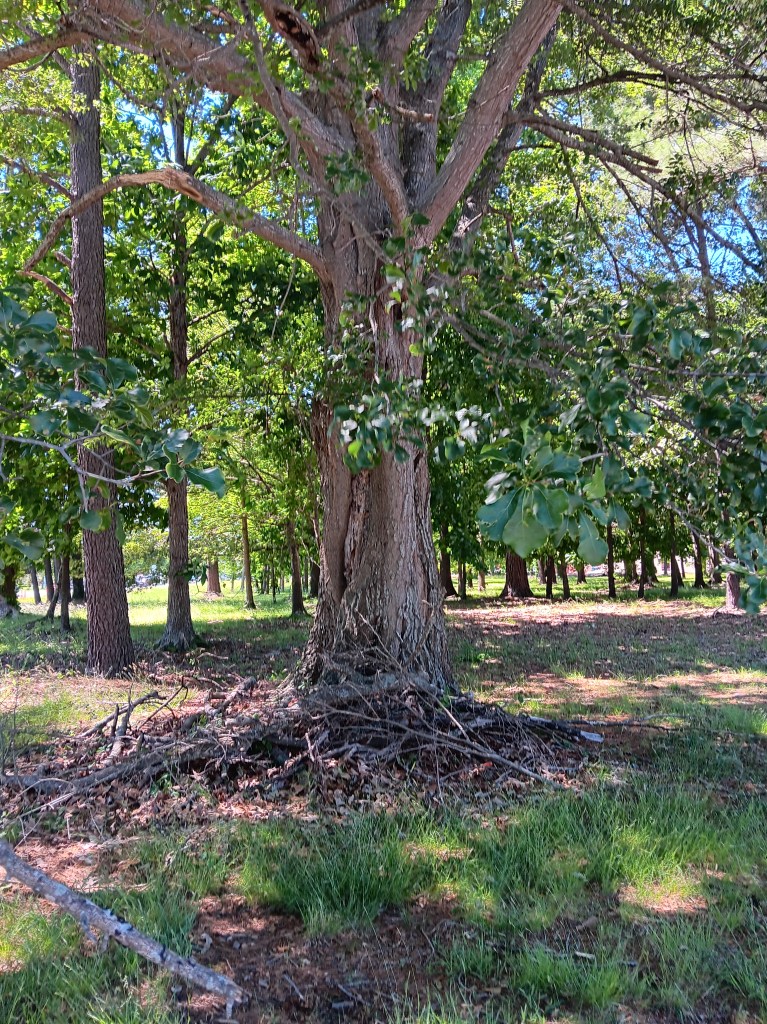
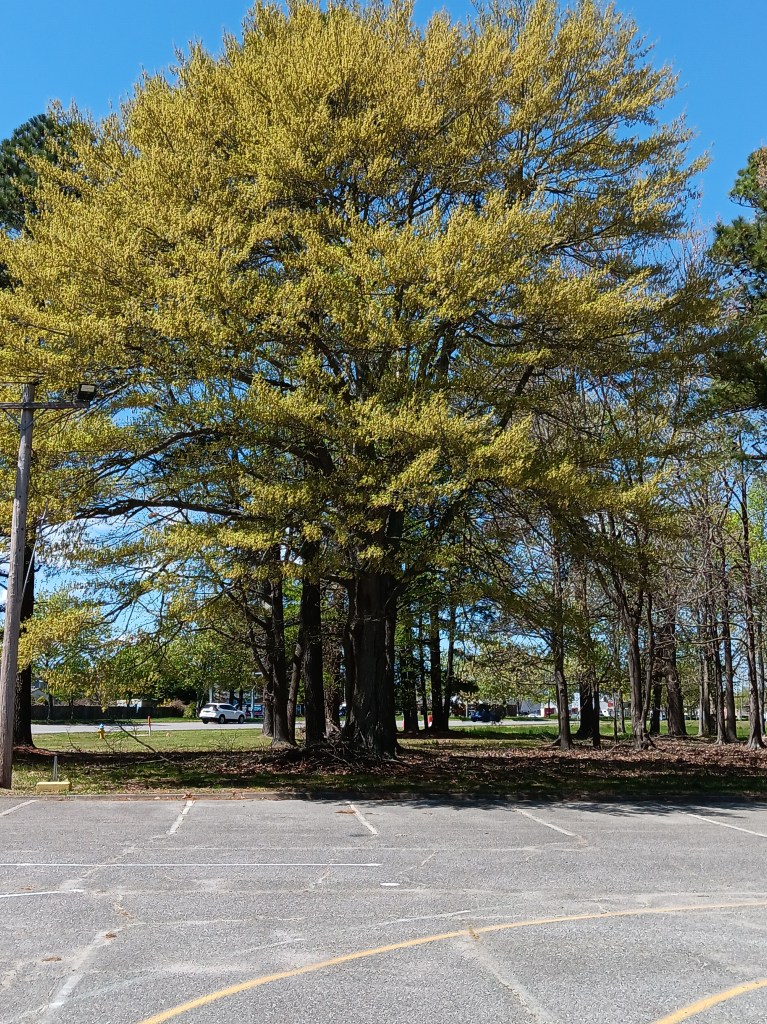
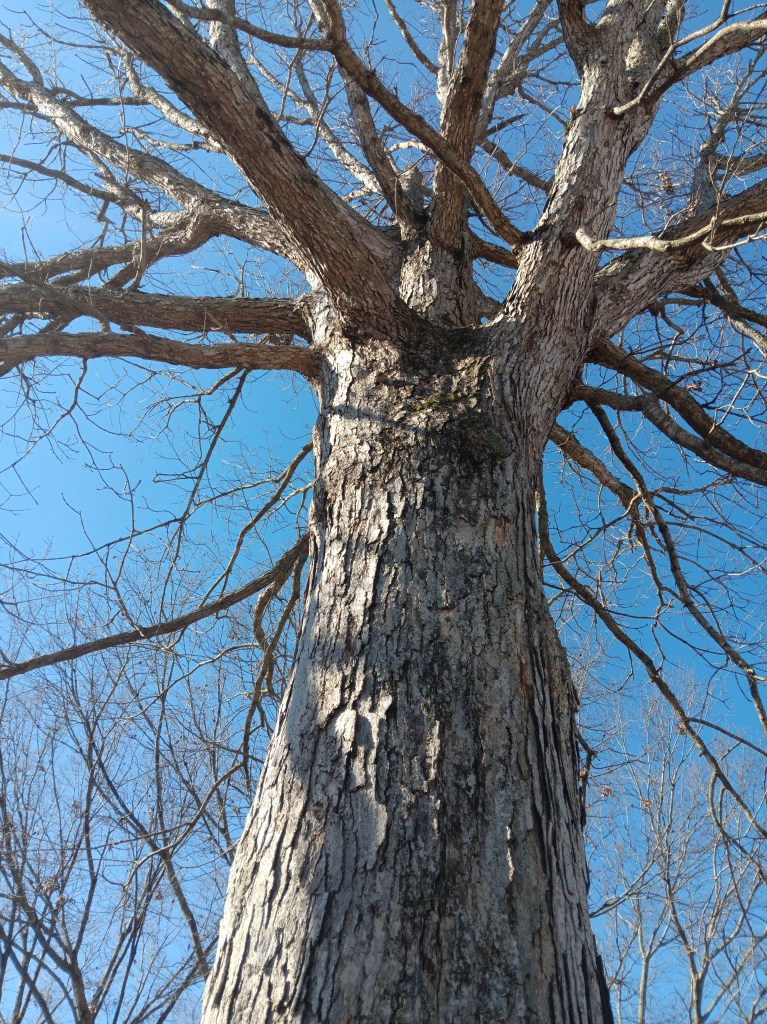
Mature Sugar Maple near I-65, behind Social Services, in Mt. Victor Development, Photo by Susan Feathers: “A Mighty Fortress”

Go out and you will see the beauty of nature between buildings, in back lots, rising under sidewalks and streets, and animal life following these islands of life–navigators in a perilous time.

What have we forgotten? The Dream of the Earth. Reawakening this dream in you is a step toward sustaining life for all.

A world made whole

Low Tide on a Spring DayFrom my earliest memory, I have loved being in nature. I frolicked in the out of doors, savoring every second I could:

rolled down a hill with gravity pulling me faster and faster, out of control; jumped into a fragrant pile of leaves trusting it would cushion me;

plunged into a pool when the air popped with heat; shushed down a quiet, snow covered slope toward a tiny chalet, smoke twirling above its chimney;

rocketed a backhand, uncoiling the power of my body to propel a fuzzy ball on an accelerating arc to my opponent’s feet.

These are the gifts of being alive on Earth, this magnificent creation.

Only here can I be carried away by the scent of orange blossoms; only here can I gaze into the blue mirror of a lake at mountain peaks and passing clouds.

I come away from digital kingdoms that replicate at exponential speed; I come away to a world made whole, and wholly holy.

For years I sensed Earth’s wholeness, whenever I remembered and returned.

For years I pursued knowledge to understand why it was that way.

And then, I just accepted the world was made whole.

And now, I realize I was, too.


Capitol Polemic

Staircase Detail Up to DomeHistory and JusticeFreedomCapitol Bldg RotundaHouse Chambers Hall to House of RepsCapital Bldg Daytime19th Century Handpainted Ceiling_House at CapitalDuring a trip to Washington D.C. Congressman John Mica offered to take our group on a special evening tour of the Capitol Building. He is a real history buff and with 21 years serving in the House of Representatives he has a few good stories…

These photos taken with my smartphone speak for themselves. The quality of workmanship and art in the architecture, paintings and sculpture makes my proud of my government. Washington D. C. has long been my personal inspiration.

The workshop I attended was a special session of Florida State Public Universities. We met with representatives from Department of Defense and major uniform services, and then with staffers from Democratic and Republican representatives with the Florida delegation.

Given the acrimony and loss of the traditions of discussion and respect for disparate viewpoints, many Junior Conservative representatives have never experienced what staffers described as the Regular Order of legislation. They all expressed dismay with ongoing sequestration, little hope of a bipartisan spending bill, and the general loss of appreciation for the 200-year-old process of compromise to pass bills that work for the America Public.

Capitol Nightime

Lions, Tigers and Bears – Oh, My!

Why we need top carnivores

When Dorothy set off to find the Wizard of Oz, she and her companions encountered a lion in the dark wood – just as they had feared. But, the cowardly beast only drew their disdain for what good is a spineless lion?

Therein lies the dichotomy between our visceral fear of large carnivores and our psychological need for lions, tigers and bears to be wild, fierce and free – a ‘varmit’ or an icon. One gets them killed, the other immortalized. And, neither will help them survive.

Neither perception tells us why lions, tigers and bears are important. Remove the carnivore and prey populations multiply exponentially. Grazers mow down vegetation, producing more young and increasing in number until food sources are used up. Disease and starvation then finish them off.

A wolf pack takes out the weakest of the herd, controlling not only numbers but removing the least adaptive genes from the population’s gene pool. A dynamic balance results between wolves, deer, and vegetation, and countless lives dependent on them benefit, too.

That we do not understand the importance of this relationship was memorably recorded by Aldo Leopold. He wrote about an experience shooting wolves one afternoon – a common practice among Forest Service rangers then – wolves were vermin that needed eradicating. Leopold had watched the “fierce, green fire” in the wolf eyes fade in her death.

Dawning on his consciousness was the realization of a bigger death, a death of wild things and something greater still: the very foundation of a healthy ecosystem. The wild, beautiful landscapes that inspired Leopold, that support man’s livelihood, were created over centuries among myriad species until the climatic stage in a community was reached and wherein dynamic balance of populations is achieved by an elaborate set of checks and balances.

The wolf he had just killed was one of the key checks and balances where it lived.

Until that moment Leopold lacked the understanding that he later reflected only a mountain could possess. Mountains have the long view, he wrote, whereas humans are newcomers. A mountain has no fear of wolves … only deer – because the deer will mow down its trees and the rains will wash away its topsoil and cause all kinds of havoc on the mountain.

Thinking like a mountain requires that we look down the long road behind us and way ahead to understand the present truth.

The cattleman who compares the life of a wolf against the current market price of his cow misses the much greater value of leaving the wolf wild and free. That “home on the range” where his cattle roam depends on a well functioning natural community to maintain it.

Leopold was writing about this phenomenon in 1949. One would hope that nearly six decades later, we would be a wiser country, wiser for the scientific data that supports the wisdom Leopold gained through patient observation.  We know, for example, that the return of large carnivores to their native habitat can lead to an increase in plant and animal diversity and ecosystem complexity:

“Their removal can unleash a cascade of effects and changes throughout all ecosystem trophic [feeding] levels reducing biological diversity, simplifying ecosystem structure and function, and interfering with ecological processes.  Their return to impoverished ecosystems can reverse the cascade and restore diversity and complexity to ecosystems.

We are witnessing such ecological rebirth in Yellowstone National Park following the return of the wolf to that ecosystem.  Riparian willows and cottonwoods are returning because elk spend more time moving and hiding to avoid becoming wolf scat.  With their table reset, beavers are returning to the streams.

These ‘ecological engineers’ provide homes for myriad critters from aquatic insects to fish to songbirds.  The extent of changes is certainly far more complex than we can observe or document.”   [Dave Parsons, Conservation Biologist, The Rewilding Institute’s Carnivore Program[1]]

Yet even with our increased knowledge wolves are still exterminated as happened in Alaska. The governor of the state supported an illegal aerial hunt on 14 denning adult wolves followed by the point blank murder of fourteen pups. The justification given was to boost caribou populations in Southwest Alaska. Short term solutions will eventually deliver the opposite result if conservation biology is correct.

Ironically, Alaskan wildlife agency personnel were the arbiters of the killings. Over the sixty years since Aldo Leopold’s epiphany, a lot of good science has been conducted, laws put in place as safeguards of keystone species—a species that influences the ecological composition, structure, or functioning of its community far more than its abundance would suggest[2]  In other words, lions, tigers, and bears…

In 1996 I attended a public meeting in Springerville, Arizona convened over the “elk problem.” Present were the U.S. Fish and Wildlife Service, Arizona Game and Fish Commission, White Mountain Apache biologists and tribal officials, ranchers, tourist industry reps, a hunter’s association, residents and students. It became apparent right from the start that a classic show down between conflicting interests was about to happen, and a full airing of our dichotomous American character.

The problem appeared to stem from an exponential increase in elk populations. A ranch owner testified how elk herds of 600 to 1,000 head could be found in her valleys and meadows on just about any given day, leaving in their path a swath of denuded range. She demanded that Game and Fish raise the limits for hunters to help bring the population under control. As she made her plea she turned to the Apache contingent. For they did not kill elk unless they needed meat and entertained the elk herds’ presence within the boundaries of their reservations at night when the animals sought refuse there. The vast reservation stretches as far south as Phoenix encompassing 1.67 million acres. The rancher wanted the Apache Nation to help kill elk and bring the herds under control. They would not, they said, based on ethical principles and the belief that restoring the natural systems would be the only true answer to controlling the population. (I think I caught a twinkle in one tribal elder’s eye as this statement was made.)

Tourist agencies pleaded that the presence of elk, seen from the freeways and in the camp or motel areas, drew thousands of families who enjoy seeing wildlife. Tourism brings millions of dollars in revenue to the community they reminded the assembly.

The U.S. Fish and Wildlife Service deferred to the Arizona Game and Fish Commission. But first they made a statement about the traditional range of the Mexican gray wolf, a natural keystone species of the disrupted ecosystem. Reintroduction of the gray wolf in New Mexico’s Gila National Forest and southern Arizona’s Gila River communities was just getting underway.

Mention of the wolf acted like a match on tinder. The auditorium erupted in arguments from the ranchers and tourism folks alike who didn’t welcome wolves in the woods.

Then, a rancher rose to speak. He had the look of one who spends his days in the sun.

“We are victims of our own schemes – me included. First we saw the wolf as our enemy and we systematically exterminated it. We saw it killing too many elk, too many cattle. We feared for our own lives. Once it was gone we began to notice how the elk and deer populations grew each year. Now we watch as they eat the meadows down, even strip the bark. Well, maybe its time we examined our own nature to see how we can control that!”

Back at the end of the Yellow Brick Road, Dorothy got her wish to go home, the tin man a heart, and the lion, courage. Maybe the wolf, the lion, the tiger, the bear, the shark, the grizzly will be restored, too, at some time when our own wizardry returns us to the natural order of things.

Return of the Mother Turtles

Each spring and early summer loggerhead turtles repeat an ancient journey linking the Atlantic and the Gulf of Mexico.

The Gulf Coast along Florida, Alabama, Louisiana, and Texas is the birthing grounds for four of the world’s species of sea turtles.  Historically mother turtles arrive along Pensacola’s barrier islands from late May through end of August.  Loggerheads, the largest of the species, leave tracks that look like tread marks left by industrial sized tires.  These heavy mom’s are sensitive to light and the slightest elevation in the land.  Turtle moms crawl under moonlight up the dunes, dig a well with their back legs, and then deposit up to 100 round, pearly eggs, covering it over as they return to the sea.  The egg encased young mature in the warmth of the sand, hatching about 7-8 weeks later with the task of removing the sand, clawing their way to the top and onto the beach where they instinctively are drawn to flickering moonlight on the wavelets.  Along the frantic rush to the water’s edge and relative safety in the sea, birds, crabs, raccoons, and other predators may have them for dinner or breakfast.  This form of reproduction depends on broadcasting large numbers of progeny to counter the low odds for survival.

Volunteers with the National Park Service help increase the odds of survival by guarding the nests until hatching, then help infants make it to the sea.  See Barrier Island Girl blog for more information and wonderful photography by D.J. a Pensacolian involved in Turtle Conservation through the Gulf Islands National Seashore and her active participation in local culture and family events and natural rhythms.

See Caretta caretta…no, it’s not a song on this blog for more natural history information and conservation issues.

Photo from Defenders of Wildlife Website, National Oceanographic & Atmospheric Administration. Go here for an excellent summary of the critical conservation issues for loggerhead turtles and Florida coastline development.

Warming Ocean Surface Temps…

Comparing today’s temps to the temperature I blogged about in 2009 – a quarter century ago.

Ocean heat content has increased from 1971 to 2018 by 0.396 [0.329 to 0.463, likely range] yottajoules and will likely increase until 2100 by two to four times that amount under SSP1-2.6 and four to eight times that amount under SSP5-8.5. The long time scale also implies that the amount of deep-ocean warming will only become scenario-dependent after about 2040 (medium confidence), and that the warming is irreversible over centuries to millennia (very high confidence). 

IPCC

A yottajoule is 1024 joules. A joule is “the heat required to raise the temperature of water from 0 degrees Celsius to 1 degree, or from 32 degrees Fahrenheit to 33.8.”

From the Environmental News Service

ASHEVILLE, North Carolina, July 21, 2009 (ENS) – The world’s ocean surface temperature in June rose to its warmest since 1880, breaking the previous high mark set in 2005, according to a preliminary analysis by NOAA’s National Climatic Data Center in Asheville.

The combined average global land and ocean surface temperature for June was second-warmest since global recordkeeping began.

The combined global land and ocean surface temperature for June 2009 was the second warmest on record, behind 2005, 1.12 degrees Fahrenheit (0.62 degree C) above the 20th century average of 59.9 degrees F (15.5 degrees C).

Read More