Beyond Margaritaville

Dedicated to Jimmy Buffet and Parrotheads Everywhere

Margaritaville Hotel – Photo by Susan Feathers

On Pensacola Beach on Santa Rosa Island in Florida, Jimmy Buffet bought a half-completed hotel in 2010. After the Deep Water Horizon Oil Spill, tourism – the region’s main economy – went into a tailspin. Purchasing the hotel was Buffet’s gift of support to people of the Florida Panhandle he loved. 

Beyond the Margaritaville Hotel lies the Gulf Islands National Seashore—seven miles of white sand beaches, swaying golden sea oats and translucent-green ocean. Way out on the tip end is Fort Pickens, one our country’s oldest coastal defense fortifications. The National Seashore is a place where sea turtles return to lay their eggs and sea birds migrate to raise their young, and where schools of fish, spotted eagle rays, and pods of dolphins hunt, mate, and play. People swim and snorkel in the warm gentle waves and sunbathe on white sand made of quartz crystals carried by rivers from the Appalachian Mountains into the Gulf.

Still other beach goers wear feathers and strut around on long, skinny legs, or beat the waves with a broad tail. Some soar above or dive into the waves for lunch or dinner. Beyond Margaritaville people, animals, beach and ocean all live and play together.

These are some of their stories. Some are for kids and all are for the “kid in you.” Read them together or alone to learn more about the lives of the people and animals that live in one of Earth’s most beautiful places. When you know about it, you’ll want to keep it for all to come.

[These stories are protected under U.S. Copyright Law. Read but seek permission to print. Contact me: susanleefeathers@gmail.com.]

A Tale of Two Cities: Tucson & Pensacola

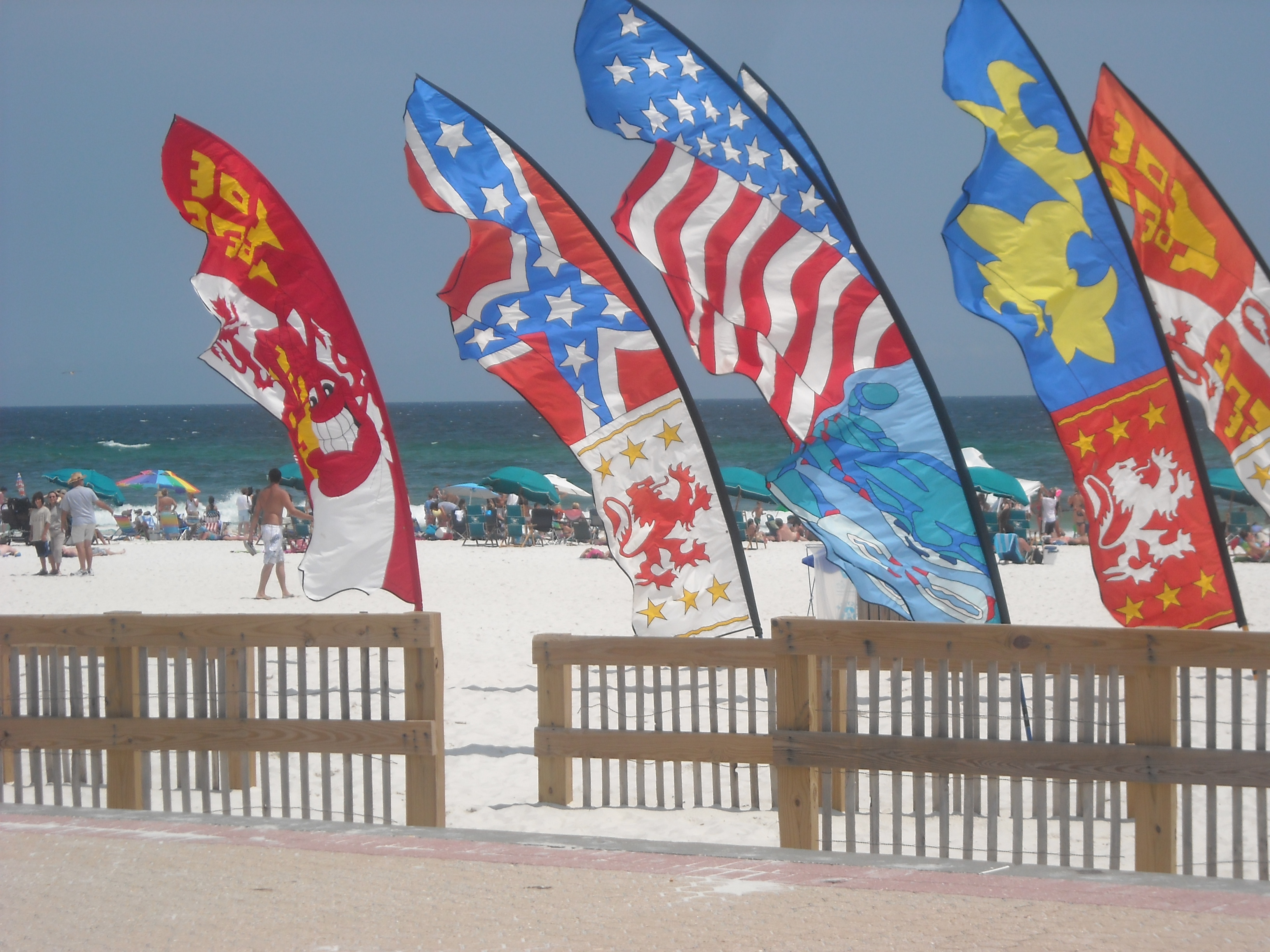
Pensacola BeachMy parents moved to Pensacola as retired military. Nearby Pensacola Naval Air Station gave them access to the commissary, officer’s club, and other amenities. They were smitten, as are so many visitors, with the incredible beauty of the Gulf coastal region and relaxed Southern lifestyle.

After moving to Tucson in 1999, I began annual treks to the beach and back, linking me to what at first glance appears to be environments at opposite ends of a moisture continuum: desert to marine systems. But I began to find uncanny parallels:

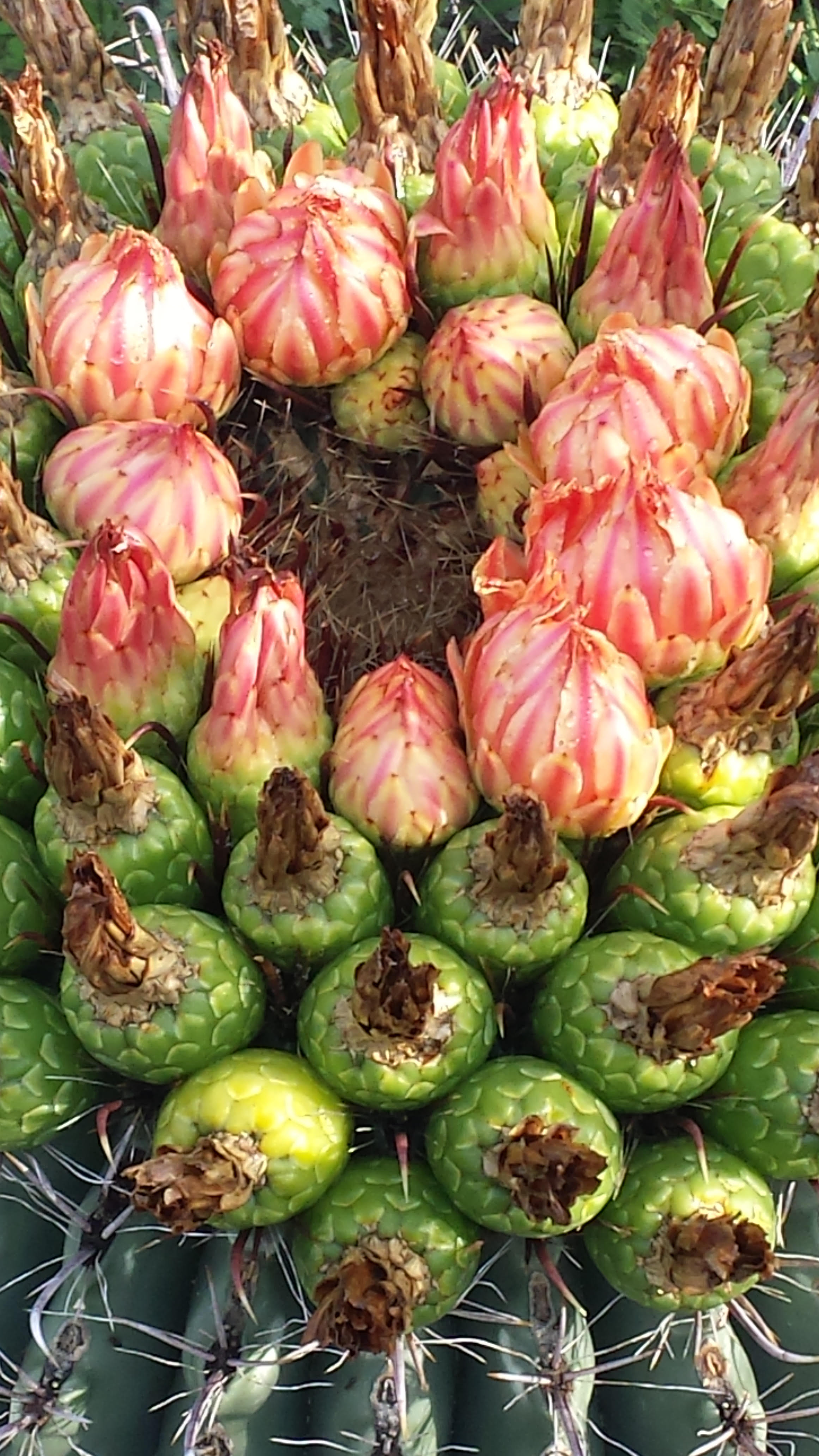
  • Barrel BlossomsThe spectacular high desert of Tucson with its tropical blooming cacti and tall saguaros, evolved from a subtropical environment as recently as 8,000 years ago – America once had a large inland sea in the Midwest;
  • The Gulf and coastal environs evolved from a dry savannah that supported lions, elephants, and other megafauna that thrive in dry, hot weather;
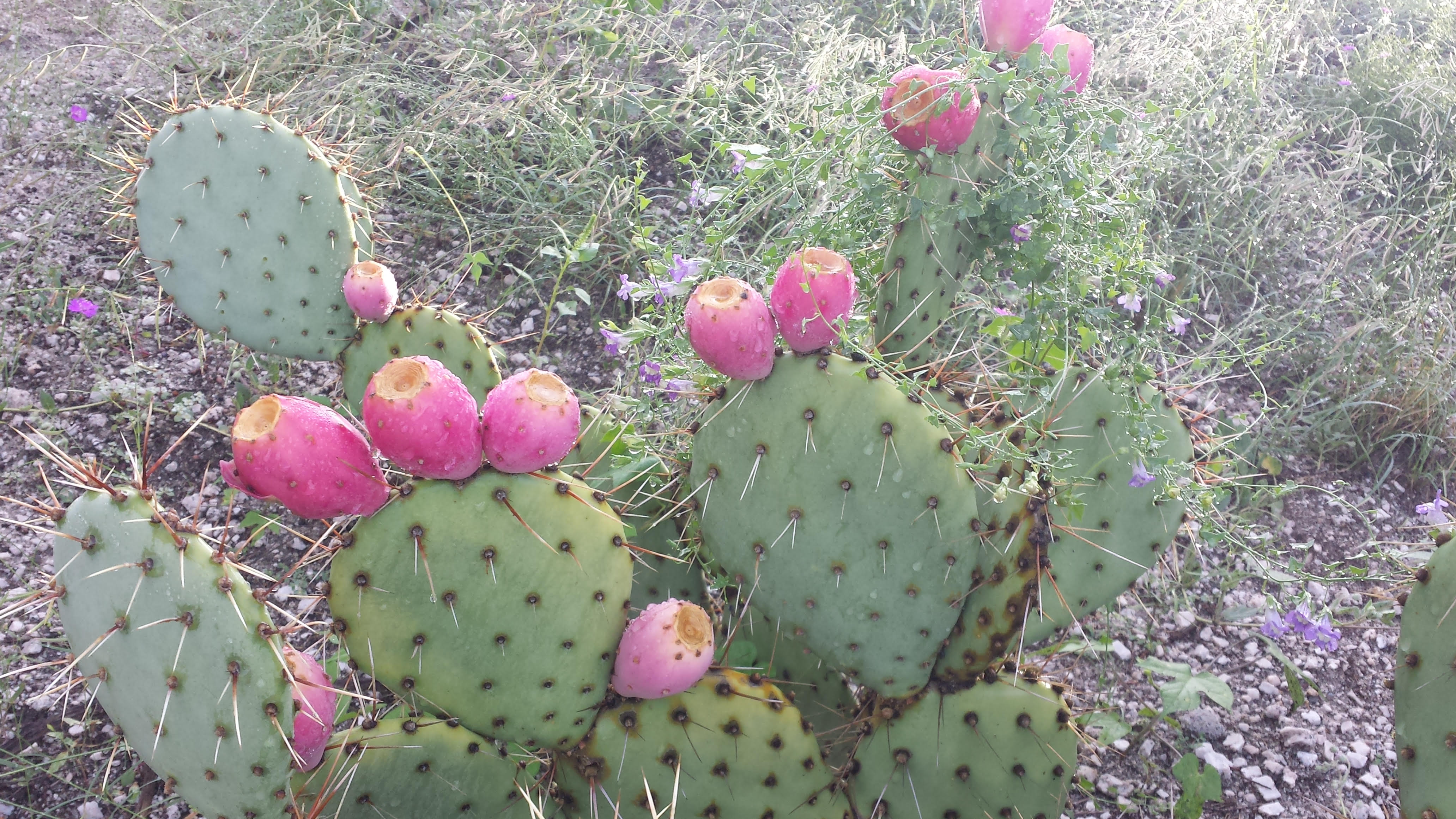
  • The desert hills of Tucson and the sugar white dunes of Pensacola both support prickly pear cacti and similar species of horny toads!

    Prickly Pear Fruiting
    Prickly Pear Fruiting

I also found that we are on very close latitude lines: Tucson is   32.2217° N and Pensacola is 30.4213° N.


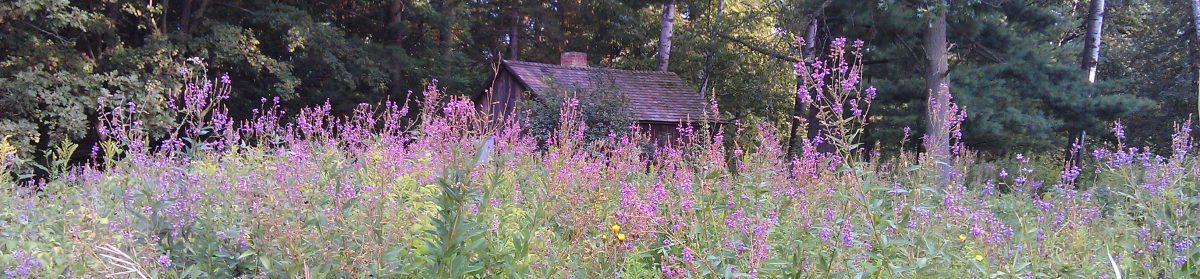
Where I live!
Where I live!

Strains of Jimmy Buffet come to mind:

It’s those changes in latitudes,
changes in attitudes nothing remains quite the same.
With all of our running and all of our cunning,
If we couldn’t laugh, we would all go insane.

The Tucson Ghost of Times Past

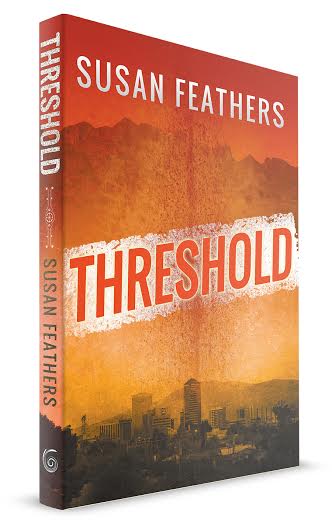
Readers know that I’ve been blogging about an uncanny web of contacts and events that keep me ever tied to Tucson. Last week I wrote about how I became friends with a fellow ex-Tucsonan through our mutual membership in the West Florida Literary Federation. We both settled in Pensacola never knowing each other while in Tucson.  Threshold book coverVictoria became an important part of the writers who helped me while I completed Threshold which will be released in November by Fireship Press in Tucson.

ANOTHER UNCANNY TUCSON CONNECTION

While assisting the West Florida Literary Federation to bring two major New York City poets to Pensacola, I learned that one of them – Barbara Henning – lived in Tucson (while I was there) and was on the faculty at the University of Arizona Poetry Center. This link to the Poetry Center features a series of upcoming readings by poets with the focus on climate change which is the subject of my novel. I plan to attend Joy Harjo’s reading and then stay on in Tucson to promote the release of Threshold which means I will miss Barbara Henning’s performances and workshops in Pensacola during the Foo Foo Festival — our local celebration of arts and culture.

What is it that draws people to Tucson? To Pensacola? Check back soon to read “A Tale of Two Cities” and my migratory route between them over a 20 year period.


What the military knows about climate change…

350 Pensacola will host a talk by Brigadier General John Adams, (U.S. Army, Retired) on April 12.  He will discuss how the U.S. military is making plans for climate change at home and abroad.

When I worked in the Office of Research and Sponsored Programs at the University of West Florida, I reviewed grant opportunities from the various military branches for research related to climate change. Going back to 2010 when I began serving UWF as a Senior Grant Specialist, I became aware that our own military was well “down the road” in planning for climate change. In contrast, our city and state were hard-pressed to let the words climate change leave their lips.

This disconnect is critical to American citizens working in their own communities to help plan for climate change.  Check out these sites below to see what our military is doing to prepare to mitigate climate change, and be sure to mark April 12 on your calendar. Go here for time, location, and more about General Adams’ lecture and discussion.

U.S. Military Links

Department of Defense (DoD)

Center for Climate and Security