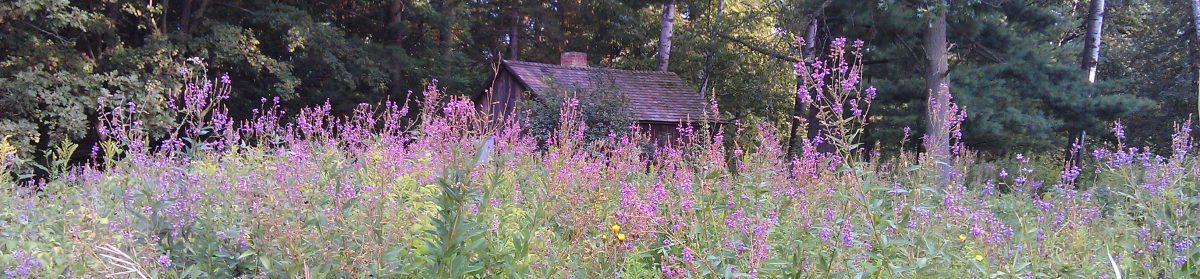
Nature teaches more than she preaches. There are no sermons in stones. ~ John Burroughs
In 2024 my daughter gifted me a small book, John Burroughs, The Gospel of Nature published by Applewood Books. The book is part of the American Roots series of books published by Applewood. It is a treasure that can be carried in your pocket as you take your walk in the woods.
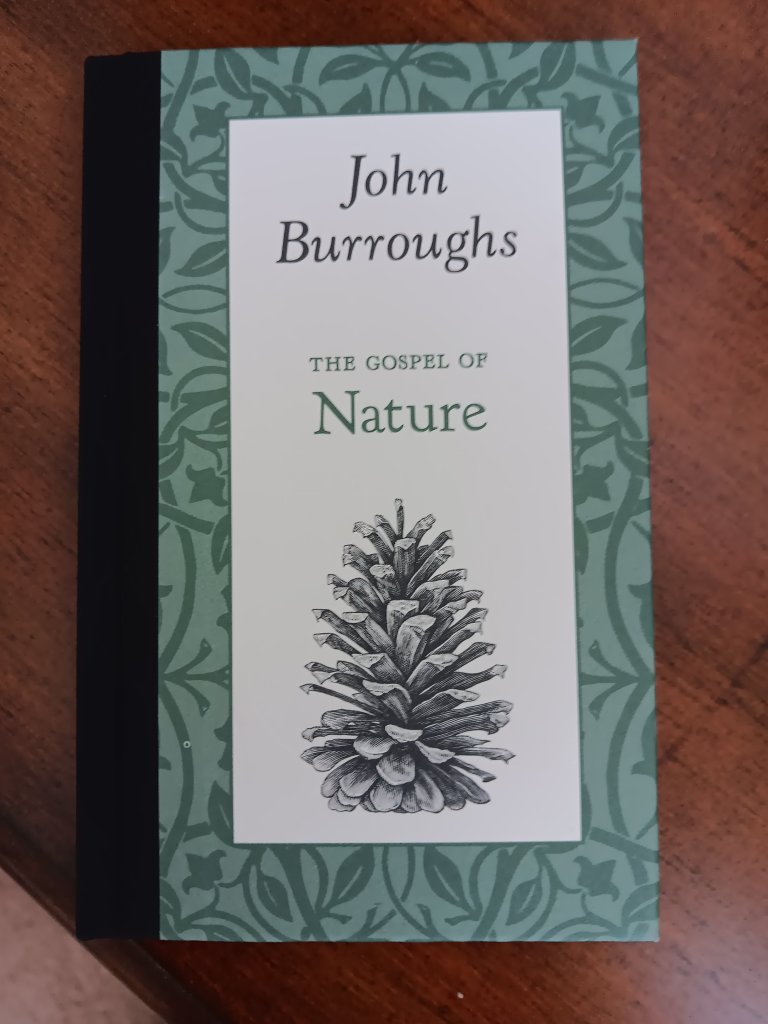
Nature writing is an American tradition and we have many great writers who have each been inspired by this wonderful land we call America.
At present, however, we have leaders who look upon our most iconic landscapes only for the minerals or forests to be exploited for industry and profit. Many of our public lands are vulnerable today due to legislation signed into law by our current president and Republican party. The president has devoted most of his business career to exploitation of people and places. Now in this 250th year anniversary of our nation, we are understanding the full impact on the values we have enshrined as fitting – for our Republic. We as yet know whether the American psyche and will can withstand the forces of anarchy that currently pillage our natural and economic treasure. My own belief is that liberty and truth will win out. I just hope I live to see it.
To salve my broken heart I turn to nature. Below is a first draft of A Long Walk in the Woods, a memoir I am crafting which is almost entirely based on the principle that the land where we live forms much of our character.
Introduction
It began in Tennessee.
As an infant “the woods” encompassed a living room, and my bare feet searched for purchase only months after my arrival. From there to the front yard, and much later to the street on a Schwinn bike. My paternal grandparent’s farm in nearby Watauga served as a touchstone. All the while my body stayed close to the soil, the trees and the miraculous creatures of ground, water, forest and air that delight youngsters who are awake to the Creation.
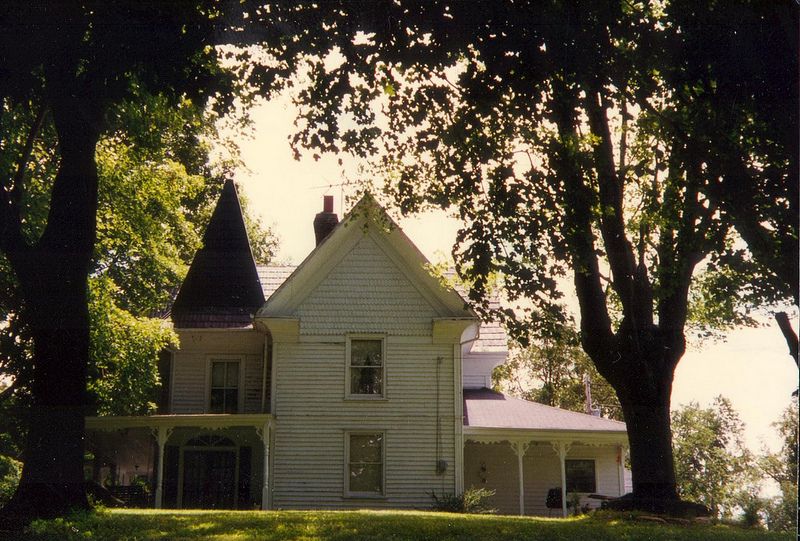
The Watauga House, still unfinished in 1906, was purchased for $600 when my grandparents were married. My grandfather and uncle finished the interior. Here it is today still maintained in its classic beauty:
I was born into a military family so my adventures were destined to encompass “the woods” of a continent. For eight decades I’ve been in discovery of “woods” and curious about the humans who call them home. These stories are a memoir of hope and conviction that we can restore “the woods” when we realize we are a part of them.
Awareness of “woods” is present in the body as we grow up and all through our lives. Each infant comes equipped with knowledge of Earth begun in their Mother’s body, listening to the sound of her voice and the beating of her heart. All through gestation, a newly developing life gains greater awareness of interconnectedness, i.e. association, as life-sustaining and that awareness persists in us to our death. It may dull over a life in which a child is not afforded access to the greater scope of nature, and it can also be deaf or blind to the life-giving natural world by living in unnatural conditions. Parents must cultivate that essential knowing though wonderment and exposure. Every little person should touch Earth soon after birth. Feet in the warm soil, face in the sunlight and breezes, a garden of scents and color, or a puppy are delightful means to the know the “woods”.
Though I currently live in an urban environment, I consciously seek out little havens of nature and there are plenty: a simple window box of flowers, the deep grass in an unmown lawn into which we may roll in its cool embrace breathing in the scents of plant and earth. Other “woods” may be:
- A bench on a trail in a botanical garden under shading trees;
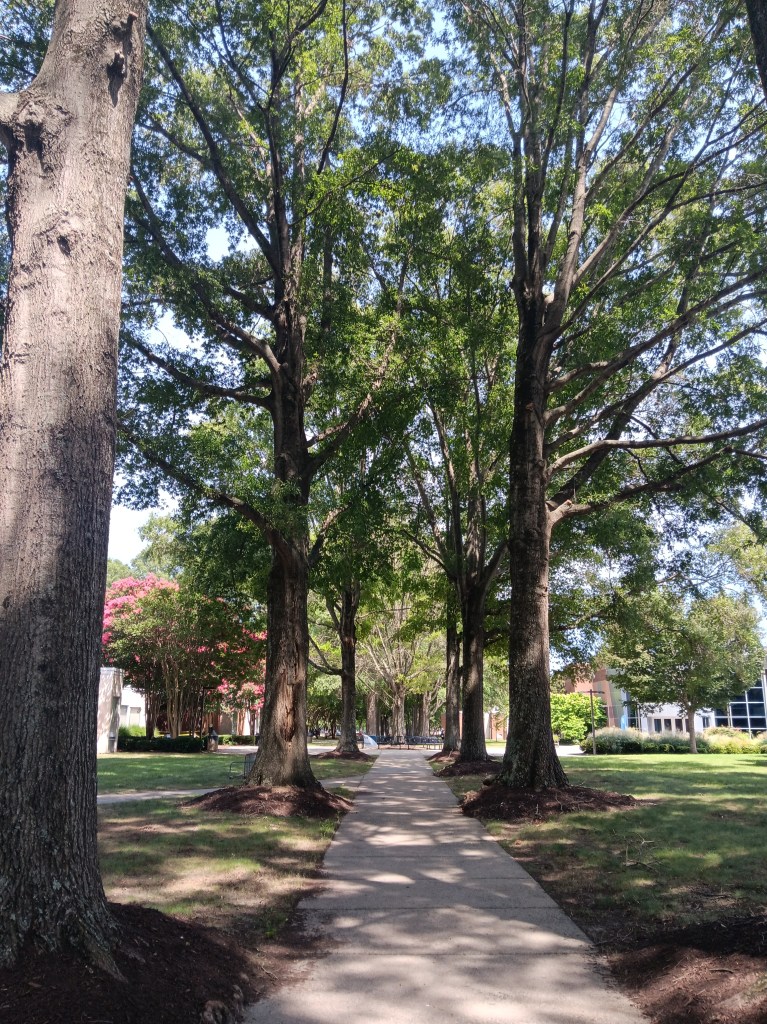
- A walk in an urban forest animated by birdsong or cicada choruses;
- The wonder of farm, field and stream; a vibrant farmers’ market among neighbors;
- The fragrance of upturned soil basking in the noonday sun in your garden;
- The joy with friends on a golf course edged by trees; the feel of spikes penetrating the closely mowed green and the scent of rich earth underneath;
- A long walk on the beach where white sails fly and skimmers dip and dine;
- The lovely song of a Carolina warbler that cheers the heart;
- Fishing along a stream, lake or ocean; plop of frog and buzz of dragonfly wings;
- Light playing through water or rainbows sparkling across the mist from a sprinkler;
- Rain on a hot day with the window open and the curtains afloat;
- A teacup tidepool of hermit crabs and keyhole limpets on a rocky beach.
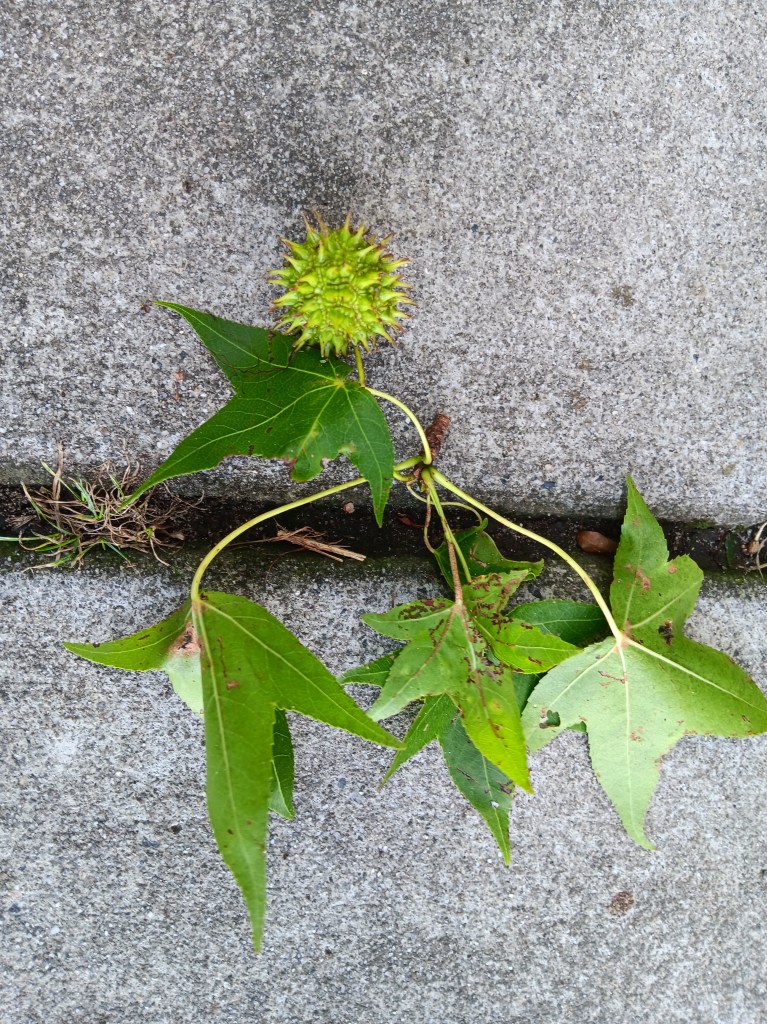
The fact is every living being is born of nature. We “recognize” its features, scents, and touch in myriad ways because we all belong to the same Mother. We are all made of the same “stuff”. Wherever I have resided for a time, there are perceptible Earth energies, no matter how much concrete may lay over it. That lovely little plant will find its way through a crack in the surface, or a tree root lift that sidewalk. I cheer my kin on!

 Susan Feathers