Aldo Leopold on the Colorado

Aldo Leopold has been a lifelong inspiration for me and someone whose writings I turn to often.  For the first time, however, I am reading Round River, published in 1953 by Oxford University Press.  The second chapter, The Delta Colorado, chronicles his trip with Carl Leopold on the Colorado Delta region below the U.S. border starting in San Luis and going deep into a wetlands wonder before the Hoover Dam caused its long slow death.

What struck me were two things: 1) the amount and variety of wildlife that dwelt therein (now vanished or reduced to small numbers), and 2) the amount of game it took to keep two grown men from hunger.  Leopold’s daily journal entries are fun, informative and definitely from a “guy’s” point of view.  He’s getting to know the land by hunting, canoeing, hiking, and exploring its contours.  They meet and try to talk with a Cocopah youth on horseback – unheard of today in that region.  The record is point-in-time, when that region and all its communities were at the brink of massive environmental and cultural change that most did not fathom.  Up stream three hundred miles near Parker, Arizona the realization of other men’s dreams would radically change the lives and fortunes of many by siphoning off water for development in the seven states of the Colorado River Compact.  Ironically this agreement was signed the very same year Leopold made his now famous trek.

Round River is a collection of lyrical prose.  Leopold is one of our best writers in this genre.  Sometimes I just read his works for the sheer joy of its language and easy style.  This little book of essays includes many gems including one about the nature of hobbies (A Man’s Leisure Time) that is still instructive today:

A good hobby may be a solitary revolt against the common-place, or it may be the joint conspiracy of a congenial group.  That group might be the family.  In either event it is a rebellion, and if a hopeless one, all the better. ~ p. 8, Round River, 1953, first edition.

Return of the Mother Turtles

Each spring and early summer loggerhead turtles repeat an ancient journey linking the Atlantic and the Gulf of Mexico.

The Gulf Coast along Florida, Alabama, Louisiana, and Texas is the birthing grounds for four of the world’s species of sea turtles.  Historically mother turtles arrive along Pensacola’s barrier islands from late May through end of August.  Loggerheads, the largest of the species, leave tracks that look like tread marks left by industrial sized tires.  These heavy mom’s are sensitive to light and the slightest elevation in the land.  Turtle moms crawl under moonlight up the dunes, dig a well with their back legs, and then deposit up to 100 round, pearly eggs, covering it over as they return to the sea.  The egg encased young mature in the warmth of the sand, hatching about 7-8 weeks later with the task of removing the sand, clawing their way to the top and onto the beach where they instinctively are drawn to flickering moonlight on the wavelets.  Along the frantic rush to the water’s edge and relative safety in the sea, birds, crabs, raccoons, and other predators may have them for dinner or breakfast.  This form of reproduction depends on broadcasting large numbers of progeny to counter the low odds for survival.

Volunteers with the National Park Service help increase the odds of survival by guarding the nests until hatching, then help infants make it to the sea.  See Barrier Island Girl blog for more information and wonderful photography by D.J. a Pensacolian involved in Turtle Conservation through the Gulf Islands National Seashore and her active participation in local culture and family events and natural rhythms.

See Caretta caretta…no, it’s not a song on this blog for more natural history information and conservation issues.

Photo from Defenders of Wildlife Website, National Oceanographic & Atmospheric Administration. Go here for an excellent summary of the critical conservation issues for loggerhead turtles and Florida coastline development.

Oceans, Bays, Rivers of Life

Today I placed a Social Vibe charity widget on my blog to support the work of The Surfrider Foundation. My goal is to bring attention and resources to a citizen’s advocacy network that is making an impact worldwide, but that is also represented here in the Emerald Coast’s chapter by surfer and nature advocates.

Today I placed a Social Vibe charity widget on my blog to support the work of  The Surfrider Foundation.  My goal is to bring attention and resources to a citizen’s advocacy network that is making an impact worldwide, but that is also represented here in the Emerald Coast’s chapter by surfer and nature advocates.  We each have a natural interest in sustaining the foundation of life on Earth: water.

Whether saline, brackish or fresh – bodies of water create oxygen, absorb carbon dioxide, clean toxins, and spawn untold generations of life at the base of numerous human food and economic resources.  The awe-inspiring beauty, complexity, and biodiversity in the world’s oceans can still be found across our planet, though diminished.  Science is uncovering that ocean acidification and warming are causing changes in basic processes such as shell formation in marine invertebrates at the base of food chains.  Changes from more localized impacts like the British Petroleum Deepwater Horizon Oil Spill, are harder to follow but observed by many local beachcombers and surfers including moi.

Our coastal communities with the state and federal governments are engaged in major economic diversification efforts for the reason that remaining a tourism-dependent community leaves us vulnerable (Restore the Gulf).  Human error robs us of the certainty that our oceans and watersheds can provide us the beauty, food, recreation and inspiration that humans have relished for all time.

The Surfrider Foundation in Pensacola has joined the Florida Wildlife Federation campaign (Save our Seas, Beaches and Shores) to place a ban on offshore drilling on the November 2012 ballot.  They need to collect 700,000 verified petitions.  Go to this link to download a petition and fact sheet.

See the Ocean Conservancy for more on the health of our oceans overall and for their reports on the Gulf ecosystems post BP Oil Spill.

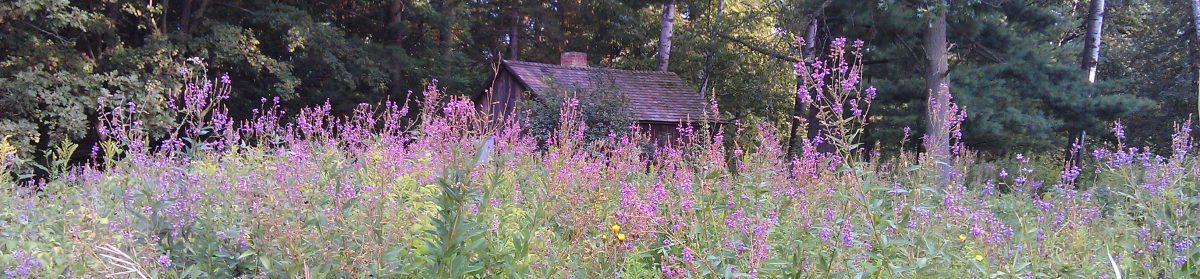
Ode to a Mountain Cabin

To find a mountain cabin.

To go there to listen, walk the trails, revel in its forest.

To sit among old logs, the musk of ashes from long ago

Winter fires in a large stone hearth.

To be…still.

Thunder, rain, rivulets running down the stones

Converging in pools; to know the rhythm

Of Earth again.

To want to give again,

To feel filled-up in heart as well as mind.

Body waits return of soul.

Reviving “Sense of Place”

Rachel Carson’s assertion that a child must first form an emotional attachment with nature before he is willing to protect nature is an assumption in the sense of place movement.

When the education community was “atwitter” with the concept of a sense of place (1990s), I was an environmental educator in Arizona.  Much of the theoretical basis for this movement derived from studies that showed increased learning from experiential education (out in nature, hands-on, etc.)  Rachel Carson’s assertion that a child must first form an emotional attachment with nature before he is willing to protect nature is an assumption in the sense of place movement.  A National Endowment for the Humanities article by William R. Ferris (1996) is an excellent statement of the importance of place in human development:

Each of you carries within yourself a “postage stamp of native soil,” a “sense of place” that defines you. It is the memory of this place that nurtures you with identity and special strength, that provides what the Bible terms “the peace that passeth understanding.” And it is to this place that each of us goes to find the clearest, deepest identity of ourselves.

As Ferris explores the critical importance of the arts and humanities in education he offers a ten point plan that addresses the problems we face even now in 2012 (16 years later):

Those in politics have voiced their concern over the impoverishment of American life and values, but no one has found an answer to our problems. I suggest that the solution lies in the indigenous culture about which Alice Walker wrote, the familiar worlds into which we each are born. We must study and understand the worlds that make each of us American and through that journey we will renew American culture.

What is that postage stamp of place that makes you who you are?  Please share more and I also suggest that readers visit the link above to the Ferris article. Other resources to explore are:  Children’s Nature Network, A Sense of Wonder (film), The Solace of Open Spaces by Gretel Ehrlich.

Thriving is not just surviving!

In 2008 I moved from Tucson, Arizona to Pensacola.  I’d spent 20 years in the Sonoran Desert, writing and photographing the beauty of the high desert with its myriad cactus sculpture which bloomed in psychedelic orange and magenta, brilliant red or pink flowers each winter.  From the driest, withered-looking plant, desiccated by the hot summer, emerge magnificent blooms that feed the birds, bats, and bees. It always seemed miraculous to me until I  understood how plants adapt to the dry lands.

The famous saguaro cactus is pleated so that on hot days a shadow is cast to keep the plant cool, and the structure is such that when it rains, the saguaro sucks up surface rain across a wide area through its shallow root system.  The pleated trunk expands like an accordion, gradually releasing the water to its cells over the dry season until the monsoon rains bless the landscape once again.

Dr. Mark Dimmit, Director of Living Collections at the Arizona-Sonora Desert Museum exclaims, “Desert plants do not just survive, they thrive through their seasons.”

How can we as a community living through hard times thrive instead of just coping, just surviving?  This is on my mind today as we set out into the year 2012.  How can we thrive?  There is something spirited about this approach—enabling us to bring forward all that is best in us, clever, joyful and resourceful.

What would that look like?  The new Admiral Mason Park storm water reclamation pond is a good example of what we can do to turn a site into a multi-use location with beauty and outdoor exercise tied into it.  Dedicated in 2011 adjacent to the Veterans’ Memorial Park, it now serves as a beautiful entrance to the city, a place to read, meditate, or just walk and bike.  As the eight live oaks grow and cast their shadows on the 3.5 acre pond, it will season into a place of beauty to honor our veterans.  After building the Aragon community the need to mitigate storm water became evident.  We combined ecosystem function with the human need for places of inspiration and physical exercise.

Another example of what we can do is the children’s recreation area at Lucia M. Tryon Branch Library.  Now that the playground, trees, and pond are in place, it will evolve into a natural habitat that attracts birds and bees and people to its lovely walking paths and to the many opportunities for kids to practice rock climbing, pretend play in the big pirate’s ship and watch fish and ducks through the tall reeds that line the pond.  It will become a place where children and parents are immersed in nature.

At UWF President Judy Bense is planning to build residential halls that are models of sustainable energy design with ecosystem services leading the design.  Living in an energy smart building is a teachable moment.  The UWF School of Science and Engineering was built to foster interdisciplinary collaboration.  Its design is the highest LEED standard for construction.  The environment stimulates creative thinking.

We might also think about going further by shaking off standard incremental improvement to design buildings that act like ecosystems.   Jason McLennan, architect at Kansas City-based BNIM Architects, is known for “living building” design.  To be certified as a living building (park or street) criteria in seven areas must be met:  site, water, energy, health, materials, equity, and beauty.  With Gulf Power’s support for geothermal energy designs, we have an opportunity to build something revolutionary next time we begin the design process.  We’ll save energy, restore environment, improve our health, offer good jobs to people who are most in need and involve students in learning futuristic planning while creating a surrounding that makes us feel great.  What could be better?

In 2012 I challenge myself and my fellow Pensacoleans to stop, wait and consider with each decision before us, how could we plan and act together to thrive- not just survive-in the New Year and decades to come?

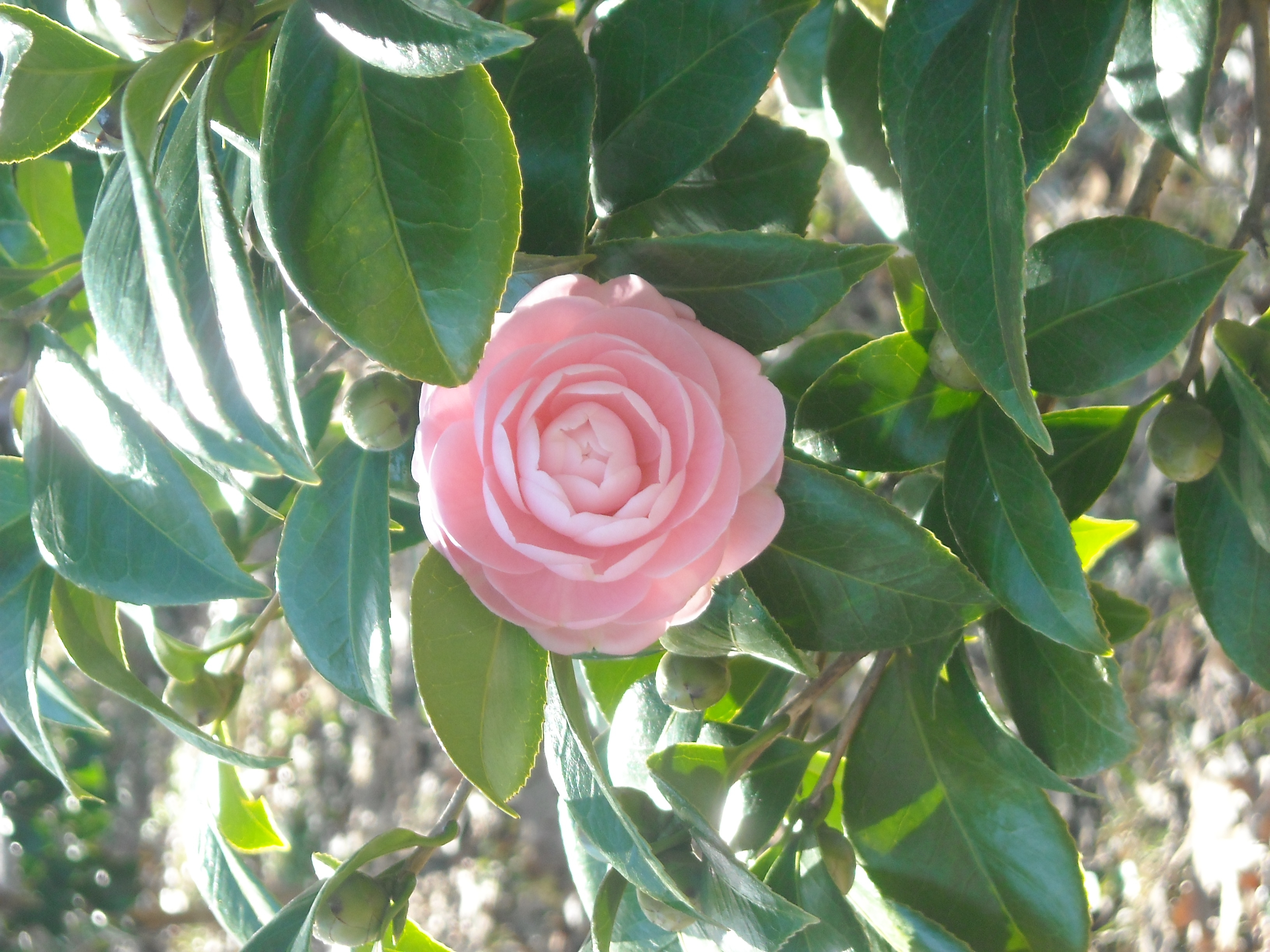
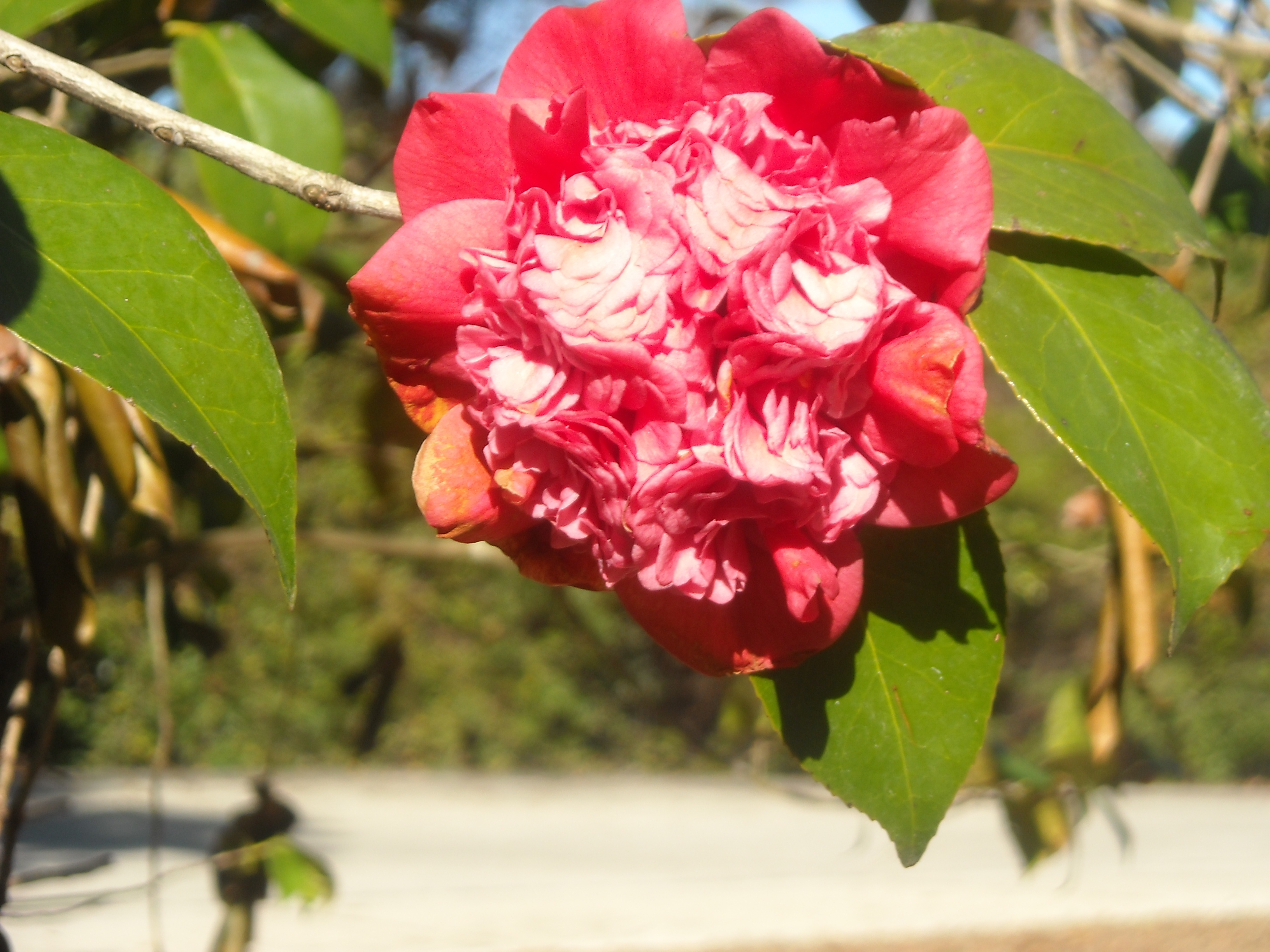
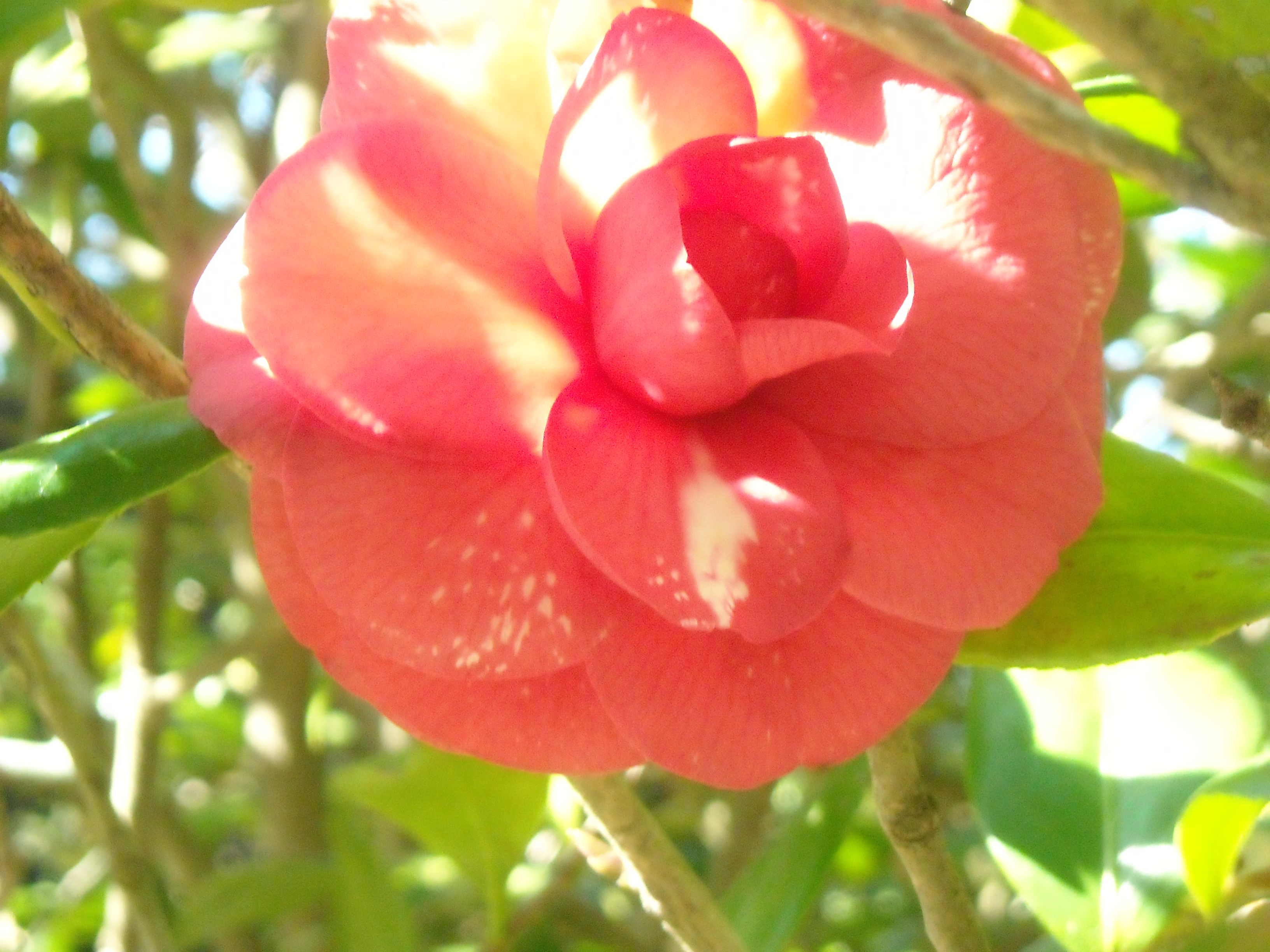
The Camellia Blossoms in Pensacola

Pensacola is home to America’s oldest Camellia Club, founded in 1937. I had the rare privilege of listening to Gordon Eade on Friday afternoon on the campus of University of West Florida. Gordon is a retired UWF faculty member and active in the Pensacola Camellia Club. In fact as we walked around the UWF Camellia Garden (established in 2007) he told me story after story of the plant’s namesake and showed me three varieties that he himself cultivated.

These photos were taken by moi last winter at UWF before I knew anything about the garden or the club.  I just love the UWF campus—festooned with giant oaks with trains of silver moss above our heads as we walk to the office or to class.  Azaleas, crapemyrtle and of course, camellias make me joyful no matter the cares of the day….

The First American Democracy

“The future is a construct that is shaped in the present, and that is why to be responsible in the present is the only way of taking serious responsibility for the future. What is important is not the fulfillment of all one’s dreams, but the stubborn determination to continue dreaming.”

~ Gioconda Belli, The Country Under My Skin

Nothing can replace the act of seeking knowledge for oneself. I can read about it, have it explained, or live it through another person’s experience, but in each case I see it incompletely, like the blind man holding the elephant’s tail.

For Americans eighteen and older this has never been more relevant.

In 1990 I sought to learn about our nation’s first people by going to them. I left a high profile position at a well known institution, sold or gave away most of my possessions, packed up my pick up, and traveled to a dusty border town trusting my inner compass. There was a man and woman who agreed to take me on as an apprentice and student to help me understand American culture and my own life’s course through an examination of my country’s historical relationship with the First Americans and with the land, water, air, and wildlife of the North American continent.

Why did I do that, you may wonder. I had come to the realization that instead of my nation being a beacon of light in the world, it was in fact an empire to many other nations and peoples whose cultural beliefs and lands were at odds with ours.  How could there be hunger in a land of plenty? Why were democratic rights applied conditionally to members of our own society and in the world – and my culture accept that? How could we destroy the great natural beauty and abundance of our lands even while extolling how much we love it?

It made no sense to me and created a pervading sense of living a lie. I remember the unreality of my life then as I drove to work where architecturally beautiful buildings and the expansive green of a golf course tumbled down to the deep blue of the Pacific ocean. My day was stressful administering programs at a world renown health care facility where patients—banged up in the American market wars and social striving—suffered from heart problems, addiction, or complications from obesity.

One day I sat looking out the picture windows of my corporate office on a singing blue-sky day in southern California. Internally I felt lost and weak.  My eyes settled on a book that had lain unread on my shelves for many years:  Touch the Earth (T.C. McLuhan.) It is a book of Indian values from Indian voices.

At the first reading I experienced a profound sense of sanity return to me. In them I found a direction to pursue the answers to my deepest questions. I became aware of a pulsing hunger at my core for this knowledge, like something precious lost and then vaguely rememberd. Could it be that we have within us the knowledge of past human wisdom buried in our brains at birth? Looking back now, I realize that I had no choice but to make the decisions that led me to seek guidance and leave all I had known before – to clear the decks and make way for something new.

The next three years of living in the daily presence of two American Indian educators (one a Mojave elder, college professor, Korean veteran and social worker; the other an Iroquois artist and musician.) Their guidance changed the way I see myself and the world around me. I still believe the experience made me a better person. But the story of how that evolved is a hard one and definitely not what I had expected. The path to self-understanding is a crucible where falseness is burned away and a tender new skin grown. It requires humility, determination, and humor. It is anything but glamorous.

I hope you will return to my blog for journal entries about my experiences. Until then, here are some links to explore:

The First Democracy: the Haudenosaunee

Basic Call to Consciousness

What Does It Mean?

The Earth Charter

American Pubic Media “On Being”

I know that my discovery of “On Being” at 6 am on my local public radio station, WUWF.org, reveals just how out of it a person can be in a world with a cornucopia of media sources. Apparently the program has been broadcasting since 2008! However, humbly, I submit this link to this interview with Terry Tempest Williams.

The recorded podcasts on their main page are a treasure trove of some of our greatest spiritual voices and cultural innovators. This might be a very good way to “reset” your moral compass after a day or week out on Main Street.

Krista Tippett is the moderator. The link above to the unedited discussion with Terry includes many personal statements by both Terry and Krista that give additional insights into their focus and personalities.

I’ve been reading Terry’s books, blogs, and following her activities for the last 15 years. I am convinced that she is on the forward edge of an emerging sensibility that seeks to bring together divergent perspectives in American culture  for open dialogue and understanding. She gives numerous examples of how she personally is able to sit with people who hold opposite points of view and learn from them and stay in the dialogue….

If you read one book by Williams, read Refuge. You will understand then how Terry weaves the deeply personal, landscape, religion, spirituality, politics and the art of dialogue. This perspective might be similar to present and previous Earth – focused cultures  (e.g.  native cultures worldwide; ancient earth-based cultures.) However, what is evident in this interview and many others on the site, is an emergent blend of our best past and present thought. There is a heightened awareness of something much greater than ourselves, the issues at hand, and what we can perceive.

Listen and learn from a person who has learned to stay in the crucible of conflict and transform it into something of beauty….

Hope Beneath Our Feet

Hope Beneath Our Feet, Restoring Our Place in the Natural World is a new anthology of essays by authors who responded to this question: In the midst of environmental crisis, how can we live NOW?

I am unabashedly promoting the book because I am one of the authors. To be published along with the writers and thinkers to whom I have turned for inspiration over the last twenty years, is a huge honor for me. Some of these mentors are: Frances Moore Lappé, Bill McKibben, Wendell Berry, Barry Lopez and Howard Zinn.

The book’s genesis is the work of Martin Keogh, its Editor.  In the forward, Martin describes how his children expressed a sense of hopelessness about the future as they considered climate change or nuclear war—challenges that dwarf our sense of being able to make a difference. He wondered how human beings can keep hope and live well in very uncertain times. In 2006 Martin issued a call to writers to submit an essay answering the question above.

The book is published by North Atlantic Press and is now in its third printing – barely a month after its release.