Family, friends, nature, books, writing, a good pen and journal, freedom of thought, culture, and peaceful co-relations - these are the things that occupy my mind, my heart, my time...
This video of an interview with Rebecca Solnit, columnist with Harper’s Magazine, prolific author on climate change, environmental issues, and other culturally relevant issues, is a clear point for those of us who feel disoriented by the sweeping changes being made in D.C.
From this interview on Democracy Now on March 28, 2017, this excerpt is most important for those of us who are engaged in resisting the dismantling of hard won environmental protections and action on climate change. I recommend listening to the whole interview at the link above. Solnit has a comprehensive perspective on “where we are” and what is the work now.
What concerns me, after 30 years of activism, is that a lot of people will think, “Well, we did something today, and we didn’t see results tomorrow.” So one of the things I’ve been writing about for The Guardian and elsewhere is just trying to remind people that this is a long process, that we may be in, you know, the early stages of really redefining what democracy is going to mean in this nation, reforming the systems that were already moribund and stagnant before—you know, Trump is a consequence of a dysfunctional system, not a cause of it. So we have enormous transformative work to do. And people are actually doing it. If we keep at it, if we’re smart, if we’re skillful, if we’re more passionate about solidarity than the kind of perfectionism of nitpicking small differences, I think that extraordinary things could happen, not that they’re guaranteed. It depends on what we do. But it’s an exciting and even exhilarating moment, as well as a heart-rending and terrifying one. And those things can coexist.
A friend of mine, Mark Hainds, is a forester and author, who has challenged himself to walk the entirety of the U.S. – Mexico Border. In doing so, he is noting the conditions of the landscape, meeting the people who live there, the people who are passing over the border in hopes of a better future, and experiencing the deep peace from long hours of silent walking. Be sure to visit his site above.
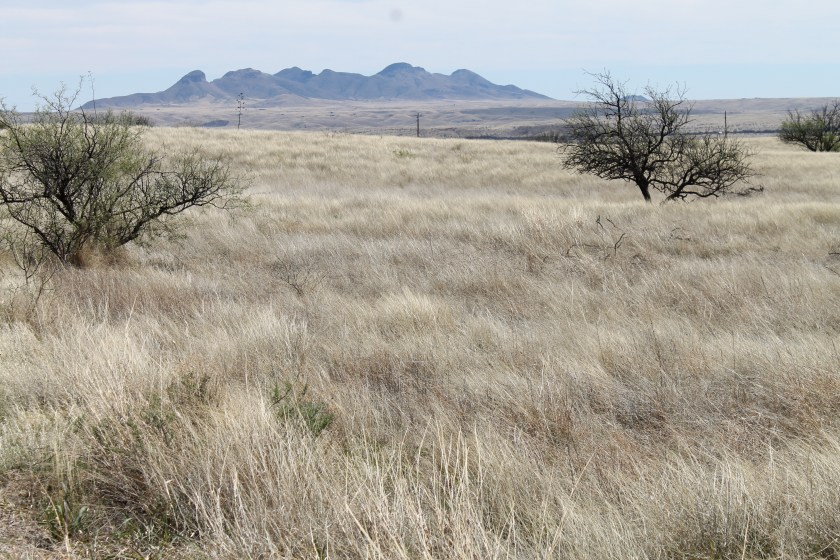
On Friday morning I dropped him off at mile marker 40 on highway 82 near Sonoita, Arizona. This is grasslands – basin and range territory – home of historic ranches, antelopes, and hardy people who love the land.
Grasslands of SE Arizona
To a visitor is can seem very still but to locals who know its subtle changes, it is an exciting place to call home.
Patagonia Lake State Park
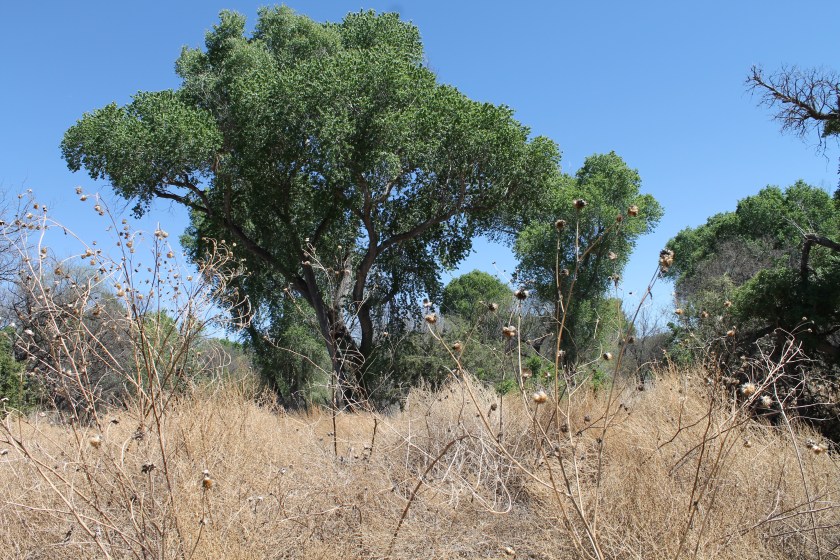
Luckily, the Nature Conservancy and the Bureau of Land Management had foresight to preserve large tracks of riparian habitats (those areas where water flows near the surface of the ground, and in wet seasons, runs in streams and rivers). When you gaze out across expansive grasslands and see a line of bright green trees, you have found water.
Cottonwood Gallery Forest
Today I followed the traces of water across the landscape by looking for those trees. While I walked the fields and paths, small herds of tawny pronghorns on far hills bounded in the high grass, white rumps flashing in the sunlight.
At the historic Empire Ranch, I listened for the voices of families, ranch hands, and cowboys lingering in the old structures of the house, cottages, corral, and barn.
Old BarnEmpire Ranch Grounds circa early 20th century
Wandering the paths into a cottonwood gallery, I felt spirits walking next to me. A time gone but with lingering energies, whispering to us modern day visitors.
What are they telling us?
Would it be a cautionary tale? The ranch was passed through many hands, each family working it for 35-50 years, then to developers, and finally into the protection of the U.S. Department of the Interior.
Yet these images show a time gone by, when the big cattle ranches reigned, and then died as water receded, and the demand of beef declined.
Perhaps we live in a more enlightened time. But, that remains to be seen. Will we remember the lessons of the past, or are we doomed to repeat mistakes with forgotten memories?
The ghosts of the land whisper to us. What are they telling us?
One whose spirit speaks to me is Aldo Leopold: “Conservation is getting nowhere because it is incompatible with our Abrahamic concept of land. We abuse land because we regard it as a commodity belonging to us. When we see land as a community to which we belong, we may begin to use it with love and respect.”
Well, that second novel has been “cooking” in my mind for many years, and builds on years of experiences that reach back to 1990. That year I moved to Yuma, Arizona to teach middle school students at Crane Junior High School. Yuma first introduced me to the Sonoran Desert, and naturally, I experienced the hottest part of it first. Yuma temps that first summer hit 122 degrees Fahrenheit. My friends and neighbors taught me how to stay safe while traveling, and how to get out early in the morning before the heat made it impossible.
All around the school and neighborhoods where I lived, agricultural fields stretched out in long even rows with canals as borders, while row upon row of blue water soaked into the ground, evaporating in the intense heat. Surrounded by a sea of broccoli, my school was embedded in the large-scale industrial farming operations in which many of my students’ parents labored. On these intensely hot days, I wondered at the ability of human beings to endure hard labor in those fields.
AZ Agriculture Photo
Then, the fact that the water came from the high Wyoming plateaus and Rocky Mountains was only vaguely in my awareness. Precious river water poured down through deep canyons into the dams that controlled the North American Nile, and by a complex system came to Yuma and the Imperial Valley to grow 90% of America’s leafy produce between November through March. Then, I was focused on my students’ daily struggle to learn and grow up under harsh conditions of poverty and discrimination. But, all around us was a BIG STORY about a river, its people, and how it came to be the most controlled and overused body of water in North America. Indeed, the Colorado River is so over-allocated that it no longer winds its way to the Gulf of California as it did for thousands of years. The magnificent delta region, one of the world’s largest and most productive wetlands, literally dried up and died.
This is the subject of my second novel, The American Nile: Voices of a River and Its People. I am working with a talented editor and should have a solid draft completed before I return home from Tucson in late April.
In Threshold, Dr. Carla Connors takes a 2-yr sabbatical from her job as a climate scientist to learn from ethnologists at the Mission Garden in Tucson who are growing heirloom seeds to test for viability in new climate conditions, while demonstrating many previous cultures’ farming practices in their Timeline Garden.
Carla investigates the potential of plants to sequester carbon from the atmosphere and deposit it into the soil. While this is a normal activity of some kinds of microbes in the plants we call legumes (barley, soy, clover), she wants to know if the ways farmers planted, grew, and harvested crops actually may be important clues to how farmers might help stem global warming.
Scientists now believe carbon framing could become an important and beneficial tool in fighting the rise of carbon dioxide in the air and could potentially reverse it while producing healthier food and enriching top soil.
A recent executive order to review the Waters of the U.S. Clean Water Rule is one more thread being unraveled from the fabric of environmental protection laws to make way for unfettered development and resource extraction.
The Clean Water Rule was carefully constructed to solve previous problems in protecting bodies of water from pollution that would impact downstream waters used by cities and communities for drinking water and for the health. The rule carefully defines each kind of body of water (wetland to prairie bog, to small streams) and how to determine its contiguous relationships with the Waters of the U.S. (meaning those bodies we recognize as streams, rivers, and lakes to which it contributes water) and how each contributes to a larger body of water. See this Supreme Court Definition. rapanos_decision_2006
The Rule was highly scrutinized by thousands of scientists, members of the public, and congress before being implemented in 2015. **The Rule was instituted in light of climate change, i.e. drought or floods, that is impacting municipal drinking sources and will intensify over time. IT IS A LONG TERM SAFETY MEASURE THAT GUARANTEES PROTECTION OF OUR MOST BASIC NEED: WATER.
Contact your state representatives to prevent the unraveling of the rule for short teem economic gains and campaign promises. Work with them to make sure we do not lose an important protection of our watersheds and drinking water. Finally, do you know your watershed? If not, go here to find it.
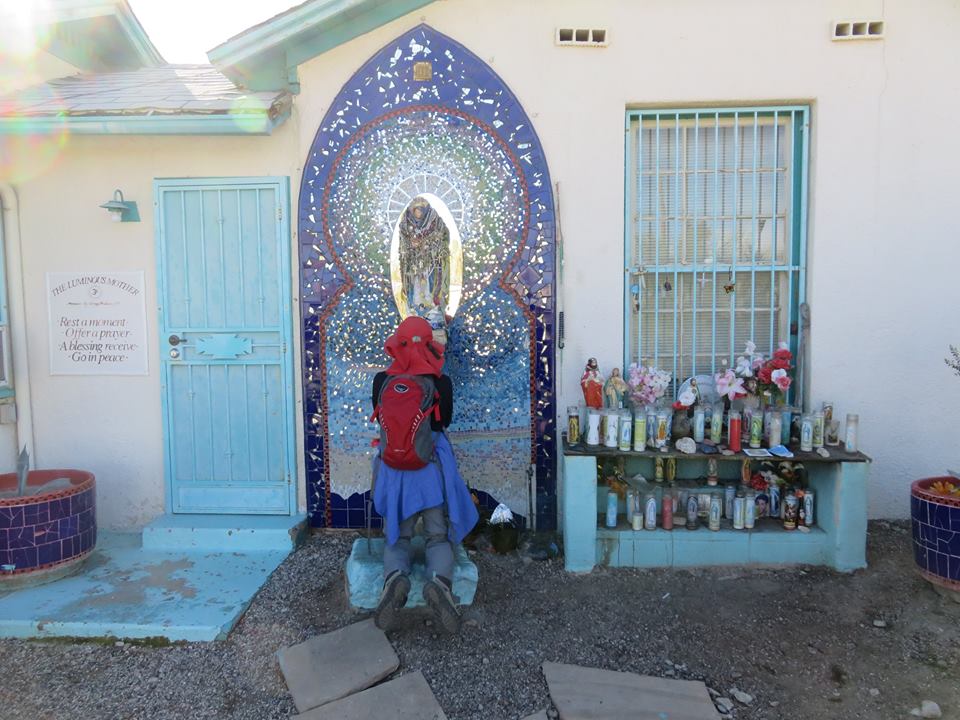
Our Lady of Guadalupe inspires millions of believers, offering a mothering balm of love, peace, and forgiveness through her Blessed Son. Read the legend of the appearance of the Holy Mother on Tepeyac Hill near Mexico City. Her apparition was witnessed by Juan Diego who had gone to the hill at the request of his Bishop to gather roses for the church. The Bishop’s actions were inspired by a request for a sign from the Holy Mother after she asked the Bishop to build a church on the hill. When Juan Diego returned with the roses, an image of the Holy Mother was embedded in his tilga–a garment that has remained without any sign of wear or age for the last 485 years.
Miracles do happen but we never know how or sometimes why. The universe and the Earth herself are imbued with numinous qualities that we intuit but can never “prove”.
Guadalupe Shrine on Tumamoc Hill
In my novel Threshold, Dolores Olivarez is a devout Catholic who recites the Rosary as she hikes the mountain to the top.
At the summit, she looks out over the vast metropolis, and then down at the Birthplace of Tucson at the base of the mountain.
From a place of reverence, Dolores seeks to understand the meaning of her time and place, much as Juan Diego climbed to gather his roses.
Several educators have encouraged me to use sections of Threshold to develop lesson plans for high school students. One elementary teacher will read to her students and plan an activity and discussion around the story. I am very encouraged about this way of extending the story.
Three adolescents from Threshold emerge as strong characters–youth you feel will become leaders. However, each is working out certain personal challenges and social realities. Below are excerpts to give you a window into the layered stories:
Enrique Santos:
Enrique lifted his grandmother, thinking she felt even lighter than last time, like a ghost in his arms. But he felt blood coursing in her legs, and heard the rasping sound in her chest. She was barely able to sit herself on the commode.
In the kitchen he opened the cabinets and refrigerator, surveying what he could scrape together for a snack and what his mother had cooked for dinner. Refried beans and rice, a package of tortillas. He’d hoped for a fresh tomato or onions, but the vegetable bins were empty. It was close to payday for his mother.
“Enrique?” his neighbor’s voice called through the screen door.
Mrs. Carrillo held a hot dish in a towel. “I brought you all some burritos.”
His stomach growled as he opened the screen door to let her in. She heard it and laughed. “Boys are always hungry,” she said with the same grace with which she did most things. She knew what kind of hunger Enrique really experienced.
Enrique thanked her and followed Mrs. Carrillo into the kitchen, where she set the dish on the counter, looking around. She turned to Enrique and said, “Be sure to leave some for your mother, and refrigerate these after you and granny eat, okay?” she touched his arm with affection.
Enrique smiled shyly. Mrs. Carrillo noticed his long eyelashes. Then she eyed his tattoos. His gaze followed hers. He looked up and she said, “Why do you kids ruin your bodies with these marks?”
He shrugged and smiled, “I dunno.”
Luna Lopez:
Luna loved both summer seasons—the hot, dry time from March through June, and the wet, humid season from July to September. Like clockwork, right after the Fourth of July, the rain clouds appeared over the Santa Rita Mountains. Luna anticipated the cold dollops of summer rain, the torrents of water running in the washes, and the scent of the creosote bushes after the storm. She loved to be inside when the giant cloud beings grumbled and heaved their lightning swords onto the earth.
But in this twelfth year of her life, the elders were perceiving a pattern change—a pattern that had governed life on desert lands for thousands of years. The monsoon was late. July stayed dry. Rains came, but they were often more like the other rainy season—the gentle, steady winter rains. The people who gardened in the old ways, letting basins fill with summer storm water, noticed first.
Daniel Flanagan
After they had finished the gray-water system, Daniel excused himself to shower. As the trickle of cool water spattered on his hot skin, he thought about the sudden turn of events in his life. A woman was now in the picture. It was like a bomb had dropped from the sky on the brokered peace he’d managed to create for himself since his mother died. He realized suddenly that his father, as clueless as he could be, might actually be moving on. It was shocking to Daniel. He felt a knot of resentment in his gut. But shouldn’t he be glad? Living with his father this year had been like living with a stone statue. Was it possible a woman had moved his father’s broken heart? He wondered what she was like. What if he didn’t like her?
The art of finding nuggets of wisdom and truth telling in a world of data, false fronts, and confusing messages, has never been more challenging–but worth it.
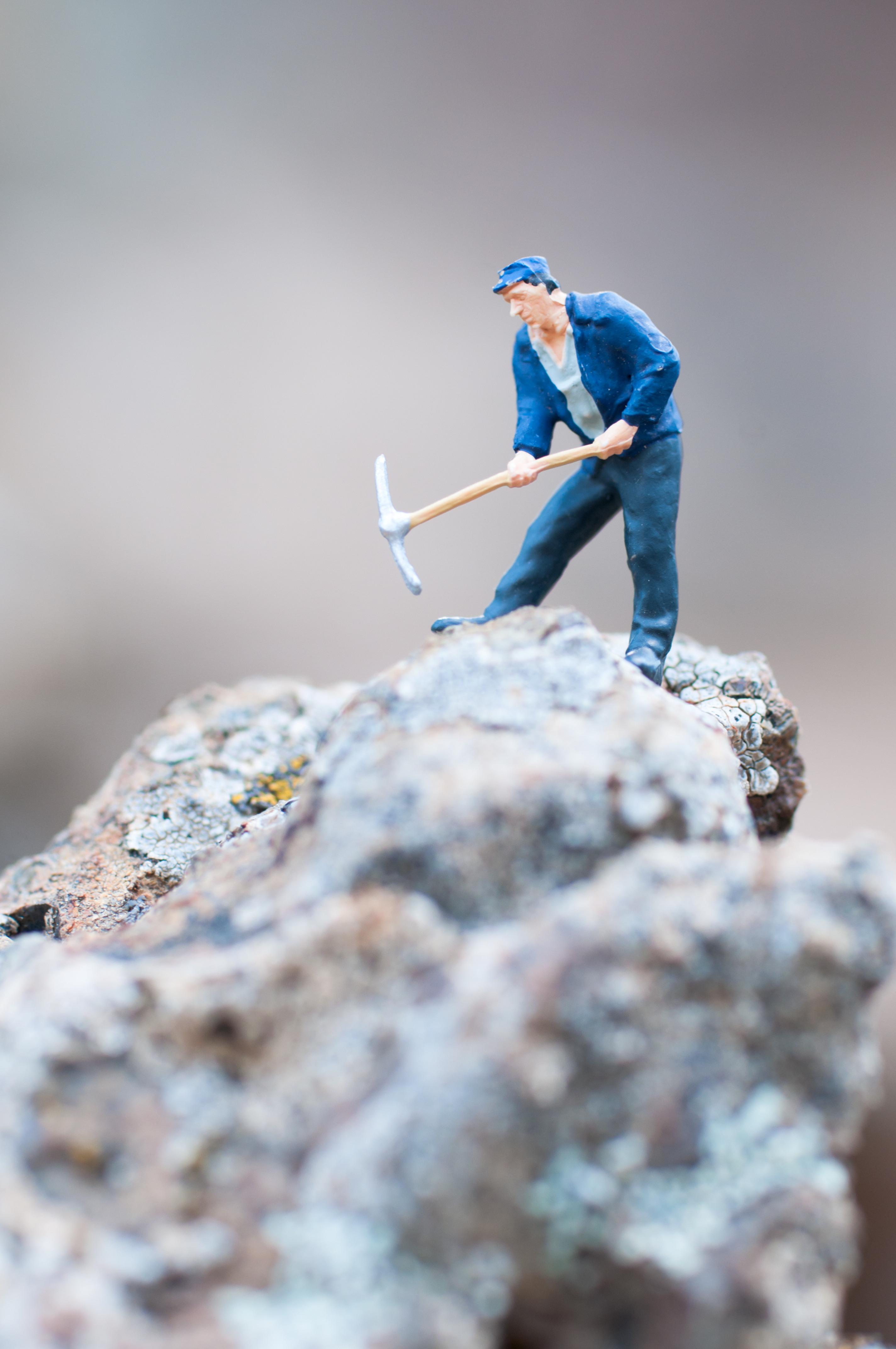
In the blog, Brain Pickings, Maria Popova, is one of the best. I can see her with her “miner’s cap” flooding unlikely places with new illumination. Piles of old books, letters, and memoirs are her digging ground.
Maria, a young social entrepreneur, who looks back to old but wise sources for directions. Then she presents them in exciting new media formats. She is a curator of moral, ethical, and social discourses from which we can continue to pull jewels.
OnBeing.org has rebroadcast an interview with Popova, which is refreshing and inspiring. Check it out when you feel the need for a mental floss!
The last two days in Tucson have me swooning. When rain comes in a typically dry region, it is truly a blessing. The scent of creosote floats low on the ground like a perfumed decongestant, it opens my lungs when I breathe deeply. The sound of winter rain is gentle because these are the slow soaking rains. I lay in bed listening to the drips and little drumming sounds as each precious drop falls to the ground.
Then I dream of the places — streets, homes, and businesses — where rain is being collected for later use. Shining swirled metal on cisterns by homes and shops, landscaping that directs rivulets of blue water into the roots of trees, along garden paths, and to fruiting citrus trees. Lemons, tangerines, kumquat, oranges and grapefruit trees are full now, gaily greeting passersby. On a morning’s walk around the neighborhood, I pick up a lemon that has dropped and rolled to the sidewalk. Fair game?
This is food security, at least part of it, besides enhancing the world in which we live. Collecting rain water is an old, maybe ancient, human art. My grandparents in Tennessee had a huge cistern on their farm. But, here in the desert lands of America that are heating and drying, it is an essential skill. Brad Lancaster, a local Tucson resident, has spent the last two decades of his life teaching himself and others how to harvest rainwater. This coming weekend he is a featured presenter at the Tucson TEDx conference. To learn more go to Brad’s website. I highly recommend his books. He is one of many many Tucson Treasures. Videos by Brad
Climate change is real, advancing, and draining the world’s resources country by country–and causing tragic migrations of families across the earth in search of places where people will take them in. This is just the beginning of woes should the world’s leaders not act decisively to stem carbon dioxide emissions.
The spectacle of our times is awesome and terrifying. Anticipating the ascension of a world leader who denigrates science and promises to focus America’s interests inward, world leaders at the latest global summit to implement the Paris Climate Change Accord have already moved on without us. China quickly stepped in to realize the benefits of leading other countries toward a fossil free world community.
P.S. America: the green economy is leading in economic sectors as our new leadership prepares to dig more coal and suck more oil out of the ground.
Have we entered into a new paradigm of Selective Science? We believe in science when it comes to curing disease, or making weapons, or making us money. But, selectively we denigrate the agencies charged with studying and protecting the earth–the planet from which our lifeblood flows. Does that make sense, I ask you?
How would Americans feel if the world’s leading countries imposed trade restrictions on us for our irresponsible behavior? Tables turned? How would it feel to be the cause of suffering across the planet due to our lack of participation in reducing emissions? I hear a refrain, from another misled politician: Burn Baby, Burn. That will come back to haunt the source and us if we do not realize our responsibility to greater humanity and to our children and generations to come.
Americans must be vigilant like in no other time before in our history. We must oppose any policies that destroy the democracy and tear asunder our fragile international relations. We must recognize our responsibility to continue to be an integral member of the international community–especially now.
 This video of an interview with Rebecca Solnit, columnist with Harper’s Magazine, prolific author on climate change, environmental issues, and other culturally relevant issues, is a clear point for those of us who feel disoriented by the sweeping changes being made in D.C.

 At the historic Empire Ranch, I listened for the voices of families, ranch hands, and cowboys lingering in the old structures of the house, cottages, corral, and barn.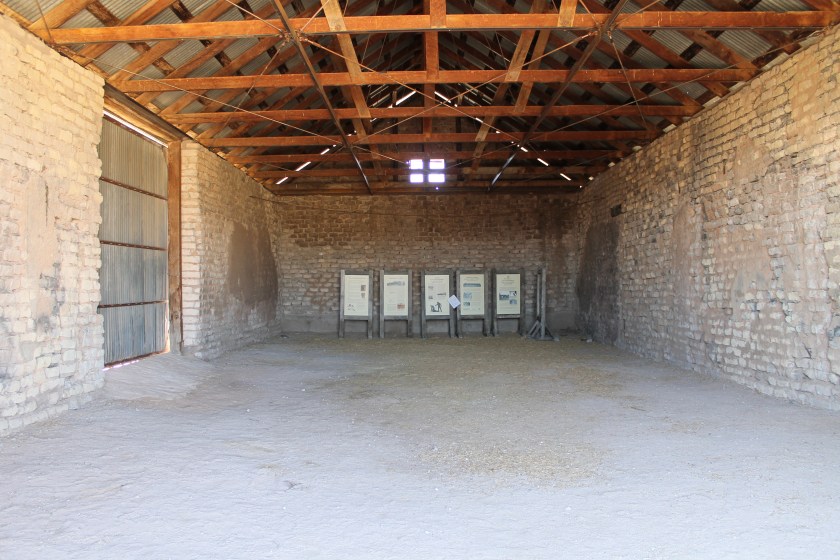

 Wandering the paths into a cottonwood gallery, I felt spirits walking next to me. A time gone but with lingering energies, whispering to us modern day visitors.

 Its called CARBON FARMING. See this article from Modern Farmer,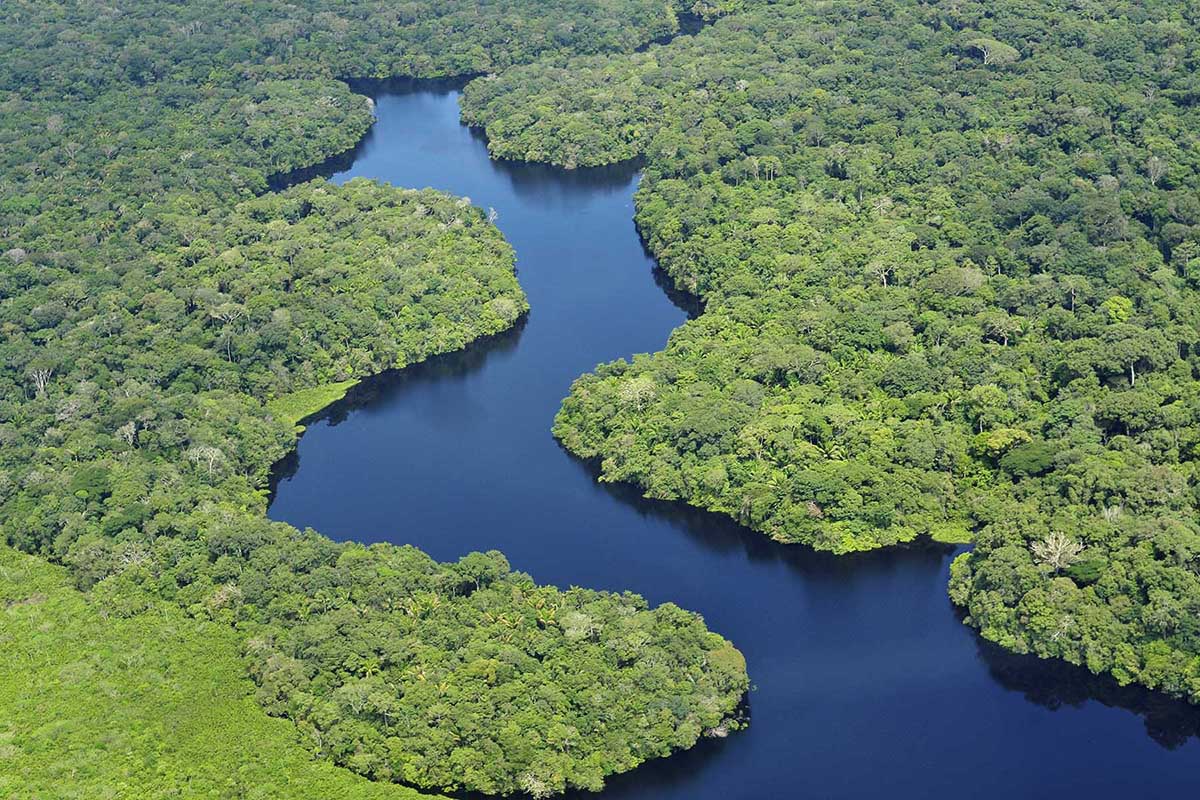





 Susan Feathers