Living Dangerously

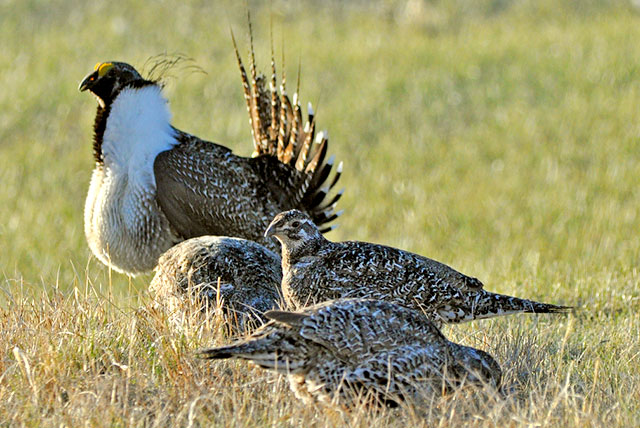
Fish and Wildlife Photo: www.fws.gov
Fish and Wildlife Photo: http://www.fws.gov

“We are living dangerously by not being able to change in a time of climate change.” ~ Terry Tempest Williams

To the Best of Our Knowledge broadcast an interview with Terry Tempest Williams. Here she talks about researching and writing her soon to be released book (The Hour of Land) on the history of our public parks, in this the centennial year of the founding of the National Parks.

Here is the interview.

For a look at how Terry relates to our public lands and actualizes her beliefs, here is a short interview with her on Democracy Now where she describes buying more than 1700 acres of public lands in a rather private sale of public land for oil leasing where an acre costs about a $1.50 for the right to drill and keep the profits. She is redefining “energy” in how she intends to explore these public lands. This is a very enlightening and motivating example of what one person can do to stop the destruction of critical, sacred habitat.

http://www.democracynow.org/2016/2/18/keep_it_in_the_ground_author

Have we traded for something of lesser value?

Little handsIs an education replete of nature literacy of lesser value than an education which incorporates values and skills that enable a person to live responsibly within nature?

Reflecting on meeting a woman who held a doctoral degree, but who admitted that she was unaware of the annual migration of cranes in her own state, Aldo Leopold questioned whether modern education has “traded for something of lesser value”. He said this in the context of being aware, of paying attention to the goings and comings of wildlife and seasons, and by that, knowing fundamentally where you live and how to live there without destroying it.

David Orr goes further by asking What is Education For?

This is not an argument for ignorance but rather a statement that the worth of education must now be measured against the standards of decency and human survival-the issues now looming so large before us in the twenty-first century. It is not education, but education of a certain kind, that will save us.

Orr points out in this essay that its educated people who are most destructive to the Earth and ecosystems. What went wrong?

What do you think? Should education ensure that all American students will graduate knowing their place within the natural world, and understanding the responsibilities therein? Would you consider that kind of education basic literacy? Higher education? Why or why not?

Other Interesting Reading Along These Lines:

Richard Louv: The Nature Principle

What 20th Century Nature Study Can Teach Us

Pinterest: Nature Journals

Capitol Polemic

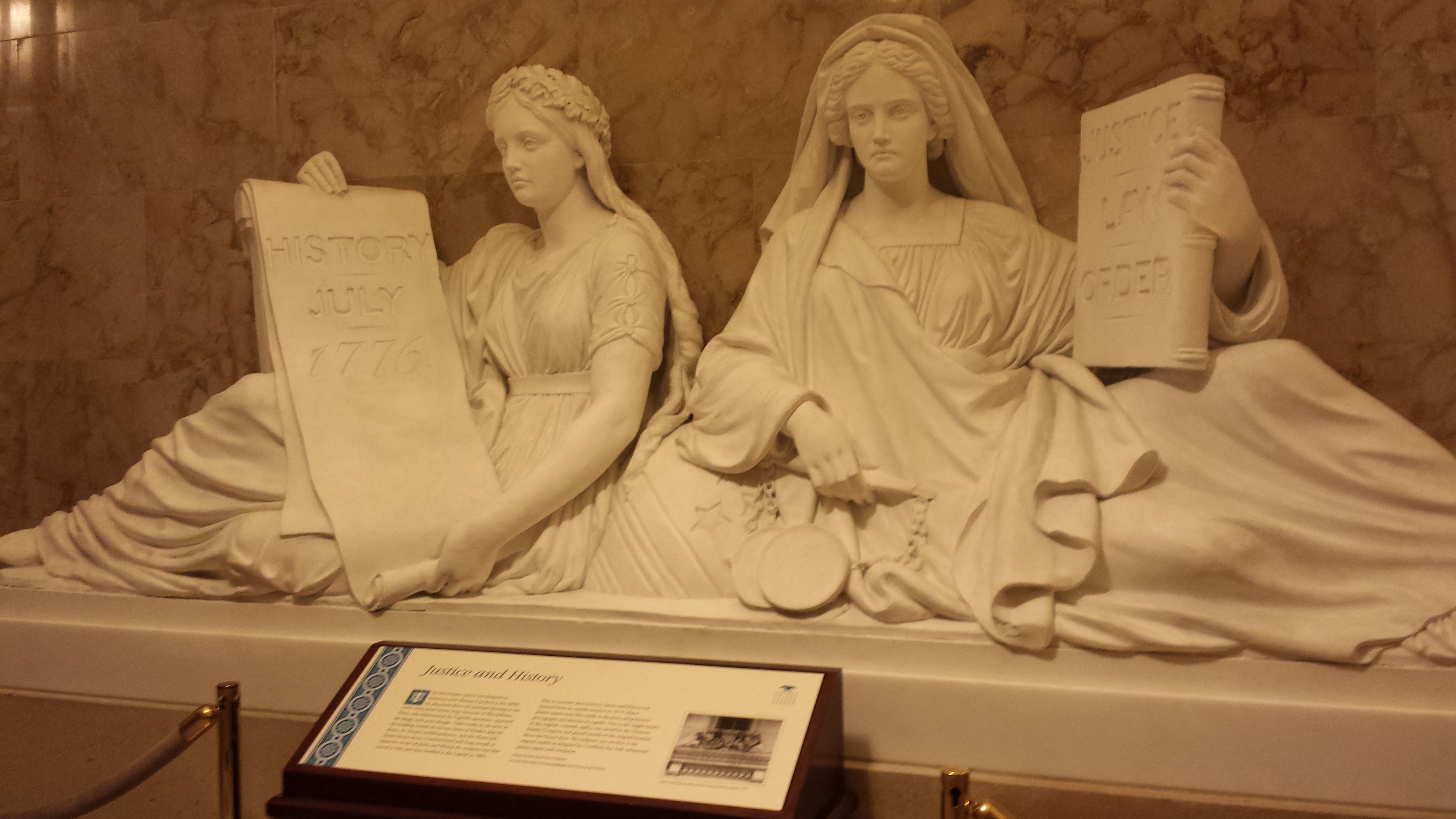
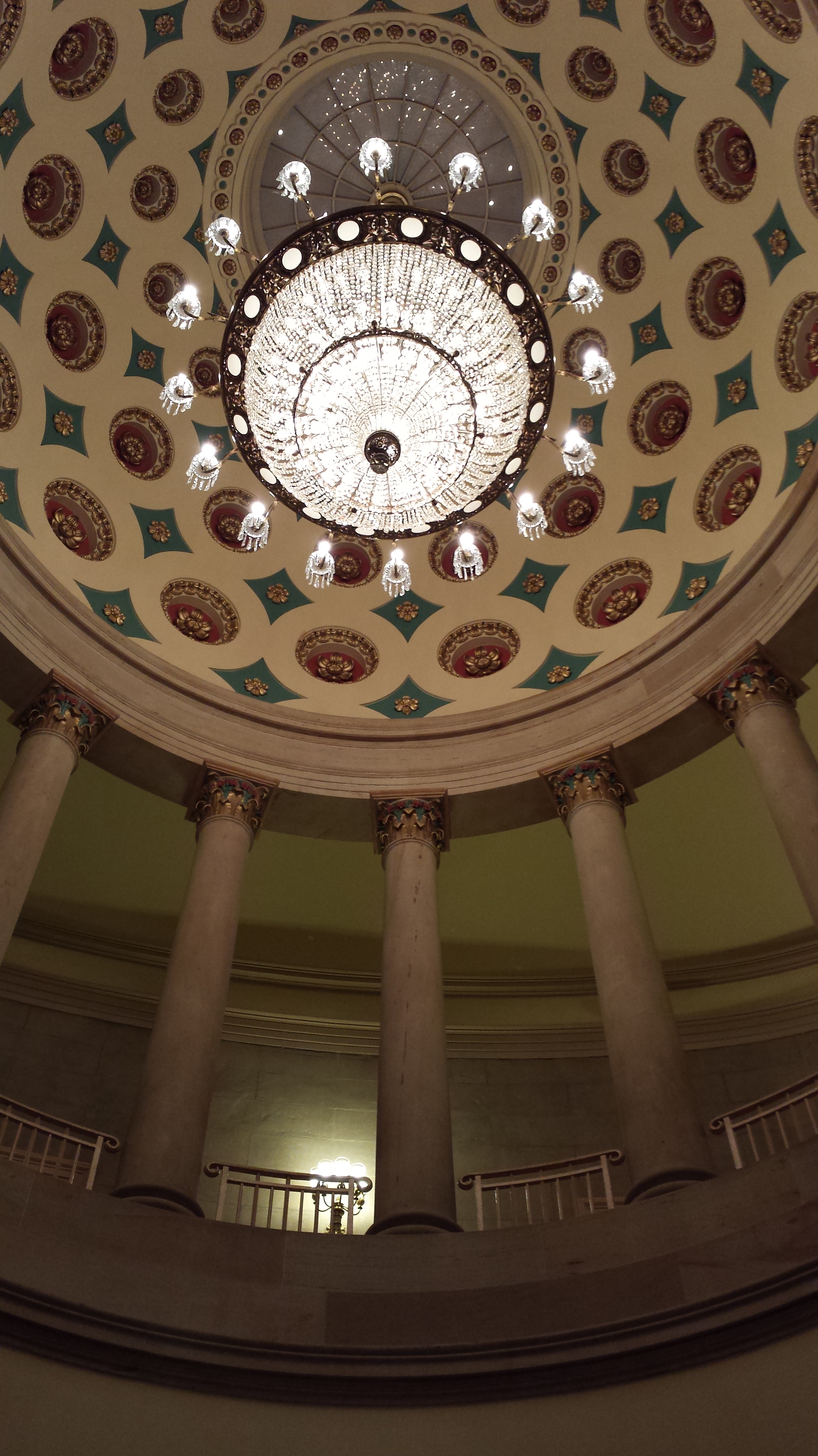
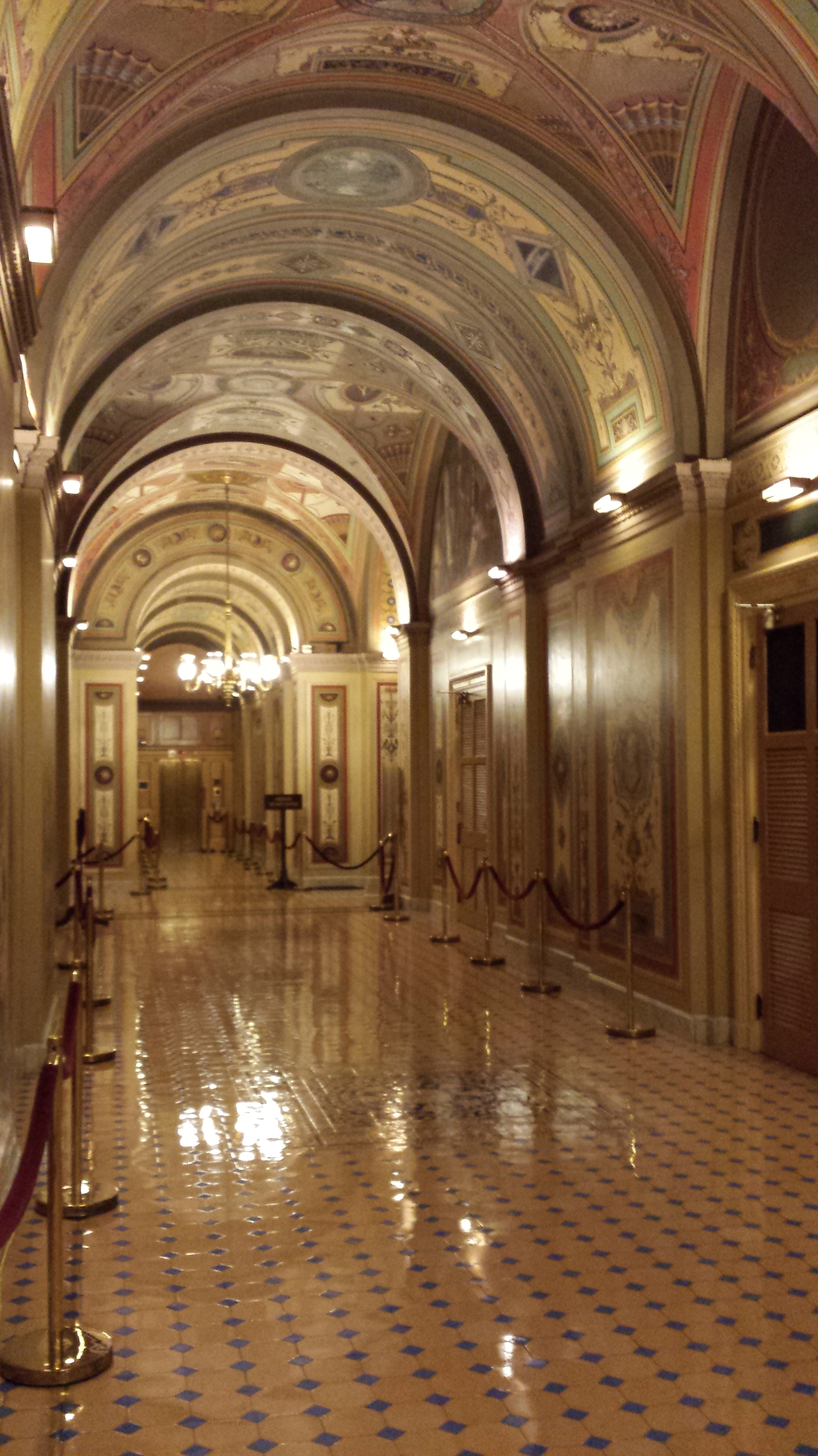
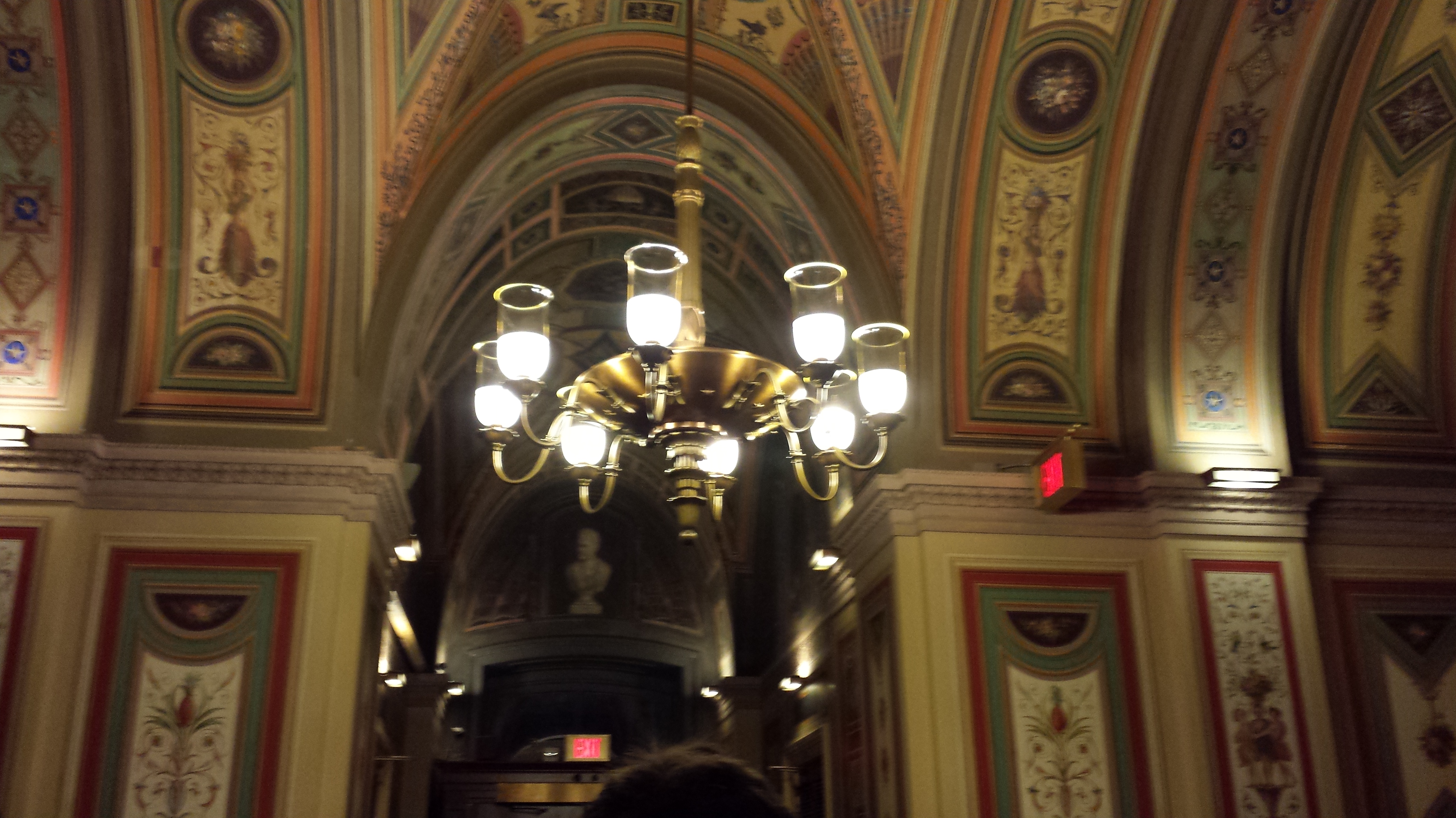
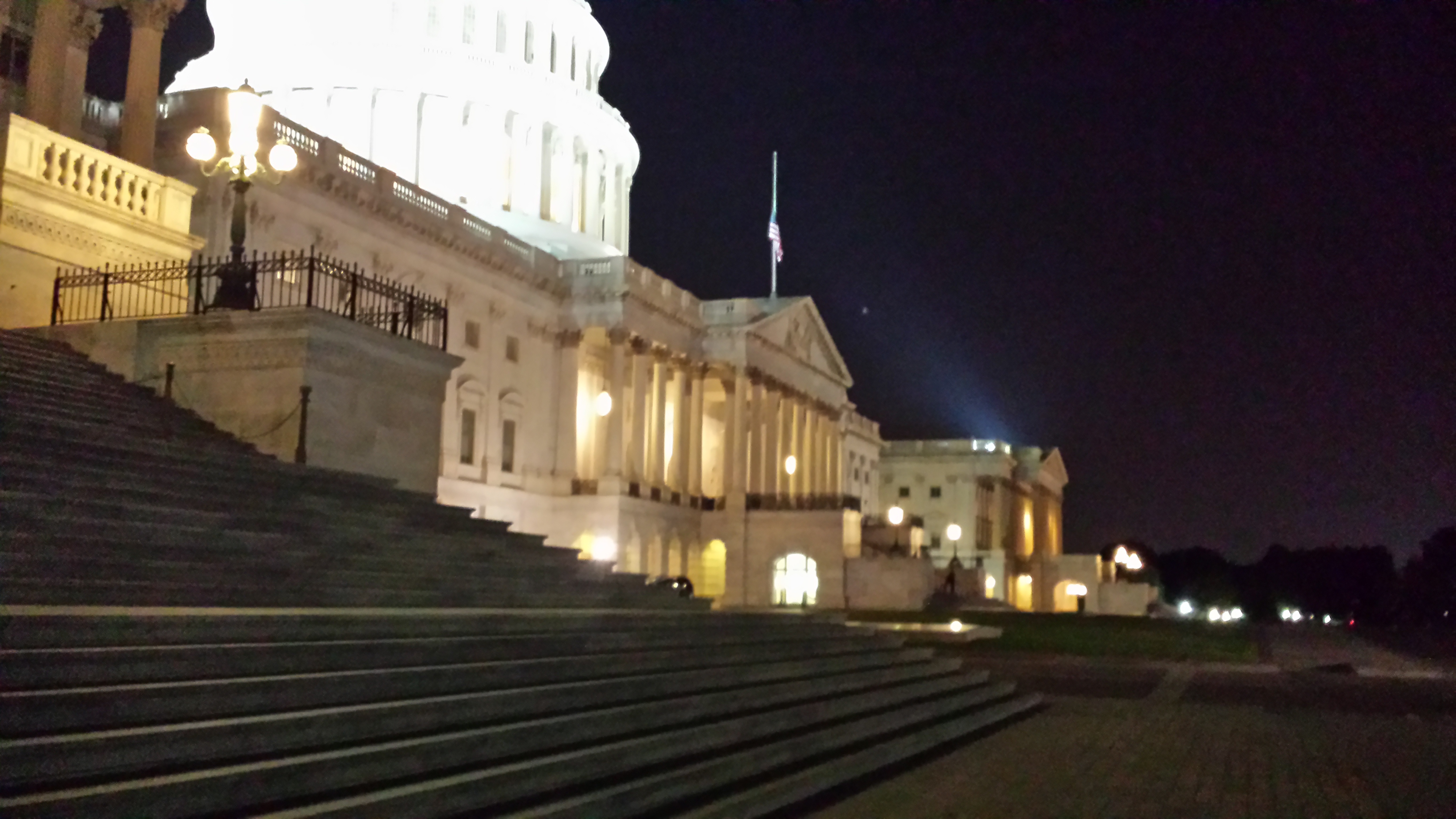
Staircase Detail Up to DomeHistory and JusticeFreedomCapitol Bldg RotundaHouse Chambers Hall to House of RepsCapital Bldg Daytime19th Century Handpainted Ceiling_House at CapitalDuring a trip to Washington D.C. Congressman John Mica offered to take our group on a special evening tour of the Capitol Building. He is a real history buff and with 21 years serving in the House of Representatives he has a few good stories…

These photos taken with my smartphone speak for themselves. The quality of workmanship and art in the architecture, paintings and sculpture makes my proud of my government. Washington D. C. has long been my personal inspiration.

The workshop I attended was a special session of Florida State Public Universities. We met with representatives from Department of Defense and major uniform services, and then with staffers from Democratic and Republican representatives with the Florida delegation.

Given the acrimony and loss of the traditions of discussion and respect for disparate viewpoints, many Junior Conservative representatives have never experienced what staffers described as the Regular Order of legislation. They all expressed dismay with ongoing sequestration, little hope of a bipartisan spending bill, and the general loss of appreciation for the 200-year-old process of compromise to pass bills that work for the America Public.

Capitol Nightime

Religion’s Role in Caring for the Earth

Religious groups are exploring their role in curbing climate change. One of the Land Ethic Books Clubs that I am facilitating in my community, the Lathram Chapel United Methodist Church in Barrineau Park, FL, is looking deeply into the scriptural directions for caring for the earth.

The Guardian the British news publication and winner of the 2014 Pulitzer Prize for public service is focusing on climate change. The Greatest Story in the World, a podcast on climate change is part of the current efforts to start deeper discussions about institutional and individual roles in solving climate change. This is Episode 9, Religion. Here is the link. 

Faith groups have huge followings and have adopted climate change as a cause for decades. What can the Guardian learn from religion? Can the paper use the language of sacrifice when it doesn’t have the same offer of salvation?

We strongly recommend that you listen to the series from the beginning.

Related resources
Neil Thorns – How will the world react to the Pope’s encyclical on climate change

Suzanne Goldenberg – Climate change denial is immoral says the head of the episcopal church

Damian Carrington – Church of England wields its influence in fight against climate change

~ Guardian Podcast, Episode 9

Warming Ocean Surface Temps…

Comparing today’s temps to the temperature I blogged about in 2009 – a quarter century ago.

Ocean heat content has increased from 1971 to 2018 by 0.396 [0.329 to 0.463, likely range] yottajoules and will likely increase until 2100 by two to four times that amount under SSP1-2.6 and four to eight times that amount under SSP5-8.5. The long time scale also implies that the amount of deep-ocean warming will only become scenario-dependent after about 2040 (medium confidence), and that the warming is irreversible over centuries to millennia (very high confidence). 

IPCC

A yottajoule is 1024 joules. A joule is “the heat required to raise the temperature of water from 0 degrees Celsius to 1 degree, or from 32 degrees Fahrenheit to 33.8.”

From the Environmental News Service

ASHEVILLE, North Carolina, July 21, 2009 (ENS) – The world’s ocean surface temperature in June rose to its warmest since 1880, breaking the previous high mark set in 2005, according to a preliminary analysis by NOAA’s National Climatic Data Center in Asheville.

The combined average global land and ocean surface temperature for June was second-warmest since global recordkeeping began.

The combined global land and ocean surface temperature for June 2009 was the second warmest on record, behind 2005, 1.12 degrees Fahrenheit (0.62 degree C) above the 20th century average of 59.9 degrees F (15.5 degrees C).

Read More